Public service workers say strike action is possible if new pay deals aren’t reached within six weeks

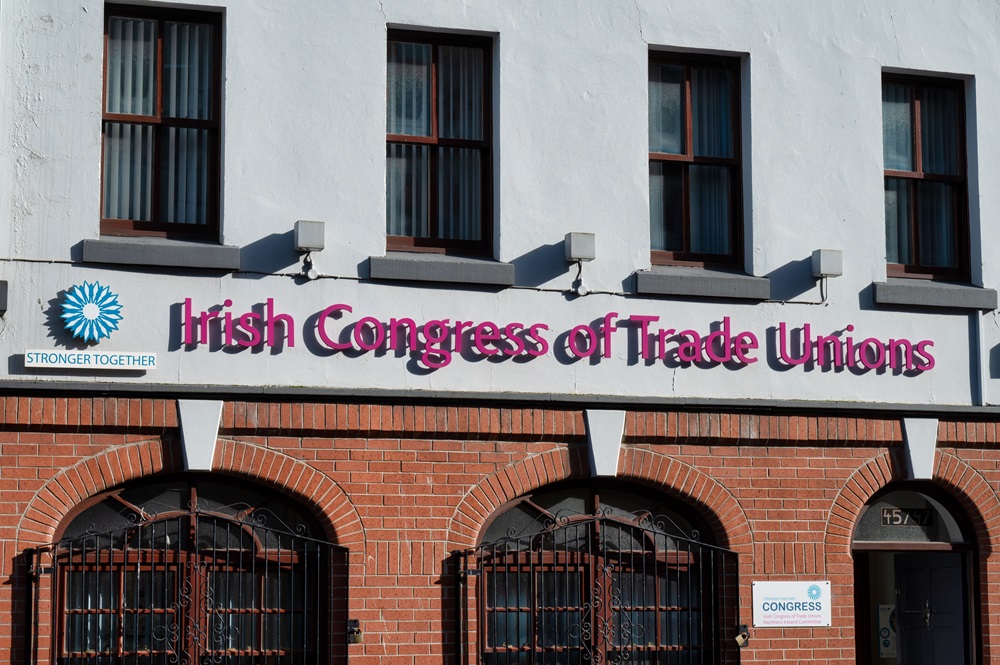
Owen Reidy, General Secretary of the Irish Congress of Trade Unions (ICTU), has cautioned that strike action may become unavoidable if the Government fails to respond to workers’ concerns about the rising cost of living. His comments followed a high-level meeting between Government officials, union representatives, and employer groups to address mounting financial pressures on households.
The meeting took place within the framework of the Labour Employer Economic Forum (LEEF), chaired by the Taoiseach and attended by several senior ministers, including those responsible for public expenditure, enterprise, and climate and energy. Representatives from ICTU and employer body Ibec also participated in the discussions.
Reidy indicated that further engagements with the Government are planned over the coming weeks, with the aim of agreeing on practical measures to support workers within a four- to six-week timeframe. However, he warned that failure to act decisively could lead to industrial unrest. He stressed that organised labour is seeking policies that will safeguard incomes and protect families from the ongoing financial strain. According to Reidy, the relative industrial stability experienced over the past decade may have been taken for granted, and there is growing frustration among workers.
ICTU had requested the meeting specifically to highlight the impact of rising prices, particularly the surge in fuel costs, which has placed significant pressure on workers. This comes at a critical time, as the current public sector pay agreement is due to expire at the end of June, with new negotiations expected shortly. The union has already argued that the Government’s ability to allocate €500 million toward a fuel support package weakens any case for wage restraint in upcoming pay talks.
Minister for Enterprise Peter Burke defended the Government’s approach, stating that the fuel support measures are designed to benefit workers directly. He explained that around 70% of the package relates to reductions in excise duties, carbon tax, and the National Oil Reserves Agency levy, which impact fuel prices for the majority of workers. The remaining 30% is aimed at reducing costs in the supply chain, helping to keep grocery prices more stable.
Burke also highlighted the broader uncertainty facing the economy, pointing to geopolitical factors affecting global energy markets. He warned that continued disruptions could lead to further increases in energy prices, potentially exceeding 30%, with serious implications for households and businesses alike.
Following the meeting, Minister for Public Expenditure Jack Chambers announced the creation of a new Labour and Economic Resilience Forum. This initiative aims to maintain dialogue between unions, employers, and the Government, with the goal of preserving stability while addressing economic challenges. Chambers emphasised that existing measures, such as fuel-related tax reductions and expanded fuel allowances, are intended to support workers, particularly those on lower incomes.
Meanwhile, union leaders continue to raise concerns. ICTU President Phil Ní Sheaghdha has drawn attention to the burden of fuel costs on healthcare workers, while SIPTU has signalled its readiness to back members in pay negotiations, including supporting industrial action if necessary to protect living standards.
