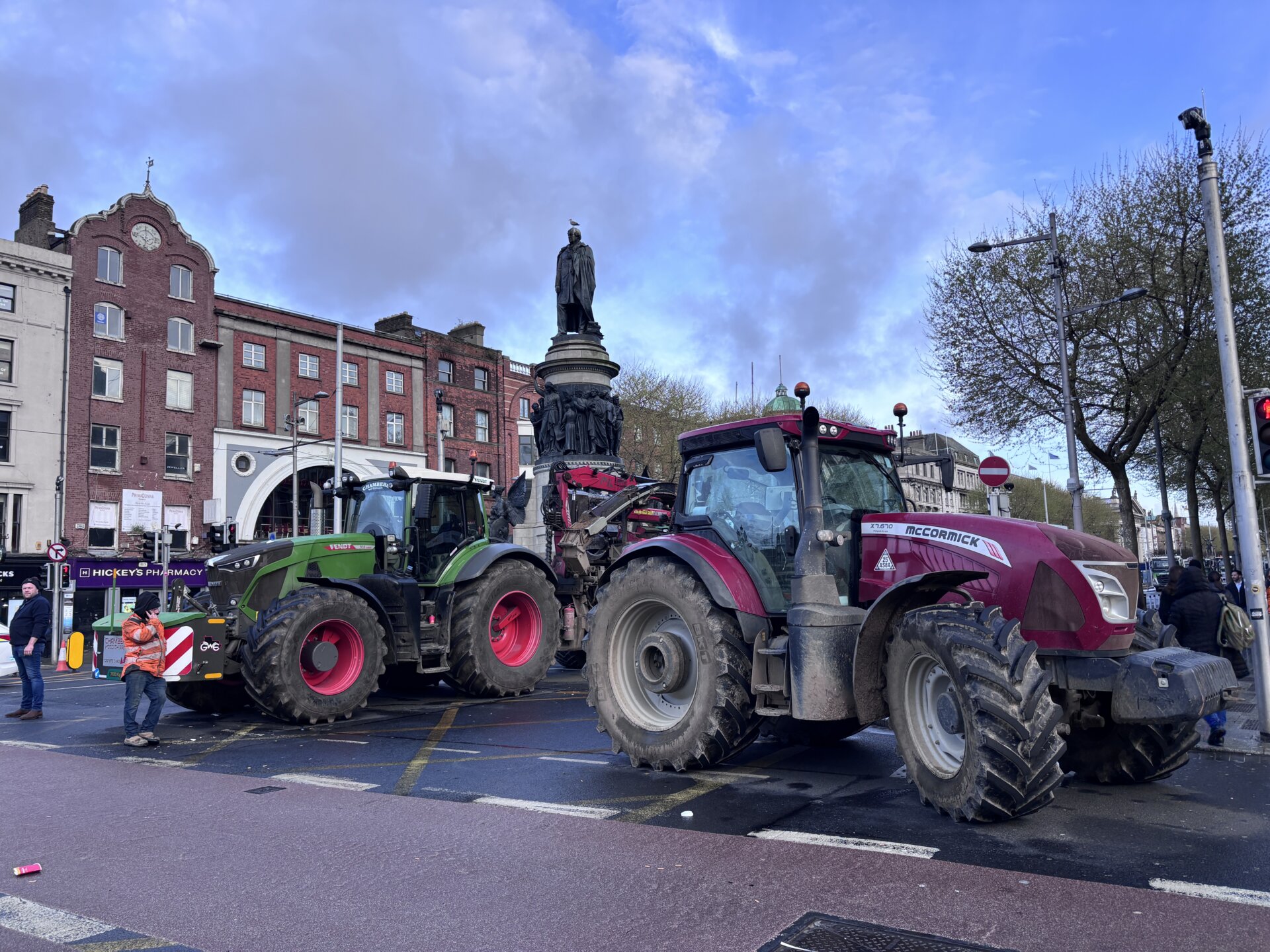

Fuel blockades that brought large parts of the country to a standstill for nearly a week have now been lifted, with Dublin returning to near-normal conditions as the Government rolls out a €500 million support package aimed at easing the pressure on households and key sectors.
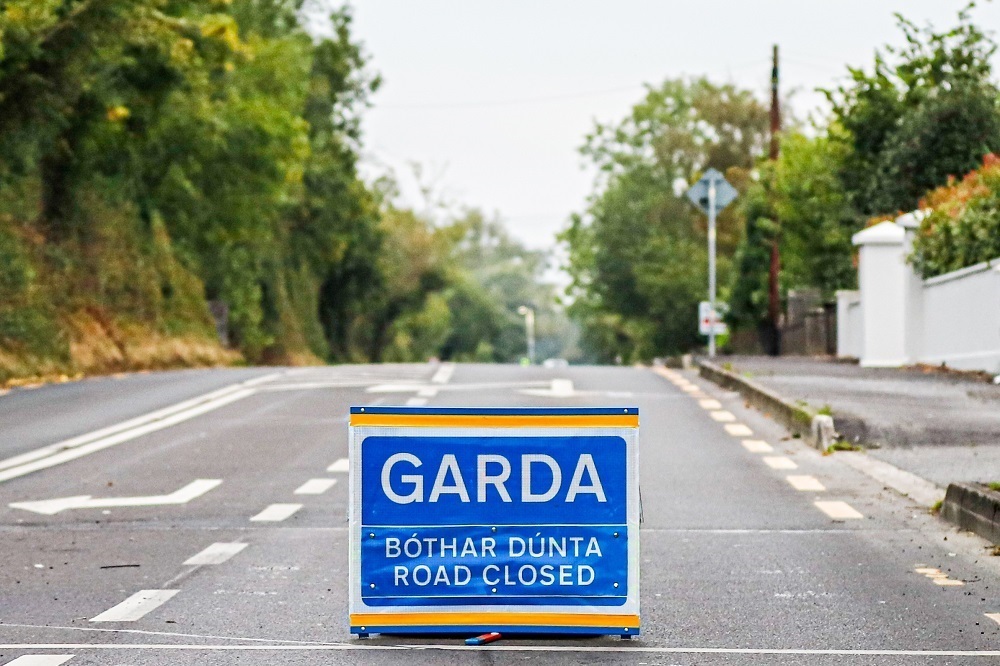
In the capital, O’Connell Street has fully reopened following a major Garda operation overnight, marking a significant turning point after six days of disruption. Public transport has largely resumed, with Dublin Bus services back from 4am, while both Luas Red and Green lines are operating as normal, though some minor diversions remain in place in the city centre.
For commuters across Dublin and the surrounding counties, the situation is improving but not yet fully resolved.
While the main blockades have ended, residual traffic delays continue on key routes at time of publication (13 April 2026, 9am).
Both the Gren and Red Luas lines are back up and running, while most Dublin Bus routes have resumed their regular schedules and routes.
Stretches of the M50 southbound, the N7 near Rathcoole, and the N81 through West Wicklow are still impacted by slow-moving convoys.
Crucially, while fuel is beginning to flow again, many petrol stations remain dry or only partially stocked, with industry representatives warning it could take up to a week — or even 10 days — for supply to fully stabilise.
Deliveries have resumed from Dublin Port, which accounts for around half of the country’s fuel imports, but logistical delays and staggered loads mean shortages may persist in the short term.
The easing of restrictions has also allowed a broader return to normal life in the capital, with public transport capacity restored ahead of the return to work and school following the Easter break, a key concern for commuters over the past number of days.
The developments come as the Government confirmed a €500 million-plus package of measures designed to respond to the crisis.
The plan includes a further 10 cent cut in excise duty on petrol and diesel until the end of July, alongside a 2.4 cent reduction in green diesel aimed at supporting the agricultural sector.
In addition, direct financial supports will be provided to hauliers, bus operators, farmers and those in the fisheries sector, all of whom were heavily involved in the protests and have been among the hardest hit by rising fuel costs.
The Government has also delayed planned increases to carbon tax until October, in a move intended to ease immediate pressure on consumers.
Ministers have defended the scale of the intervention, describing the overall response as one of the most significant in Europe on a per capita basis, and insisting that further supports may follow as the situation evolves.
However, despite the lifting of blockades, uncertainty remains around future protests. Some organisers have said the action has only been paused rather than ended, warning that demonstrations could resume if further concessions are not secured.
While disruption across the rest of the country is easing — with blockades lifted at key infrastructure sites including ports and fuel depots — rolling protests and traffic delays are still being reported in parts of the national road network. However, these are no longer on the scale seen earlier in the week.
For now, the focus in Dublin has shifted from disruption to recovery, as fuel supplies are gradually replenished, transport services stabilise, and the city returns to normal operation after one of the most significant protest actions in recent years.