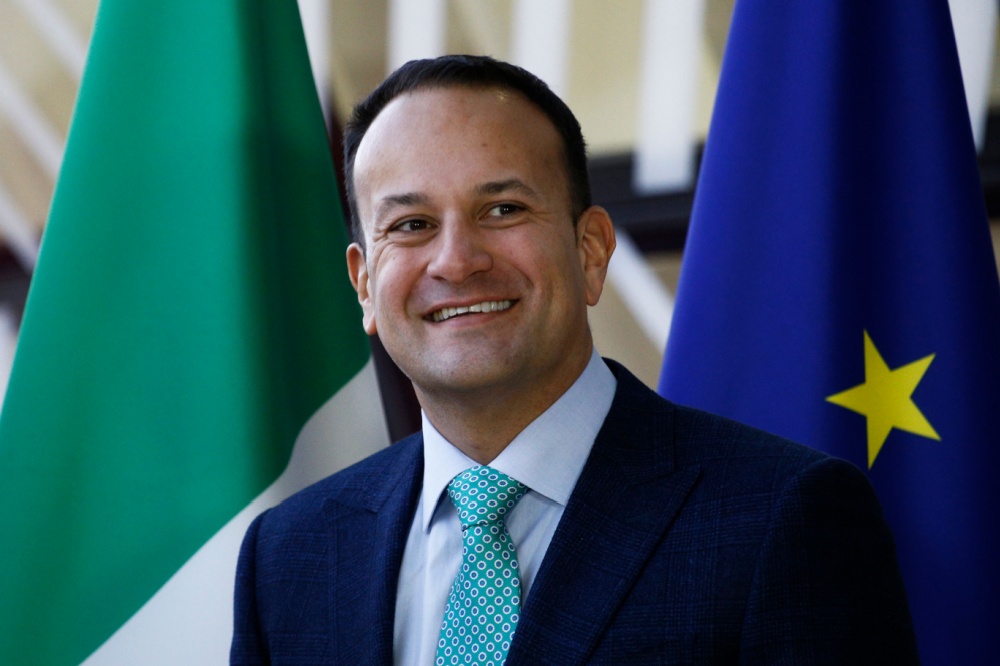

Leo Varadkar has apologised following his recent comments regarding the gap between rural and urban Ireland, admitting that he "went too far".
The former Taoiseach who made these comments while appearing on the podcast, Path to Power with Matt Cooper, has admitted that he "did not mean to annoy anyone".
During his appearance on the podcast, Varadkar spoke about the nationwide protests over fuel costs by tractor and lorry drivers, where he said that rural Ireland is subsidised by the urban economy, and “very quick to tell people in urban Ireland that ‘we are the real workers, we’re the ones paying the bills, we’re the ones feeding the country".
Varadkar who stepped away from politics two years ago, continued: “I think we maybe need to be a little bit more blunt in urban Ireland and say, ‘Actually, that is not the case. We’re the ones paying all the bills. You’re the ones in receipt of a lot of subsidies and a lot of tax benefits that other people don’t get’.
However on reflection, Varadkar now has admitted that he "went too far" with his comments.
“I apologise to anyone I offended. I genuinely did not mean to annoy anyone", the former Fine Gael leader told the Irish Independent on Wednesday. “I accept that I overstated my case and went too far on certain points".
While still insisting that that urban economies produce most of the country's wealth, Mr Varadkar has acknowledged that his initial remarks were loose and slightly exaggerated.
Varadkar's comments caused huge controversy and heaped more pressure on Fine Gael, a party which is traditionally quite strong in rural areas. They have also led to strong push back, including from many rural and independent politicians and Independent Ireland, as well as from within the party itself.
Fine Gael leader Simon Harris said on this: “We need to stop defining people by their geography".
“And we need to recognise that there are people in urban Ireland, people in rural Ireland, who work their backside off, and they want Government to help where we can, and they want Government to get out of the way where they can", he added. “We don’t need to divide. We don’t need to categorise people or stereotype people".