
More than half a million Irish motorists currently have active penalty points on their licences, with speeding remaining the country's most common driving offence, according to new analysis of RSA and CSO data.
The figures, analysed by insurance experts at Quote Devil across all 26 counties, also highlight the risks of everyday driving offences, including using a mobile phone behind the wheel and failing to wear a seatbelt.
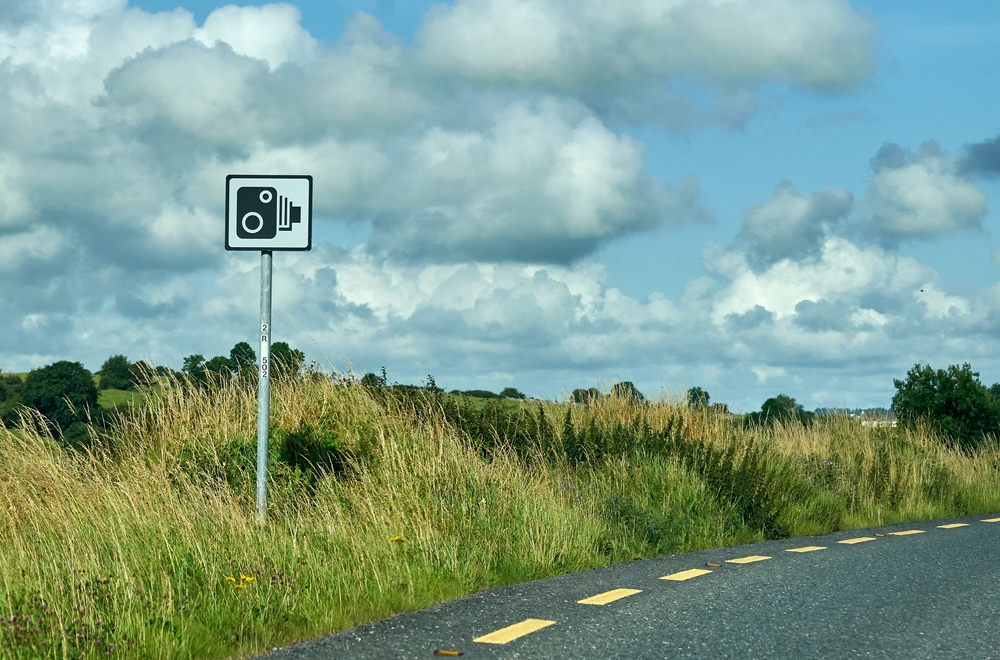
Speeding remains the most frequent motoring violation nationwide, while mobile phone use is the second most common offence. Drivers caught using their phones behind the wheel face three penalty points and a €120 fine.
The analysis also found that nearly 10,000 penalty points have been issued for adult seatbelt violations.
Motorists who accumulate 12 penalty points within a rolling three-year period face an automatic six-month driving disqualification.
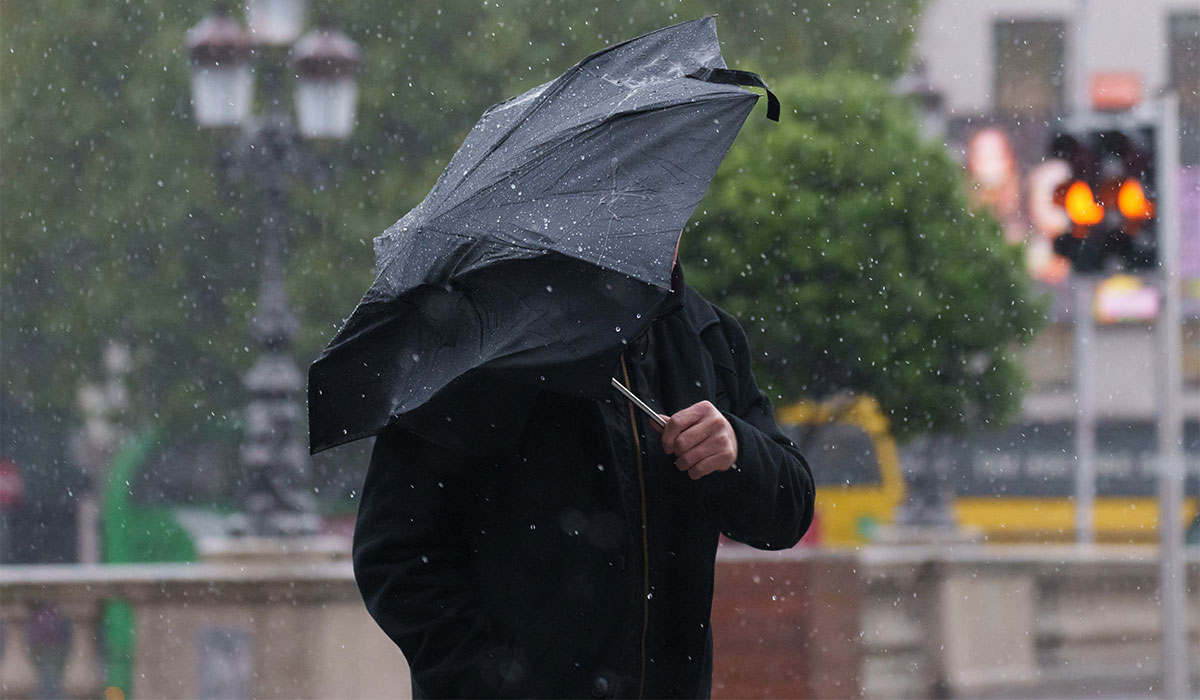
The findings come as motorists are being urged to take extra care on the roads ahead of winter, with darker mornings, heavy rainfall and icy conditions making driving more hazardous.
Ian O'Reilly, Director of Sales and Insurance at Quote Devil, said many motorists may underestimate how quickly penalty points can accumulate through everyday offences.
“Many motorists are unaware of how quickly penalty points can accumulate from everyday offences like minor speeding or mobile phone use. Having active penalty points or a motoring conviction can make finding affordable car insurance challenging, as many standard providers penalise point-holders heavily.”
The county-by-county analysis found that Wexford had the highest proportion of licensed drivers with active penalty points, at 21.4%, followed by Carlow at 19.3% and Waterford at 17.8%.
View this post on Instagram
With road deaths continuing to be a serious concern, Radio Nova is putting its platform behind a nationwide road safety initiative aimed at improving awareness and helping people stay safer on Irish roads.
The station is joining 20 other independent radio stations in the campaign, which will see broadcasters create and air their own road safety content over the coming year.
Together, the 21 stations will broadcast more than 1,200 pieces of content, including more than 100 documentary and discussion programmes and around 1,100 shorter feature episodes.
For Radio Nova, the programming will include practical road safety information, expert interviews and real-life experiences, with content developed specifically for its audience across Dublin and the surrounding counties.
The campaign will also feature first-hand accounts from people who attend road collisions and support those affected, alongside information and analysis from An Garda Síochána, the Road Safety Authority and local authorities.
Radio Nova will also highlight the experiences of people directly affected by road collisions, helping bring home the consequences of dangerous driving and the importance of making responsible choices on every journey.
The project is supported by the News Reporting Scheme, which helps fund public interest journalism through Coimisiún na Meán and the Exchequer.
Listeners can find Radio Nova's road safety features and programmes on the station's website.