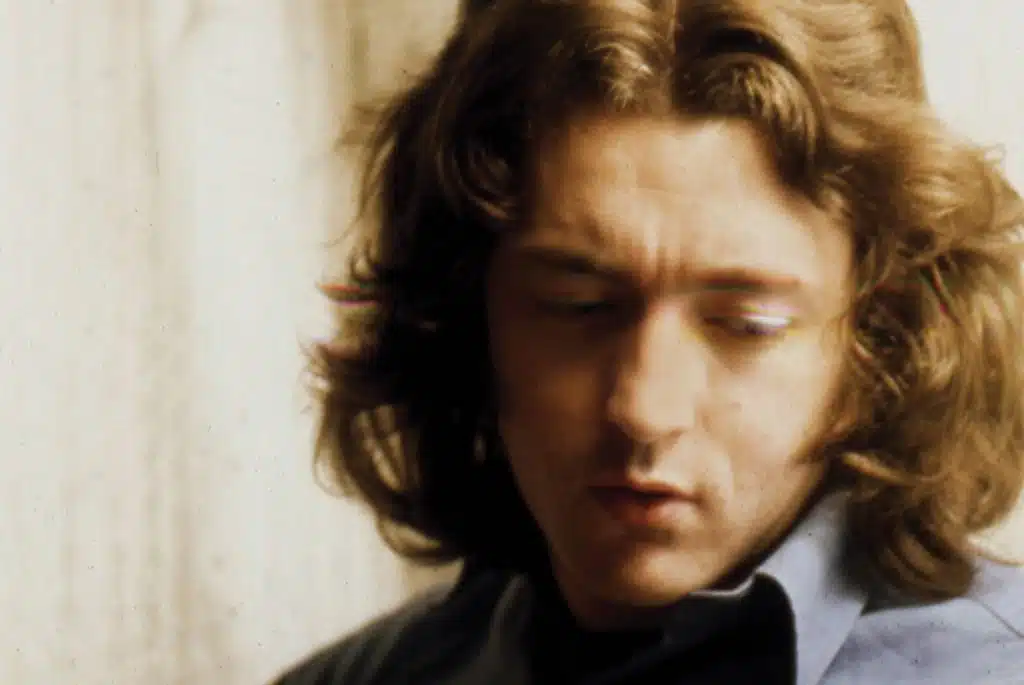

“The police car rolled down a nearby slipway into the river.” Of all the footnotes that could possibly be attached to one of the most significant tours in rock history, this one says it all: chaos, camaraderie, and utterly uncompromised artistry. Rory Gallagher’s Irish Tour ’74 wasn’t just a career high. It was a masterclass in musical purity — delivered in denim, powered by Guinness, and conducted in defiance of literal bombs.
By 1974, Gallagher had already opted out of the industry’s pretensions. No singles. No entourage. No private jets. No PR gloss. And crucially, no interest in stardom. As Gary Moore put it: “He wouldn’t sell himself out.” Gallagher was the anti-icon — so principled it was borderline self-sabotaging, and yet it only added to his magnetism.
Gerry McAvoy, his longtime bassist, called it “very close to the best tour we ever did.” And he's not wrong. It wasn’t just Rory at his peak; it was the band firing on all cylinders, “like a well-oiled machine,” in Donal Gallagher’s words. No outside management. No compromise. Just music — loud, loose, and in direct opposition to the polished, PR-sanitised rock circus that was already taking shape.
The gigs? Transcendent. The crowd in Belfast? Starved of live shows due to The Troubles, they gave Rory the kind of welcome normally reserved for returning war heroes. And yet he never acted like one. Never milked it. Never politicised it. “All I want you to do, Tony,” he told documentary director Tony Palmer, “is film the band.”
Naturally, Palmer didn’t listen — and the resulting tensions were just one element of a tour full of them. Mobile recording trucks delayed by political violence. Sessions interrupted. And an infamous jam with The Dubliners, sabotaged by Rory’s refusal to allow lights: the music had to be real, or not at all.
By the time they hit Cork, the tour’s endgame resembled a controlled explosion. The ‘after hours’ tracks were literally recorded after the audience left. The party that followed? So unhinged that one guest mistook a police car for a taxi, got in, ranted into the radio, and somehow sent it rolling into a river. The kind of story that would sound apocryphal, were it not so absurdly on-brand.
Rory’s legacy wasn’t built on myth. It was built on a steadfast refusal to play the game. He liked a drink, yes, but detested drugs. He died at 47 — too young, and from complications related to prescribed medication, not rock’n’roll excess. And yet what endures is a body of work that feels timeless, not dated.
Donal Gallagher later said: “Thank God it was done.” He wasn’t talking about Rory’s life. He meant the film. The album. The proof. Irish Tour ’74 wasn’t polished. It wasn’t perfect. But it was honest. And it captured Rory Gallagher as he really was: no myth, no mask, no bullshit.