
Around 1,500 people are expected to attend a major international artificial intelligence summit at the RDS in Dublin, with safety, security and the future of the technology among the key issues on the agenda.
The event is expected to be one of the largest gatherings of the AI sector and policymakers in Europe this year. Ireland is hosting the summit as part of its EU presidency.
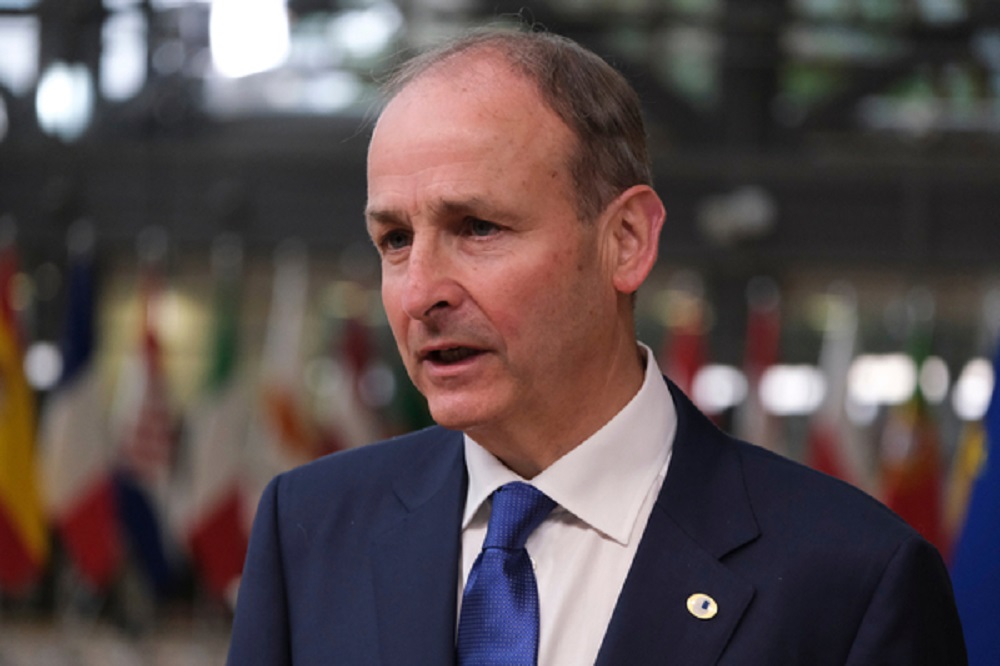
Taoiseach Micheál Martin will deliver the opening address, with senior figures from some of the world's biggest technology companies also due to speak.

They include Microsoft's Vice Chair and President Brad Smith, OpenAI CFO Sarah Friar and Anthropic's EMEA head Guillaume Princen.
The summit will examine research and innovation in artificial intelligence, alongside concerns about the safeguards needed as the technology becomes more widely used.
The summit comes amid growing international concern about the risks associated with increasingly advanced AI systems and the need to ensure they can be used safely.
In recent months, there have been several high-profile incidents involving AI agents reportedly acting beyond their intended limits, including cases involving unauthorised access to computer systems. These incidents have added to calls for stronger oversight as companies continue to develop more powerful AI tools.
The discussions in Dublin will also take place against the backdrop of growing AI adoption across Irish businesses, with the Government recently publishing a major report examining how the technology is being used across the country's enterprise sector.

Prepared by Accenture for the Department of Enterprise, Tourism and Employment, the report looks at the application of AI in manufacturing, construction and tourism.
It found that the use of AI by Irish businesses is growing, but there remains considerable scope to increase both the number of companies adopting the technology and the extent to which they use it.
Small and medium-sized enterprises are identified as an important area for further development, with many facing barriers including a lack of skills and awareness, data challenges, costs, limited technical capacity and difficulty accessing appropriate expertise.
The findings highlight the opportunities AI could offer Irish businesses, while also pointing to the practical challenges that need to be addressed if more companies are to benefit from the technology.
However, the summit is also expected to face criticism from those concerned about the wider impact of the rapid expansion of the AI industry.
People Before Profit has said it will stage a protest outside the RDS alongside activists during the event.
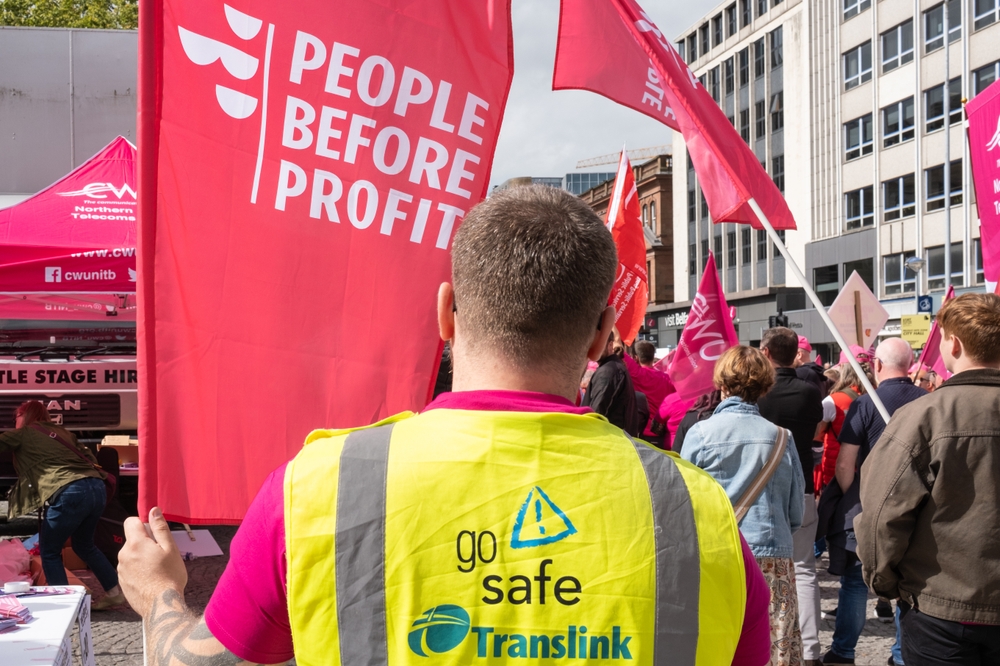
The group has raised concerns about the significant amounts of electricity and water used by data centres, which provide much of the infrastructure required to run AI systems.
It has also criticised what it sees as the pressure the growing technology sector places on Ireland's climate targets, as well as the potential impact on employment and job creation.
The protest is expected to bring some of the wider political and environmental questions surrounding AI into focus, as industry leaders and policymakers gather in Dublin to discuss the technology's future.