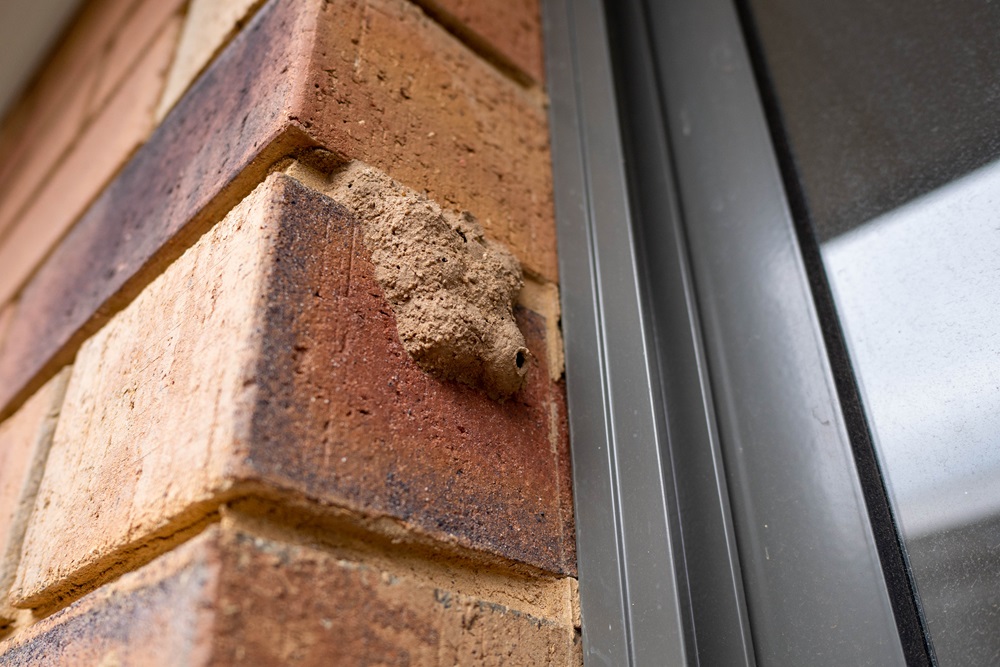
As spring cleaning season gets underway across Ireland, homeowners are being encouraged to stay alert for early signs of wasp activity. Pest control experts at Rentokil have issued guidance highlighting that queen wasps are now emerging from winter hibernation and beginning their search for suitable nesting sites.
The arrival of milder temperatures in early spring marks the start of the wasp lifecycle. After lying dormant through the colder months, fertilised queen wasps become active and begin scouting for sheltered, undisturbed spaces to establish new colonies. Common nesting locations include lofts, sheds, wall cavities, roof spaces and garden structures that are not regularly used.
According to Rentokil, cluttered environments provide ideal conditions for nesting. Areas filled with stored items, cardboard boxes or unused equipment can offer protection and concealment, making them attractive to wasps and other pests. As a result, a thorough spring clean can play a key role in reducing the risk of infestations later in the year.
Colm Moore, Regional Technical Manager at Rentokil, explained that this time of year presents an important opportunity for prevention. He noted that queen wasps are actively searching for secure places to build nests, and spaces that are rarely disturbed are particularly appealing. By clearing out clutter and checking storage areas, homeowners can significantly reduce the number of potential nesting sites.
Moore also emphasised the importance of early detection. Spotting small nests at the beginning of the season can prevent them from developing into larger colonies during the summer months, when wasp activity typically peaks.
To minimise the risk, homeowners are advised to inspect sheds, lofts and garages for signs of early nest formation, particularly in corners and roof spaces. Removing unnecessary clutter and avoiding the storage of items in dense piles can help eliminate hiding spots. Sealing cracks or gaps around walls, rooflines and window frames is also recommended to prevent wasps from gaining access.
In addition, keeping outdoor bins securely closed and maintaining tidy waste areas can reduce the likelihood of attracting wasps with food sources. Regular checks of garden furniture, play equipment and other outdoor structures can further help identify any developing nests.
With a proactive approach during spring cleaning, households can reduce the chances of wasps becoming a problem later in the year.