
The notorious Lucky Dip gang has now spawned at least seven copycat groups involving more than 100 young people, the Irish Independent reports.
The groups are understood to have developed from the original Lucky Dip network, which was described by gardaí around 18 months ago as a “single, but very fluid” joyriding and burglary gang.
However, sources now say the problem has grown significantly, with separate groups of young people copying the gang's tactics and using social media to share videos of their crimes.
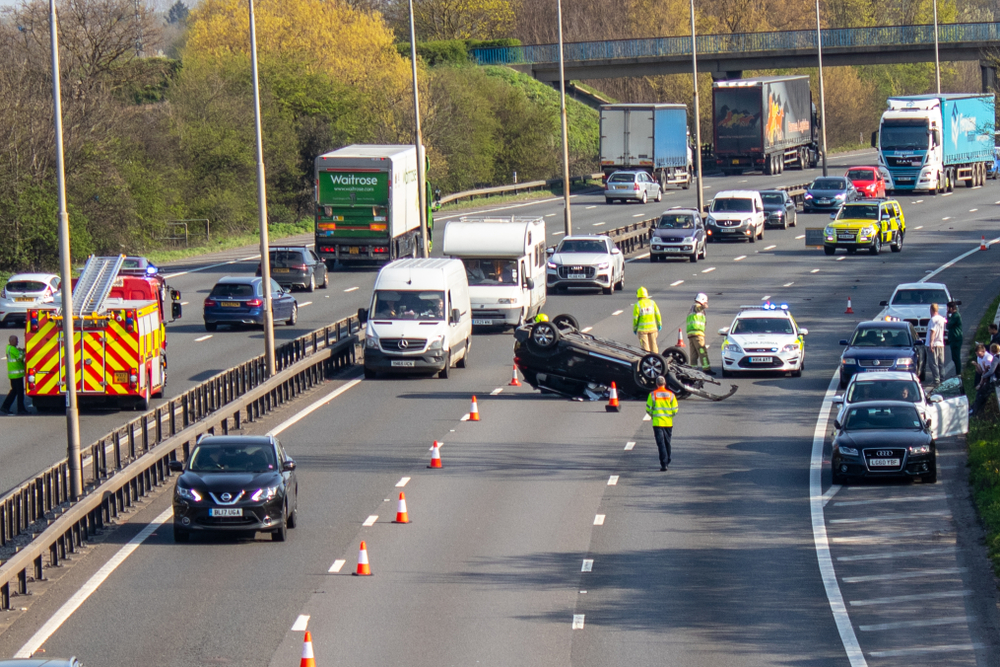
The issue has been brought back into the spotlight following a number of serious incidents on Irish roads in recent days, including the devastating crash on the M9 motorway which claimed the lives of five young men.
Kamil Pustkowski, 17, Joey Carthy, 15, Jack Kennedy, 17, Alex McCarthy, 17, and driver Jeremy O’Brien, 18, all died after the BMW they were travelling in collided head-on with a family travelling in the opposite direction.
The family, including three sisters and a seven-year-old boy, were seriously injured in the crash.
Pustkowski was understood to have been linked to the Lucky Dip network and was well known to gardaí.
He had been facing a number of charges relating to offences including being a passenger in stolen vehicles and was subject to bail conditions which meant he was not supposed to leave Limerick.
Sources have now warned that the behaviour associated with the Lucky Dip gang has spread far beyond the original group.
The Irish Independent's publication reports that “at least seven copycat gangs” of young people are now believed to be active.
One source said social media, particularly TikTok, has played a major role in the growth of the groups.
“As has always been the case, they use social media, particularly TikTok, to promote their crimes, which is really causing an epidemic of car thefts,” the source said.
“But what is increasingly happening is that they are competing against each other to see who can post the most outrageous or dangerous videos.”
The source warned that the behaviour is making roads “incredibly dangerous”, particularly during the early hours of the morning, while also creating significant difficulties for gardaí.
“This is not an organised crime gang in any kind of traditional sense,” they said.
The copycat groups are understood to operate across both the north and south sides of Dublin, with reported links to areas including Ballyfermot, Tallaght, Clondalkin, Finglas, Ballymun and the south inner city.
The groups can disappear for periods before reappearing in another stolen vehicle, according to sources.
“They are then unaccounted for until they show up again – stealing cars and driving in the most reckless of ways,” one source said.
“They are either released by the Children’s Court again or from Garda custody on a juvenile diversion scheme, and the entire cycle starts again.”
The Lucky Dip phenomenon is not new.
Last year, a teenage gang from Waterford was reported to have adopted similar tactics, carrying out a crime spree across Kilkenny and Laois while posting videos of their activities online.
The original Lucky Dip network had also grown rapidly in recent years.
Around two years ago, it was estimated that just over a dozen associates were linked to the gang, which was led by a young Ballyfermot criminal who is now 19 and currently behind bars.
By March last year, the number of known members had increased to more than 70 young people suspected of carrying out hundreds of burglaries and car thefts across Leinster.
Garda management subsequently decided that the issue was no longer simply a south-west Dublin problem.
Officers from the National Crime and Security Intelligence Unit compiled a detailed dossier on the network, while specialist officers carried out a crime pattern analysis to help local Garda units tackle the growing problem.
At the time, suspected gang members were linked to areas including Tallaght, Ballyfermot, Dundrum, Clondalkin, Ballymun, Finglas, the south inner city and Crumlin.
The youngest classified gang members were just 14, while the average age was around 17.
Sources now believe the average age has fallen further as the original gang has splintered into smaller groups.
The groups are not necessarily connected to one another, but are understood to be copying the same tactics, particularly the theft of vehicles, dangerous driving and sharing footage of their exploits online.
The dangers were highlighted again last weekend when a 13-year-old boy was seriously injured after being involved in a collision involving a stolen car travelling on the wrong side of the M50.
He was one of eight juveniles travelling in the vehicle, with five understood to be from the Clondalkin area.
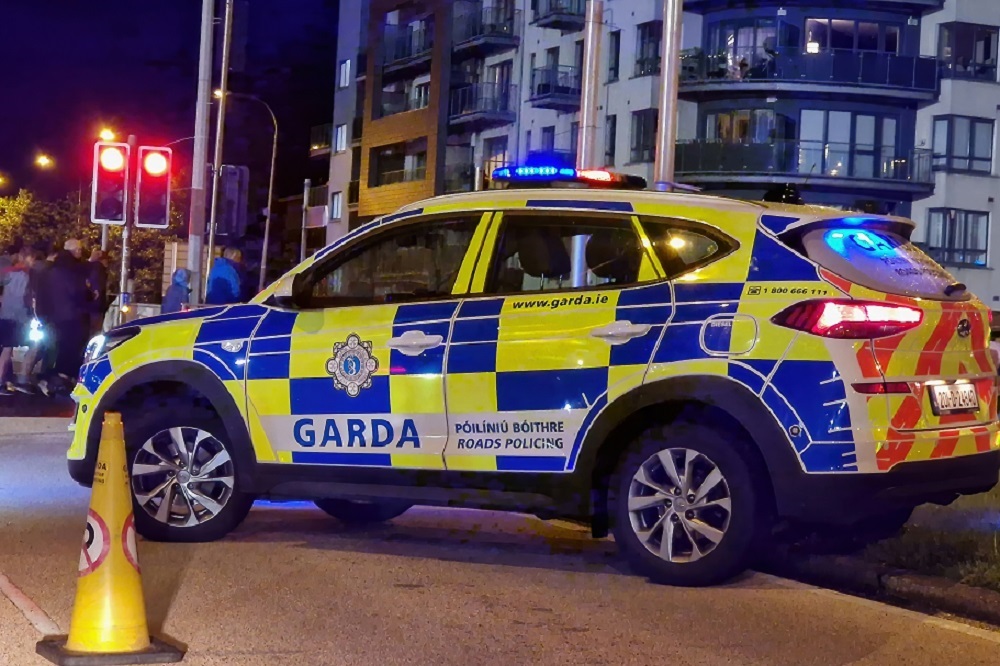
Another serious incident occurred in north Dublin last week when a stolen Audi A6 was allegedly driven recklessly through northside suburbs before colliding with a Garda patrol car in Finglas.
Two young gardaí, a male and female officer, required hospital treatment following the crash.
The female officer had reportedly only recently graduated from Templemore Garda College and had been working as a Garda for just a few days.
The repeated incidents have also raised questions about how gardaí can safely pursue suspected offenders who drive stolen vehicles at extreme speeds or travel the wrong way along motorways.
Gardaí are regularly instructed to abandon pursuits when the risk to the public becomes too great.
Justice Minister Jim O’Callaghan has said he is considering the creation of a new criminal offence for motorists who deliberately drive the wrong way on a motorway.
Speaking on Monday, he described the behaviour as effectively using a vehicle “as a weapon”.
“That is using a vehicle as a weapon, and it is a lethal form of behaviour that, as we saw over the weekend, results in deaths and serious injuries,” he said.
“But the responsibility primarily rests on the people involved in that behaviour.
“They’ve got to stop it, because we saw what happens to the people involved in that behaviour. You’ll end up in jail, or you’ll end up in a grave.”