
Around 400,000 public service workers are expected to take part in a nationwide strike today.
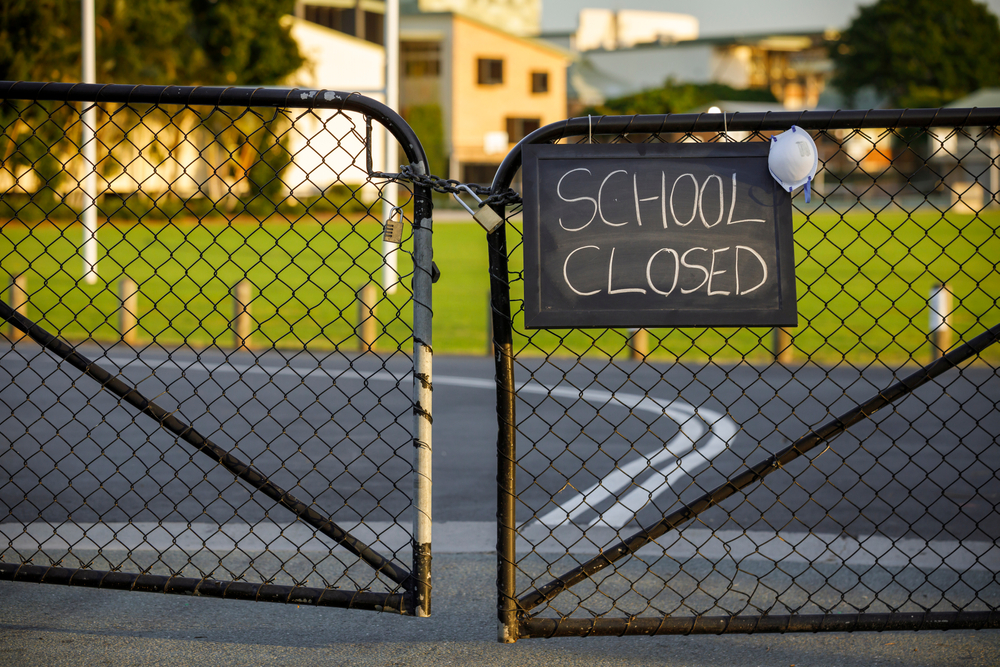
Disruption are expected across Government departments. Some schools have closed, while a number of non-urgent healthcare appointments have been cancelled.
The industrial action follows a breakdown in negotiations between the Government and unions over a new public sector pay deal, with the previous Public Service Agreement 2024-2026 having expired in June.
While the strike is expected to affect a wide range of services, not every public sector worker is taking part, and arrangements have been made to keep some essential services running.
Here is a breakdown of which sectors are affected and what the public can expect.
Schools and education
Primary and secondary schools are closed as teachers and special needs assistants take part in the industrial action.
College lecturers are also among those striking, meaning disruption is expected across further and higher education.
Government departments and local authorities
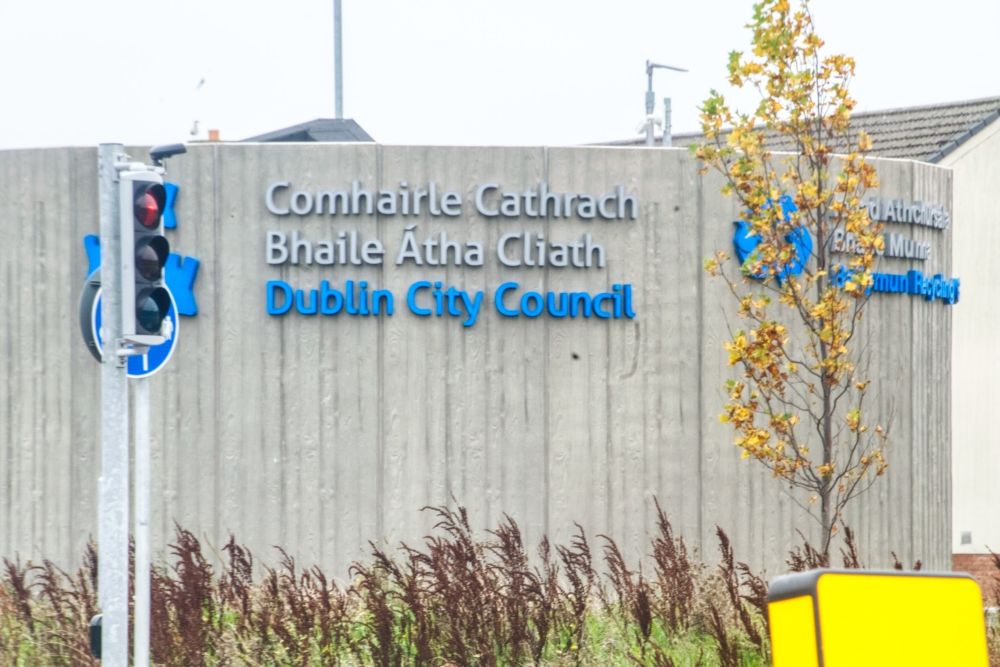
Administrative staff across Government departments and State agencies are taking part in the strike, alongside local authority workers.
This means many routine administrative services will be unavailable or disrupted throughout the day.
Healthcare
Healthcare is one of the sectors facing significant disruption, with non-urgent appointments and services cancelled.
Nurses and midwives represented by the Irish Nurses and Midwives Organisation are among those striking, alongside mental health and intellectual disability nurses represented by the Psychiatric Nurses Association.
View this post on Instagram
Doctors represented by the Irish Medical Organisation, including consultants and public and community health doctors, are also participating. HSE dentists represented by the Irish Dental Association are taking part.
However, not all healthcare services will stop.
Emergency departments and other critical, time-sensitive services, including urgent cancer treatment and dialysis, will continue to operate. Ambulance services will run on a reduced basis.
GPs, out-of-hours GP services and pharmacies will remain available, while members of the Irish Hospital Consultants Association are not taking part in the strike.
Ambulance services and fire brigades
National Ambulance Service workers represented by Siptu are among those taking industrial action, with ambulance services operating on a curtailed basis.
Siptu has also said that fire brigades will operate with a reduced service.
Prisons and An Garda Síochána
Prison officers are expected to mount pickets outside individual prisons, but essential prison operations will continue.
Gardaí are not striking, although civilian employees of An Garda Síochána will picket outside Garda Headquarters.
Dublin Port
Workers represented by Fórsa from Revenue, the Department of Agriculture and the HSE who are based at Dublin Port will be picketing outside the port.
However, the port itself is expected to remain open and operational.
A spokesperson said it “remains fully operational and contingency arrangements are in place to manage traffic and minimise disruption”.
Social welfare payments and postal services
The Department of Social Protection has confirmed that social welfare payments will not be affected by the strike.
An Post workers are also not participating in the industrial action. However, the Communication Workers’ Union has advised its members in the technology, postal and telecommunications sectors not to cross picket lines.
Why are workers striking?
The strike is the result of an ongoing dispute over public sector pay, with unions and the Government unable to agree on a new deal since the previous agreement expired in June.
Budget 2027 allocated €1.2 billion towards a new agreement, but unions want pay increases that outpace inflation, which is currently running at 4.1%.
Union sources have told The Journal that, although different unions have different expectations, the minimum increase they would accept is 5%. They have described the Government's budget offering as an “insult”.
Minister for Public Expenditure Jack Chambers said last night that pay could be the starting point for negotiations.
Fórsa General Secretary Kevin Callinan welcomed the comments but questioned whether the strike could have been avoided if the minister had engaged with unions sooner.
The Government has invited unions to talks, but union representatives have rejected the offer, arguing that no new proposals have been put forward to address their concerns.
Speaking on RTÉ's Morning Ireland, Minister for Higher Education James Lawless said there was no issue with pay being the first item on the agenda, but added that “nothing is agreed until everything is agreed”.
The strike is the largest Ireland has seen in more than 17 years, according to unions, with workers across a wide range of public services taking part.
A full nationwide list of strike locations is available on Siptu's official website.