
Irish skywatchers have plenty to look forward to tonight, with a partial solar eclipse set to take place just hours before the annual Perseid meteor shower reaches its peak.
The solar eclipse will begin at around 6pm today, Wednesday August 12, with the maximum expected shortly after 7pm before the event comes to an end at around 8pm.
The exact timings and amount of the Sun covered will depend on where you are in Ireland.
Those in the west and south of the country could see up to 98% of the Sun covered, while around 94% coverage is expected in the east and north.
View this post on Instagram
But the eclipse will not be the only celestial event worth watching.
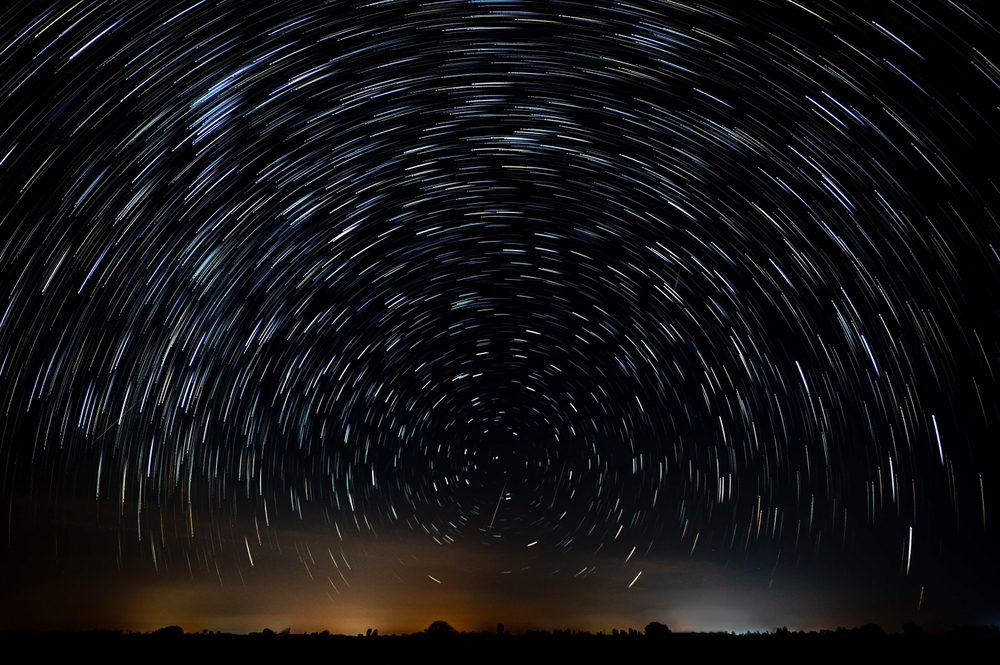
As darkness falls, some skywatchers could also get an early glimpse of the Perseid meteor shower, one of the most well-known meteor showers of the year.
The shower is expected to reach its peak overnight tonight into Thursday morning, with the best viewing conditions expected between midnight and around 5.30am.
The Perseids are created as Earth passes through debris left behind by the Swift-Tuttle comet.
As tiny pieces of material enter the Earth's atmosphere at around 36 miles per second, they burn up and create the bright streaks of light seen across the night sky.
@bbcnewsround The Perseid meteor shower is set to peak on the 12th and 13th August 💫 Space is really putting on a show this week! #space #spacetok #perseidmeteorshower #eclipse #spacethings ♬ Light in the Dark - Violin Sky
The shower gets its name from the constellation Perseus, where the meteors appear to originate.
The good news for anyone hoping to catch the Perseids is that no specialist equipment is needed.
Unlike the solar eclipse, the meteor shower can be safely watched with the naked eye.
For the best chance of seeing meteors, stargazers are advised to get away from artificial lights and urban areas where possible and find somewhere with a clear, unobstructed view of the sky.
The Perseids will remain active until August 24, so anyone who misses tonight's peak will still have opportunities to spot meteors over the coming days.
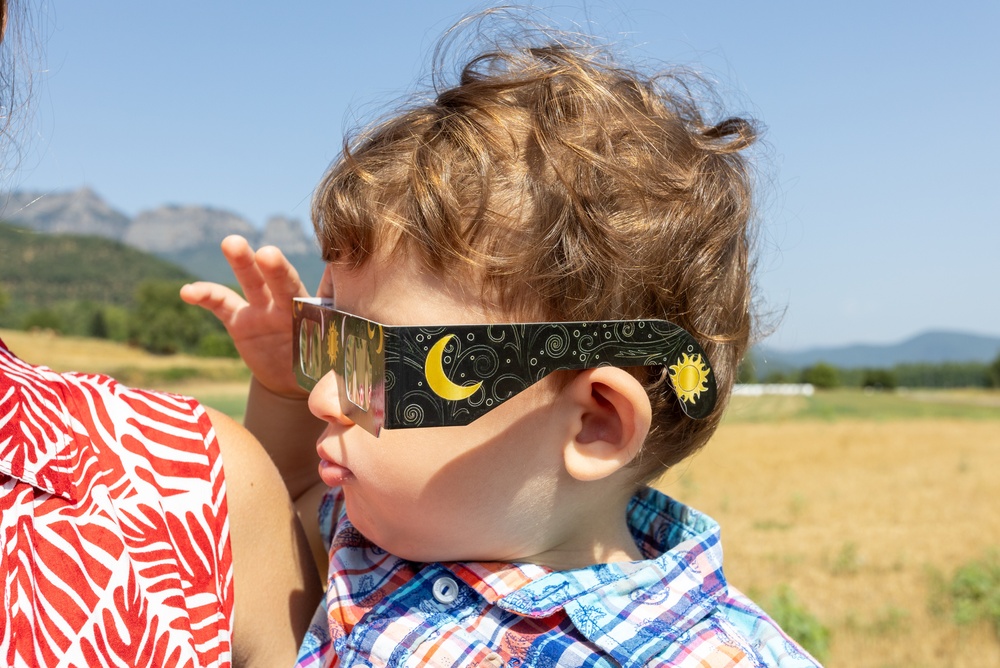
The safest way to look directly at an eclispe is to wear certified eclipse glasses. Image credit: Shutterstock
However, anyone watching the solar eclipse needs to take significantly more care.
Specialist eclipse glasses that meet the ISO 12312-2 safety standard are required to look directly at the Sun. Ordinary sunglasses do not provide enough protection.
With eclipse glasses reportedly sold out at many retailers, people should not attempt to watch the Sun directly using improvised eye protection.
There are, however, safe ways to watch the eclipse without looking directly at the Sun, including using a pinhole projector or household objects such as a colander to project an image of the eclipse onto the ground.
Several viewing events are also taking place around Ireland, including at Dunsink Observatory in Dublin, Blackrock Castle Observatory in Cork and Maynooth University in Co Kildare.
So while the partial solar eclipse will be the main event this evening, Irish skies could offer a second spectacular display later tonight, with the Perseids providing a chance to spot shooting stars into the early hours of Thursday morning.