
The United Nations has issued a stark weather warning, confirming that a rapidly strengthening "super" El Niño event could become one of the most intense climate events recorded since 1950.
According to the World Meteorological Organization (WMO), sea-surface temperatures in the tropical Pacific are projected to surge to historic highs between October and December, with a near-100% chance the phenomenon will persist through early 2027.
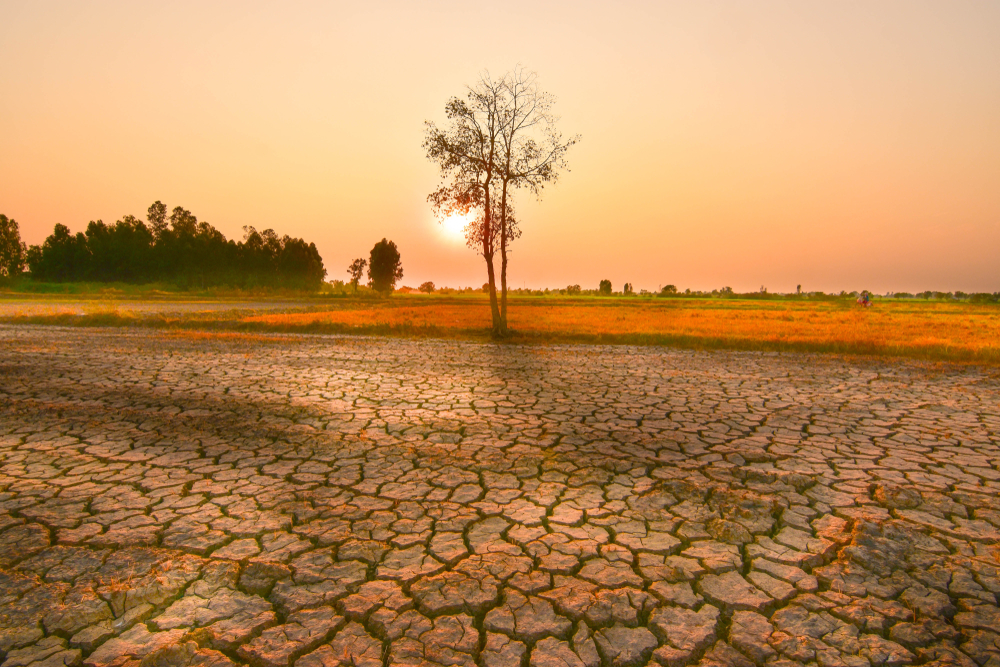
UN weather experts warn the massive climate pattern will trigger severe weather disruption across the globe, driving extreme droughts and heatwaves in some regions while unleashing heavy rainfall and flash flooding in others.
WMO Secretary-General Celeste Saulo explained that while El Niño does not create new heat on its own, it releases heat already stored deep in the oceans directly into the atmosphere.
"The ocean it’s drawing from is the warmest we’ve ever measured," Saulo stated. "There is simply more heat available to release."
The UN warned that the event is compounding the effects of global climate change, putting hundreds of millions of people at risk of extreme weather, crop shortages, and water scarcity through early next year.
Unicef estimates that more than 340 million children in nearly 100 countries will face severe weather impacts as a result of the phenomenon.
While the primary weather event is centered in the Pacific Ocean, its knock-on effects alter global jet streams and weather patterns, raising temperatures worldwide.