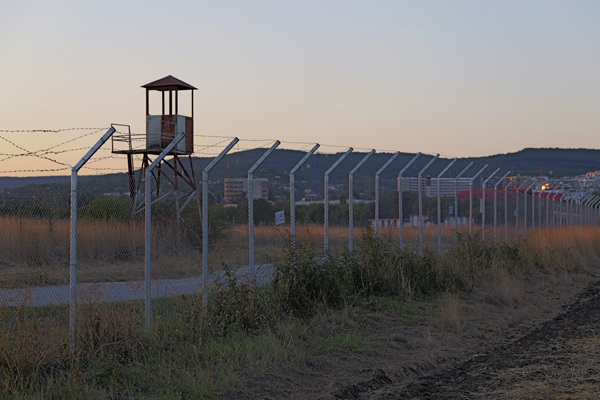

A local provincial official said 109 of those detained were nationals of African countries, while two were Moroccan citizens. Security forces were deployed in large numbers around the area to prevent the groups from reaching the border.
Authorities said the situation around the borders of Ceuta and Melilla remained calm and under control, despite the attempted crossing. Additional security personnel and equipment were brought into the area, including surveillance drones, intervention vehicles and water trucks.
The equipment was intended to help security forces manage the crowds while reducing the risk of direct confrontations with migrants, according to the official.
Earlier, hundreds of people, most of them from African countries, had gathered near Fnideq and attempted to move toward Ceuta. Security personnel blocked access to the border and maintained a strong presence around nearby routes and hills.
Moroccan authorities have also increased their monitoring of social media after anonymous posts reportedly encouraged people to take part in mass attempts to enter Ceuta and Melilla.
Interior Ministry spokesman Rachid El Khalfi said officials had detected online messages urging people to attempt crossings on 15 August. He said authorities considered the calls a serious threat to public safety and warned that people involved in organising or encouraging illegal crossings could face prosecution.
Officials said online activity would continue to be monitored as part of efforts to identify those encouraging further attempts. Security operations will also continue in border areas to prevent irregular crossings and detain people suspected of organising them.
The latest incident follows a much larger attempted movement toward Ceuta at the end of July. Moroccan authorities estimated that about 40,000 people were involved between 29 and 31 July, while Spanish authorities put the number at more than 70,000. Most of those who reached or approached the area later returned to Morocco.
The death toll from that episode remains disputed. Morocco’s National Human Rights Council said on 7 August that 14 people had died, while Spanish figures placed the number of deaths at 80.
Ceuta and neighbouring Melilla are Spanish-administered territories on Morocco’s northern coast. Morocco regards both territories as occupied Moroccan enclaves.
Attempts to enter the territories occur regularly, with migrants from several countries seeking access to Europe after fleeing conflict, poverty and economic hardship.