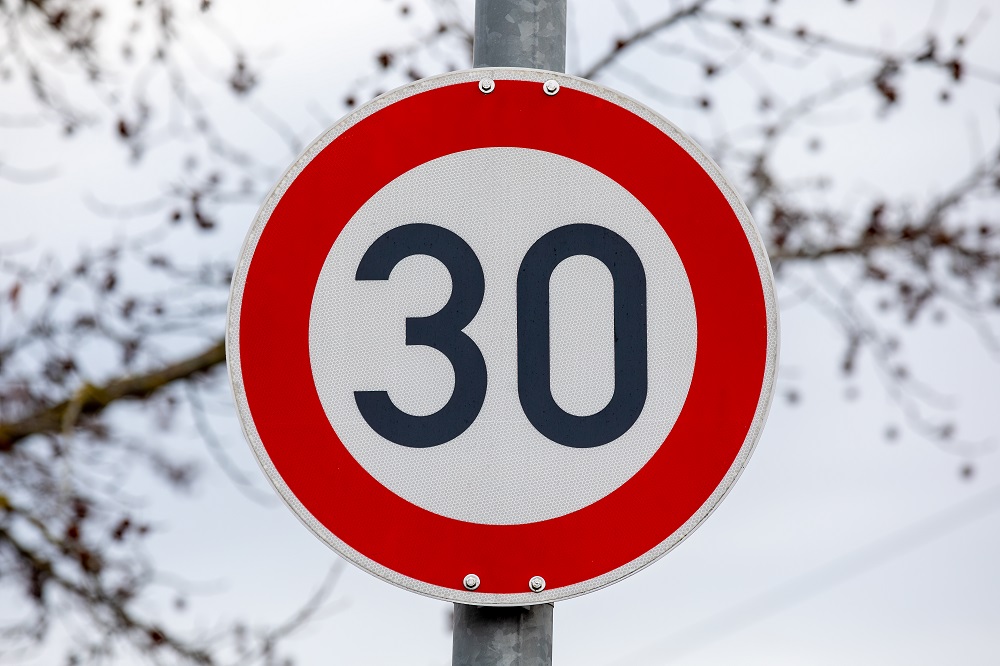

Almost all roads within the Dublin City Council area could be subject to a 30km/h speed limit by early next year, following a wide-ranging speed reduction assessment currently under way.
The council is reviewing roads that still operate at 50km/h, 60km/h and 80km/h, with a public consultation on proposed changes expected to be launched in the coming months. The move would represent the most significant expansion of 30km/h zones since the city began gradually lowering speed limits almost two decades ago.
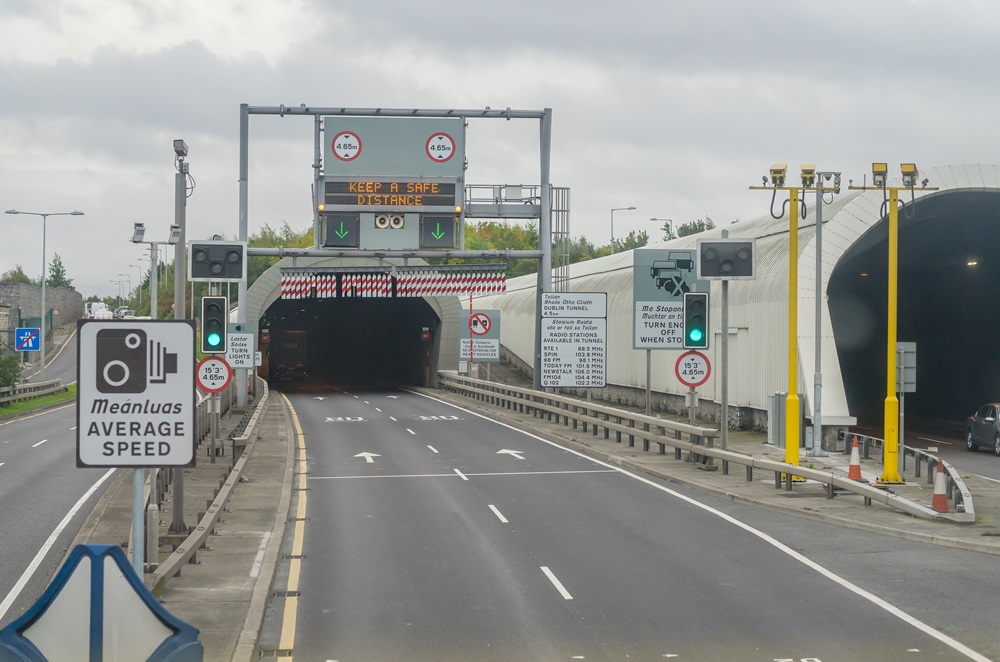
Much of Dublin city centre and many residential areas already operate under a 30km/h limit, introduced in phases over recent years. However, a number of arterial and distributor roads have retained higher limits. These remaining routes are now being examined in light of updated Department of Transport guidelines on speed limits and road safety.
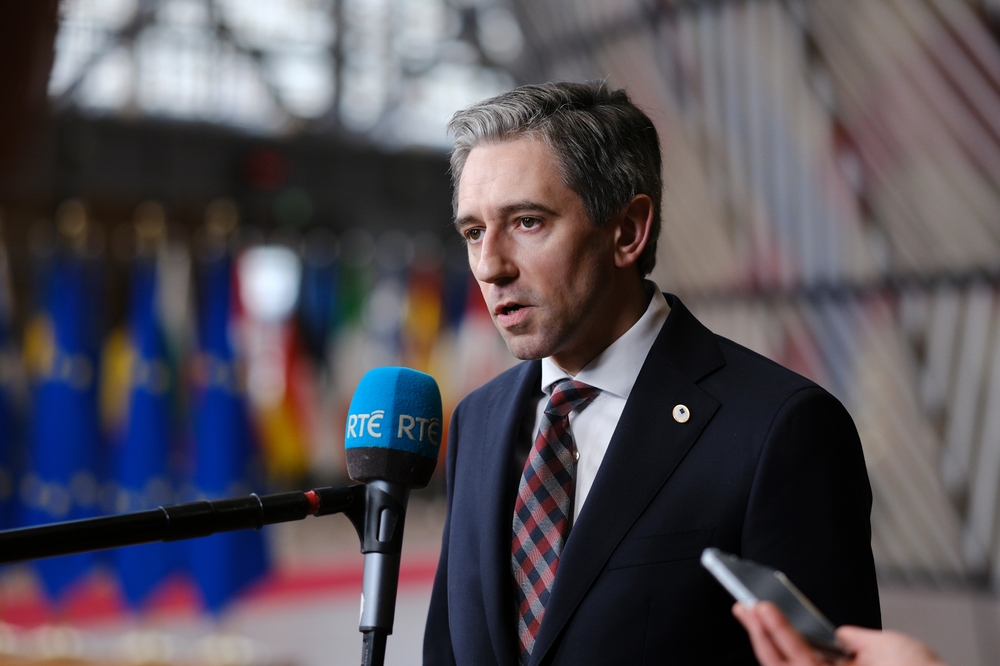
Speaking about the review, Brendan O’Brien, Head of Traffic at Dublin City Council, said the primary objective is to improve safety for all road users, particularly pedestrians and cyclists. “We still have a considerable number of roads that are either 50, 60, or in one or two cases, 80km/h. We're looking at those in light of the new guidelines from the Department of Transport on setting a speed limit,” he said.
He added that many 50km/h roads could be reduced to 30km/h immediately under the guidelines, while others may require additional measures such as traffic calming or road narrowing before changes can be made. “Where we'll be concentrating on is areas at 50km/h, where they have a lot of residents, where they have a lot of vulnerable road users,” he explained.
Mr O’Brien also highlighted the safety rationale behind the proposed reductions. “If you look at the difference between being hit by a car at 50 and hit by a car at 30km/h, the difference is huge. Your chances of surviving are about nine times out of 10 at 30,” he said, noting that survival rates drop sharply as speeds increase.
@radionova100fm
Early next year, tolls are going increase on all motorways linking Dublin, Kildare, Meath and Wicklow
♬ оригинальный звук - SILVESTR
While the majority of focus is on reducing 50km/h roads, the small number of routes currently operating at 80km/h may also be reassessed, with some potentially reduced to 60km/h.
Not all road users are supportive of the changes. Jim Waldron, spokesman for the National Private Hire and Taxi Association, warned the lower limits could affect journey times and increase the risk of penalty points for professional drivers. “We realise that the 30 kilometre zone is necessary in residential and high footfall areas,” he said, but argued it may be unnecessary on wider multi-lane roads with separate cycle infrastructure.
Dublin City Council has stressed that no changes will be implemented before a full public consultation takes place. Further transport changes are also expected later this year, including the next phase of the Dublin City Transport Plan and proposals around the pedestrianisation of College Green, signalling a broader shift in how traffic moves through the capital.