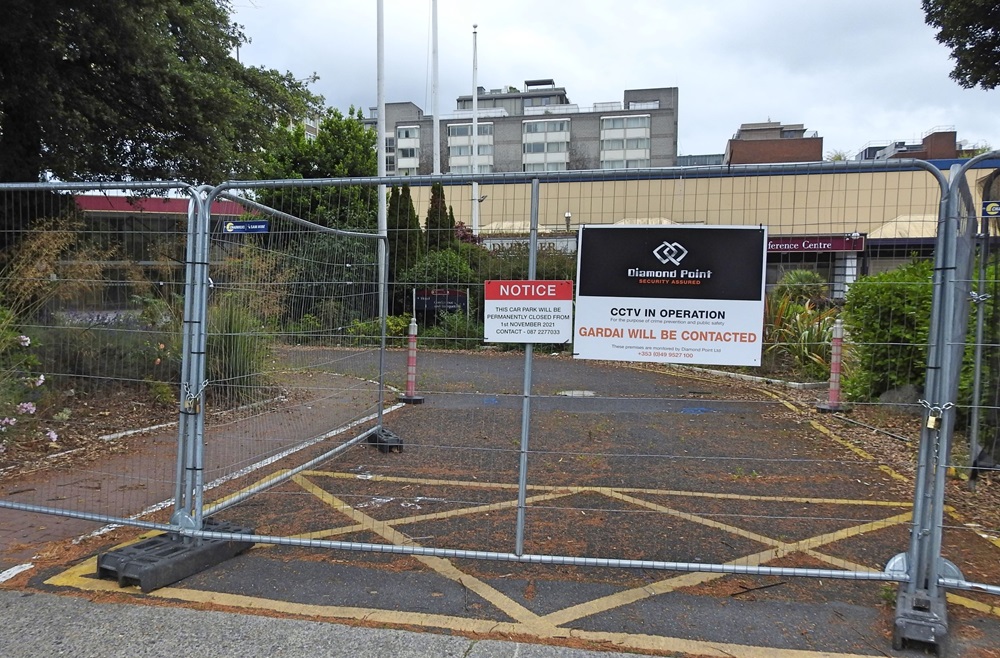
Dublin City Council (DCC) has temporarily halted the compulsory purchase of derelict properties across the capital while it deals with a growing backlog of neglected buildings already under its ownership. The move means no new compulsory purchase orders (CPOs) have progressed for at least six months, with the local authority citing financial and staffing pressures.
CPOs are one of the council’s strongest enforcement tools. They allow the authority to acquire abandoned or rundown sites when owners fail to address serious dereliction after repeated warnings. Supporters argue they are an effective way to tackle urban decay, return vacant buildings to use, and bring strategic properties back into public control.
Independent councillor Cieran Perry criticised the decision, describing it as disappointing at a time when dereliction has become a major political issue. He said CPOs, while often lengthy and complex, can be highly effective in forcing action. According to Perry, the pause comes despite increasing national attention on vacancy and decay, including recent Government initiatives and Dublin City Council’s own regeneration measures.
He also suggested the council is under intense pressure to prioritise large-scale housing developments over restoring existing vacant stock. While recognising the need for new homes, Perry argued that tackling dereliction and delivering new housing should happen side by side rather than as competing priorities.
The Department of Housing said local authorities have several funding options available for compulsory purchases and regeneration works. These include the Urban Regeneration and Development Fund (URDF), the Social Housing Investment Programme, and loans through the Housing Finance Agency. It noted that €10 million in URDF support had been allocated to Dublin City Council for vacant and derelict properties, with almost €9 million still unspent.
Green Party councillor Feljin Jose said the suspension is linked to the number of neglected properties already owned by the council that it cannot currently afford to refurbish. Reports suggest DCC controls at least 40 such sites, with some councillors describing the scale of the issue as embarrassing.
Recent public attention has focused on two deteriorating redbrick houses at 19 and 21 Connaught Street in Phibsborough, which have been in council ownership since 2019. Jose said the authority must now address the poor condition of buildings already in its possession before adding more to its portfolio.
Social Democrats councillor Cian Farrell said the council’s new “waterfall” dereliction strategy may need to prove successful before new CPO activity resumes. Under the system, DCC first assesses whether it has the finances and staffing to renovate a property itself. If not, the site may be sold to the Land Development Agency, an approved housing body, or a private developer under strict conditions requiring redevelopment within a set timeframe.
Farrell said the approach could act as an “immune system” for Dublin, transforming derelict sites into productive spaces. The first buildings expected to go through the process are the long-vacant Mulberry Cottages in Chapelizod, which are due to be offered for sale soon.