
A further eight sets of infant remains have been recovered from the site of the former Mother and Baby Home in Tuam as excavation work continues.
According to the latest update from the Office of the Director of Authorised Intervention in Tuam (ODAIT), all eight infants were buried in coffins. Their discovery brings the total number of individuals recovered since excavations began last summer to 77.
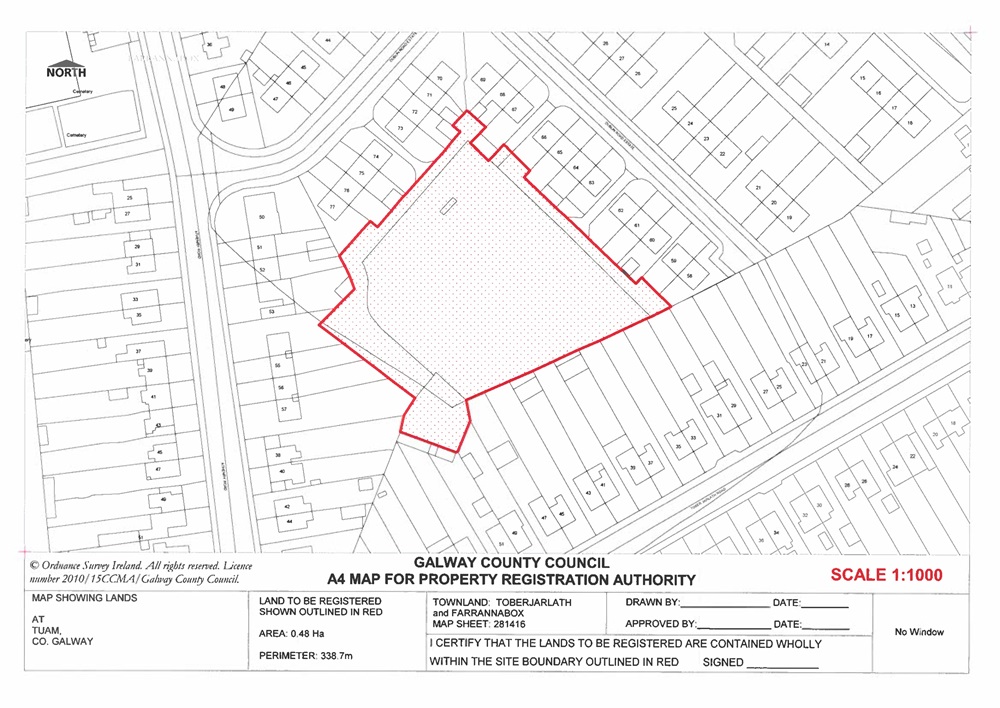
Most of the remains uncovered so far have been found in an area identified on historic maps as a burial ground.
The update, which covers work carried out between April and May, also confirmed the discovery of a number of disarticulated bones belonging to both adults and children. These remains will undergo further examination to establish their age and origin.
Excavations in another section of the site have revealed signs of additional potential graves of infant or child size, with further investigations now underway.
Work during the latest phase of the excavation focused on two areas of the site. One contains a subterranean vaulted structure believed to have been part of a wastewater management system dating back to the workhouse era. However, it remains unclear whether the system was still in use during the operation of the Mother and Baby Home between 1925 and 1961.
ODAIT Director Daniel McSweeney said all remains are being recovered to a forensic standard. Speaking on RTÉ's News At One, he explained that significant work had been required to make the underground structure safe before excavation could begin.
Mr McSweeney said a second excavation area, marked on historical maps as a burial ground, has revealed an extension of the site where the 77 individuals were recovered. Evidence of further graves suitable for infants or children has been identified there, and investigators expect additional remains may be found.
He noted that the team deliberately chose not to begin work in the Memorial Garden, despite previous test excavations carried out in 2016 and 2017 confirming the presence of remains in that location. Instead, efforts were initially directed towards areas where investigators suspected further burials could exist.
Describing the site as highly complex, Mr McSweeney said evidence of earlier burials, likely dating from the workhouse period and possibly the Famine era, had also been uncovered. Following discussions with the National Museum of Ireland, a decision was made to preserve those remains in situ rather than excavate them.
He added that some of the disarticulated bones may have been displaced over time by groundwater movement, soil subsidence, or disturbances caused when later burials were dug through earlier graves.
Alongside the excavation process, ODAIT is tasked with identifying the remains and, where possible, returning them to surviving family members. DNA samples are being collected from relatives of those who may have died at the home and compared with samples obtained from recovered remains.
To date, 55 family DNA samples have been gathered, with officials travelling to Ireland, the United States, Canada and the United Kingdom to meet relatives. Preparations are also underway to extend DNA collection to first cousins and other eligible family members following Government plans to broaden participation criteria.
Meanwhile, construction of a dedicated forensic facility and mortuary in Tuam is nearing completion. The facility, which will be used to analyse and store recovered remains, is expected to become fully operational later this summer.