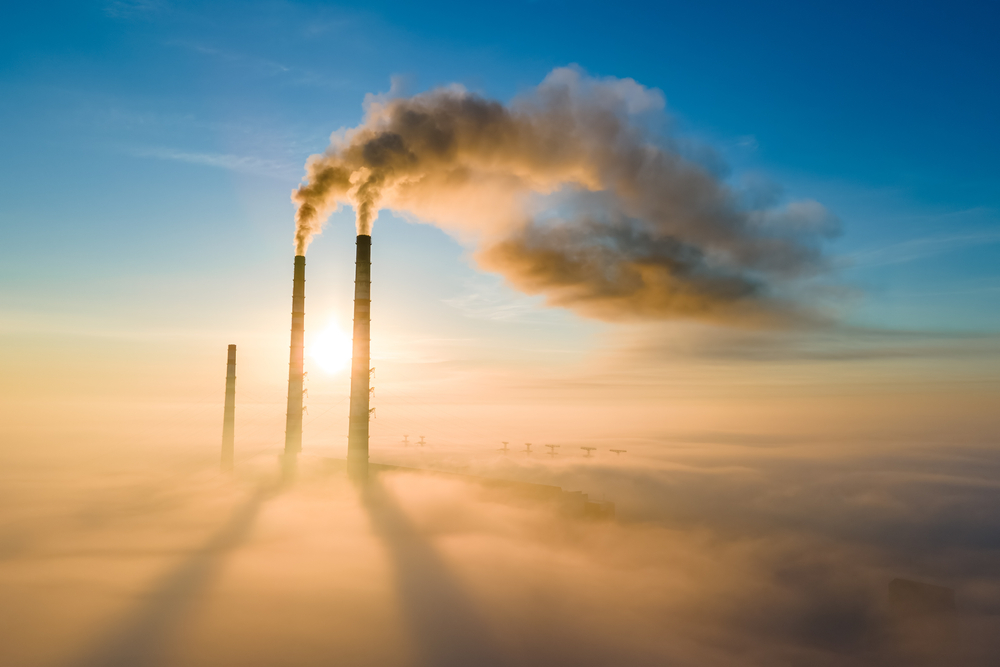

Ireland is on course to significantly miss its legally binding climate targets for 2030, according to new projections from the Environmental Protection Agency (EPA).
The watchdog said that even if the Government fully delivers a wide range of additional climate measures currently under discussion, the country would still only achieve around half of the emissions reductions required by the end of the decade.
Ireland has two separate legally binding greenhouse gas targets.
Under the country’s own Climate Act, emissions must fall by 51% below 2018 levels by 2030. Under the EU Effort Sharing Regulation, emissions must be cut by 42% below 2005 levels by the same year.
However, the EPA’s latest projections show Ireland is nowhere near meeting either target.
The report states that even if all proposed climate measures are implemented on time — including more electric vehicles, additional heat pumps, fewer cattle and increased renewable electricity imports — emissions would only fall by 25% under the Climate Act definition and 23% under the EU target definition.
The EPA warned that current climate action plans are not strong enough to deliver the cuts required within the short timeframe remaining before 2030.
A recent joint report by the Fiscal Advisory Council and the Climate Change Advisory Council estimated that failure to meet the targets could leave Ireland facing between €8 billion and €26 billion in fines and carbon credit costs.
EPA Director General Dr Eimear Cotter said stronger implementation of climate policies is now urgently needed.
"There must be a renewed focus on delivering the actions to meet Ireland’s climate targets which will be a significant challenge given the short timeframe to 2030," she said.
The EPA said meeting emissions targets would bring benefits beyond avoiding financial penalties. These include reducing dependence on fossil fuels, improving energy security, protecting the environment and supporting public health.
The agency also pointed to economic opportunities linked to climate action, including green jobs and investment in renewable energy infrastructure.
Dr Cotter said recent emissions trends show progress is possible, but warned that delivery must now accelerate significantly.
"Renewable energy is now expected to provide nearly 60% of Ireland’s electricity by 2030. It is imperative given the increasing demand for electricity across several sectors, that renewables are delivered at the pace and scale required to meet this demand," she added.
The warning comes as Europe experiences an exceptionally early heatwave, with record temperatures recorded across several countries during May.
Parts of Spain and Portugal have approached temperatures of 40C, while the UK recorded its hottest May day on record after temperatures reached 34.8C in London.
In France, authorities confirmed several deaths linked to the heatwave, including drownings and heat-related sporting incidents, while multiple regions were placed under orange heat alerts.
Climate experts said the extreme conditions were linked to a powerful “heat dome” trapping hot air across western Europe — a phenomenon increasingly associated with human-driven climate change.
Scientists have repeatedly warned that climate change is making extreme weather events including heatwaves, floods and droughts more frequent and more severe across Europe.
Recent data from the European climate service Copernicus and the World Meteorological Organization showed Europe has warmed twice as fast as the global average since the 1980s, with heatwaves becoming more intense across most of the continent.
For Ireland, the EPA said it is imperative that ambition and action is maintained across all sectors if Ireland is to meet its targets and realise the benefits of decarbonisation for society.