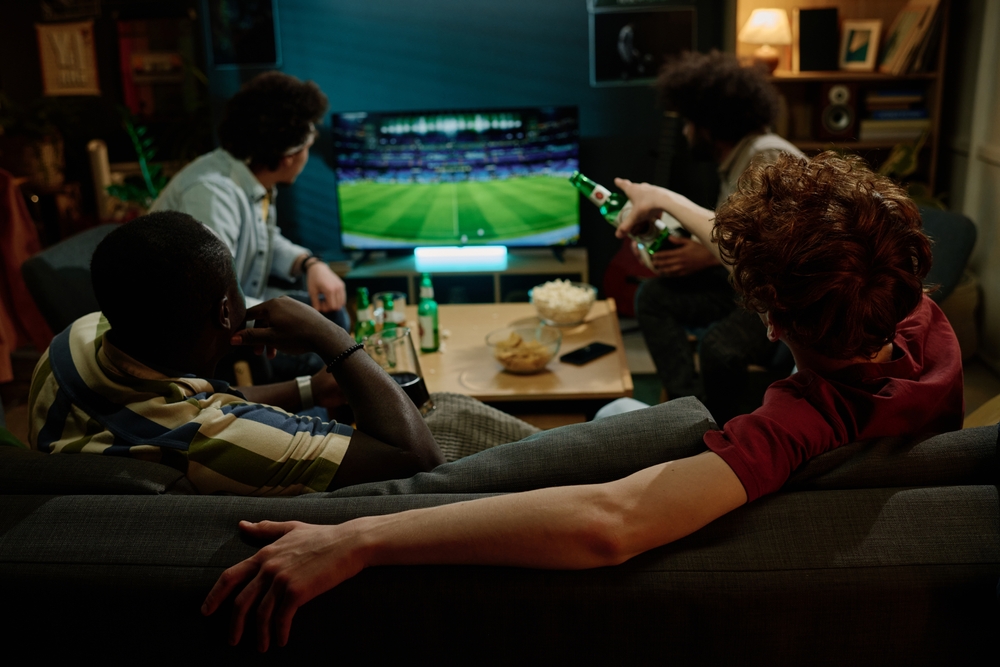

Nearly half of Gen X football supporters believe the 1990s were the cultural peak of football, according to a new survey highlighting growing nostalgia for the era’s chants, atmosphere and less commercialised game.
The findings suggest many fans feel modern football has lost some of its connection to wider music and street culture, with four in five supporters saying the game is now less culturally tied to music than it was during the 1990s.
Despite that, supporters still see songs and chants as a vital part of matchday experience today, with 44% saying they are essential for creating atmosphere and a sense of unity inside stadiums.
When it comes to football anthems, Fat Les’ “Vindaloo” has emerged as the standout nostalgic favourite, with fans saying it best captures the chaotic energy and humour of 1990s football culture.
The song narrowly beat out several modern and classic terrace staples, including “Seven Nation Army”, “Blue Moon”, “I’m Forever Blowing Bubbles” and “Delilah”, in terms of defining the matchday experience.
The survey also highlighted common matchday rituals that continue to shape fan experience. These include standing or shouting during key moments, joining in with chants, and preparing special food before games.
Many respondents said these traditions remain central to football fandom, even as the sport itself has become increasingly globalised and commercialised over the past three decades.
The sense of nostalgia appears particularly strong among older supporters, with many Gen X fans pointing to the 1990s Premier League era as a time when football felt more raw, communal and connected to everyday culture.
In other news, four in five football fans are prepared to sacrifice sleep to follow the 2026 FIFA World Cup, according to new research, as excitement builds ahead of the tournament’s opening match.
A survey commissioned by Currys found that 79% of Britons plan to stay up late or wake early to keep track of results from the competition, which is being staged across the United States, Canada and Mexico for the first time.
The unusual scheduling means nearly half of the group-stage fixtures will kick off after midnight UK time, with some matches starting as early as 5am.
FIFA World Cup 2026.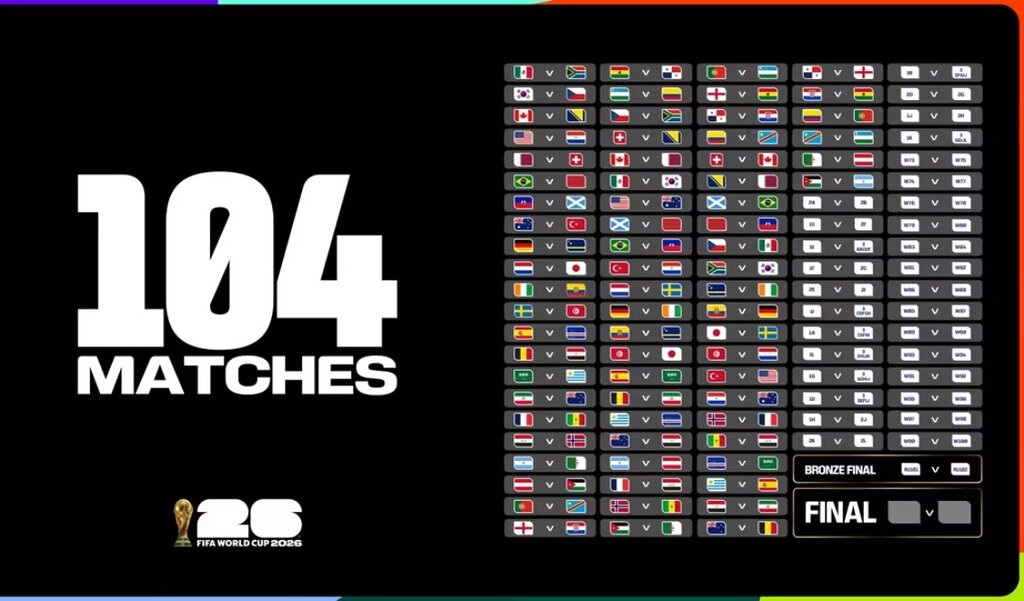
FIFA World Cup 2026.
As a result, more than half of respondents (53%) believe the tournament will leave them looking less refreshed, while 30% said they would be willing to skip skincare, grooming or wellness routines altogether during the month-long competition.
Despite the anticipated lack of sleep, enthusiasm remains high.
The survey found that 41% of fans plan to decorate their homes for the World Cup, while 59% have already purchased items specifically for hosting friends and family during matches.
Separate research by EDF highlighted the potential tensions that can arise in households during major football tournaments.
The study found that blocking the television was considered the worst World Cup viewing offence, with 44% of respondents saying it deserved an immediate “red card”. Changing the channel during a match ranked second on the list at 34%, while 30% said revealing the score before others had seen it was equally frustrating.
The research also revealed that 66% of UK households expect some form of “matchday divide” this summer, with football fans and non-fans often competing for control of shared living spaces.
Among those with little interest in the tournament, 17% said they would leave the room entirely during matches. Others plan to occupy themselves by using another device (36%), shopping online (21%) or even washing and drying their hair (17%).
Meanwhile, 33% of non-fans said they would remain in the same room as football supporters but would instead spend the time gaming online or wearing headphones to avoid the commentary and crowd noise.
Some respondents also viewed match time as an opportunity to tackle household tasks, with 41% choosing to do laundry, 32% opting to cook and 19% planning to bake instead of watching the action.
With an estimated 34 million England and Scotland supporters expected to tune in throughout the tournament, 73% of those surveyed believe football fixtures could increase household electricity consumption.
In response, EDF has announced it will offer customers two hours of free electricity during every England and Scotland match.
For viewers in Ireland, RTÉ Player will stream all 104 matches live throughout the competition.
The 2026 FIFA World Cup will be the largest in the tournament’s history, featuring 48 nations for the first time. It also marks the first occasion the event has been hosted by three countries.
Although Ireland will not be represented at the finals, the competition is still expected to attract significant interest among Irish football fans when it gets underway on Thursday, June 11.