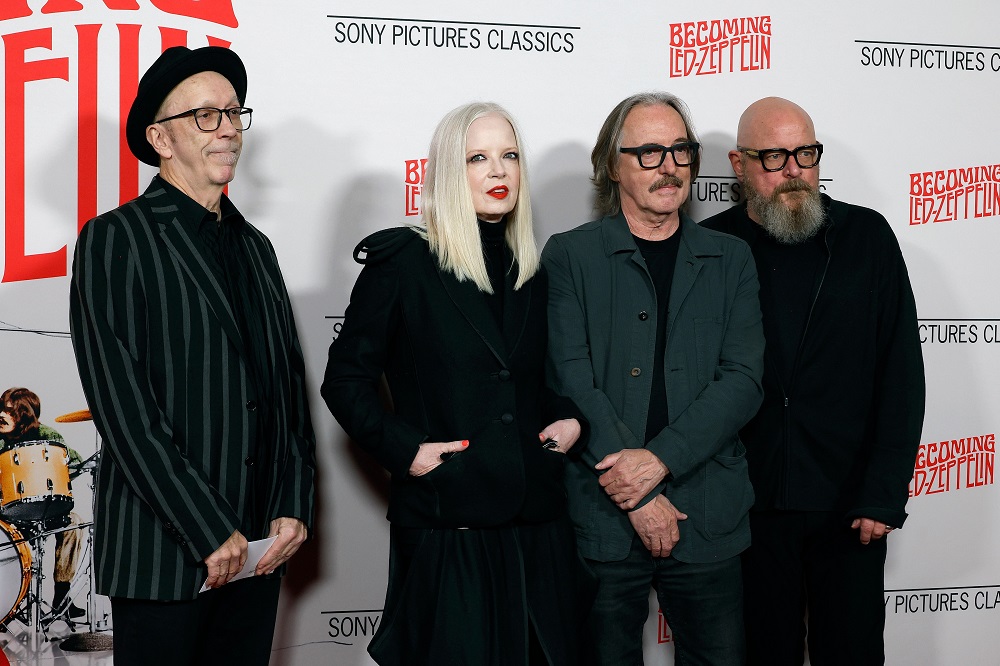

@garbage Thank you Arlington, Texas for the incredible reception you gave us when we opened up for @mychemicalromance._yesterday. Hearing you sing Happy Birthday to Butch in celebration of his 70th birthday was so incredibly moving. Nothing but love love love to MCR and to you all. #garbage #garbagetheband #mychemicalromance #birthday #ontour#fans #arlingtontx #texas ♬ original sound - Garbage
The Scottish-American band confirmed a run of European dates last month, following the announcement of a major bill-topping concert at Edinburgh Castle — a show that frontwoman Shirley Manson suggested could mark the end of an era for the group on home soil.
According to Manson and her bandmates, the Edinburgh date “most likely will be our last headline show in Scotland”, a statement that immediately heightened anticipation around the tour and underscored the reflective tone surrounding the band’s recent live announcements.
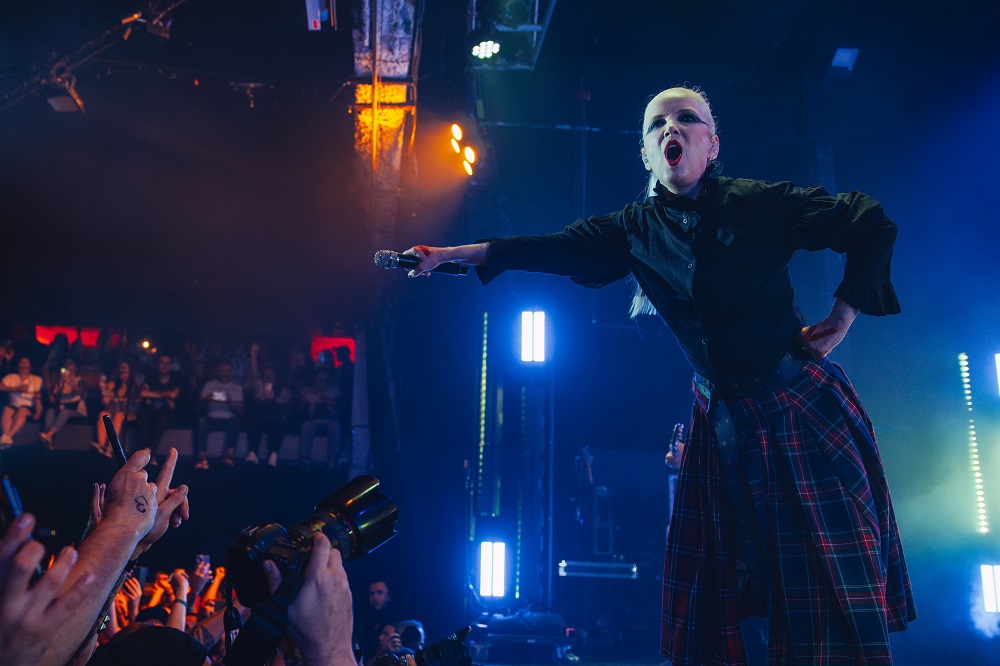
In addition to their European run, Garbage are set to play a series of outdoor UK co-headline shows with Skunk Anansie this summer, including stops at Dreamland Margate, Halifax’s The Piece Hall, and Scarborough Open Air Theatre — a pairing that brings together two acts synonymous with alternative rock’s political edge and confrontational energy.
Now, the band have confirmed three further live dates for 2026, expanding the tour to include Stockholm’s Grona Lund Tivoli on June 3, London’s Roundhouse on July 14, and Dublin’s Iveagh Gardens on July 18.
The newly announced Dublin date will see Garbage return to Ireland as one of the most enduring and influential alternative acts of the past three decades. Since forming in Madison, Wisconsin, in the mid-1990s, the band — completed by producers Butch Vig, Duke Erikson, and Steve Marker — have built a career defined by sonic experimentation, political outspokenness and a refusal to conform to industry expectations.
Their self-titled debut album Garbage introduced a sound that fused grunge, industrial rock, electronic textures and pop hooks, producing enduring tracks that helped define the alternative mainstream of the era. Follow-up releases such as Version 2.0 and Beautiful Garbage expanded that palette further, embracing digital production techniques while retaining the band’s sharp lyrical focus.
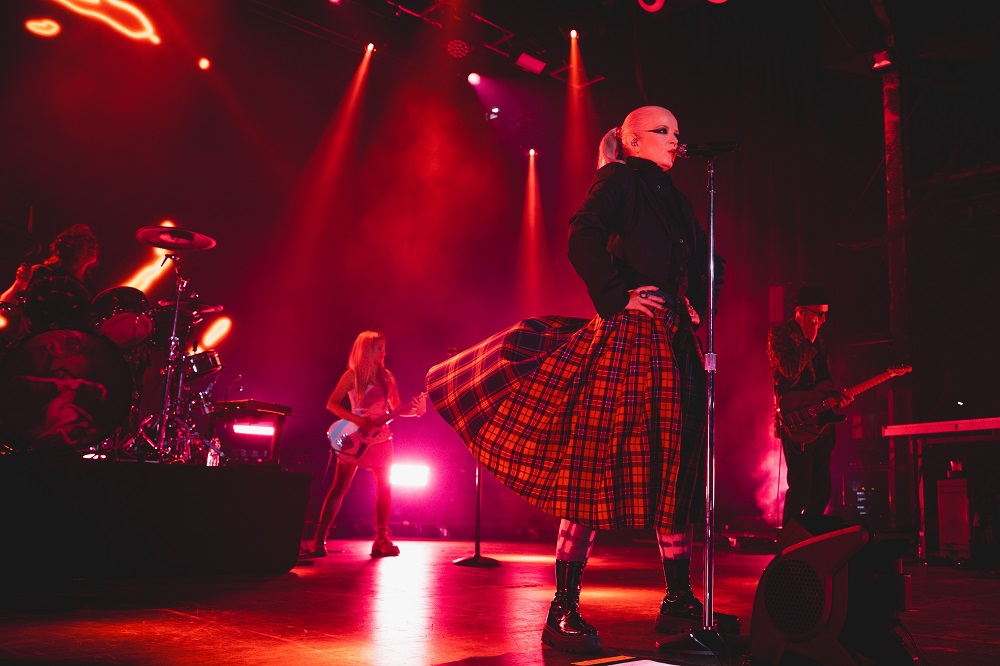
At the centre of it all has been Shirley Manson, whose presence as a frontwoman challenged norms at a time when rock music remained overwhelmingly male-dominated. Her lyrics have consistently explored themes of identity, power, sexuality and control, often confronting misogyny head-on while rejecting the idea that vulnerability and aggression are mutually exclusive.
Over the years, Garbage have also become increasingly outspoken politically, addressing issues such as sexism, ageism and media hostility towards women in music. Rather than softening with time, their later releases have often been among their most confrontational, pairing heavy guitar work with electronic abrasion and unapologetically direct messaging.
That commitment to artistic integrity has helped the band maintain relevance across generations, with younger audiences discovering their catalogue alongside long-time fans who have followed them since the 1990s. Live, Garbage are known for shows that balance nostalgia with renewed urgency, revisiting classic material while foregrounding newer work that reflects their evolving worldview.
The announcement of what could be their final Scottish headline show has added a sense of significance to the tour, though the band have been careful not to frame it as a farewell. Instead, the upcoming dates appear to celebrate longevity — a rare achievement in an industry that often sidelines artists as trends shift.
For Irish fans, the Iveagh Gardens show offers a chance to see a band whose music has consistently blurred the boundaries between rock, pop and electronic music, all within one of Dublin’s most atmospheric outdoor venues.
As Garbage continue to expand their 2026 schedule, the newly added dates reinforce their status not just as survivors of the alternative boom, but as artists still deeply invested in pushing their sound — and their message — forward.
March 7, 2026 — Santo Domingo
March 28, 2026 — London
May 20–24, 2026 — Castle Hall
May 25, 2026 — Paris
May 28, 2026 — Sofia
May 30, 2026 — Warsaw
June 3, 2026 — Stockholm
June 4–6, 2026 — Skive
June 8, 2026 — Vienna
June 9, 2026 — Prague
June 11, 2026 — Hamburg
June 14, 2026 — Utrecht
June 16, 2026 — Halifax
June 18, 2026 — Delamere
June 19, 2026 — Margate
June 20, 2026 — Scarborough
June 22, 2026 — Cardiff
June 23, 2026 — Southampton
June 25, 2026 — Mainz
June 27, 2026 — Athens
July 1, 2026 — Barcelona
July 10, 2026 — Edinburgh
July 14, 2026 — London
July 17, 2026 — Belfast
July 18, 2026 — Dublin