
The mid-1960s rivalry between The Beatles and The Rolling Stones was the most productive kind of warfare, not blood but brilliance. Each record from one band seemed to provoke the other into evolution. But few would have guessed that a casual insult aimed at Mick Jagger and company would ignite one of the defining artistic statements of the decade: Rubber Soul.
The story begins with what was, in essence, a dig. Paul McCartney later recalled hearing an old blues musician dismiss The Rolling Stones as “plastic soul”, a sly jab at white British musicians mimicking the deep authenticity of American R&B. McCartney remembered the phrase immediately. “So ‘plastic soul’ was the germ of the Rubber Soul idea,” he said years later.
In The Beatles Anthology, McCartney expands on that moment, even recalling an outtake of I’m Down where he can be heard saying, “Plastic soul, man. Plastic soul.” It was tongue-in-cheek but knowing, the self-awareness of four men who had gone from Merseybeat charmers to artists reinventing popular music every six months. John Lennon later explained the title simply: “It was Paul’s title… meaning English soul. Rubber Soul. Just a pun.”
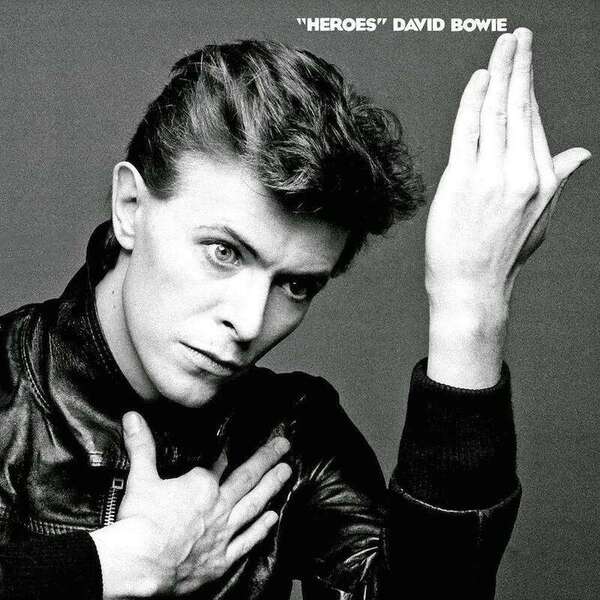
The phrase “plastic soul” would live on beyond Rubber Soul. David Bowie, ever the chameleon, adopted and redefined it a decade later to describe his 1975 album Young Americans. In a 1976 Playboy interview, he embraced the term with characteristic irony: “My rhythm and blues are thoroughly plastic… Young Americans is, I would say, the definitive plastic soul record.” It was Bowie’s way of framing his own theatrical distance from authenticity, the very tension that Rubber Soul had explored and transcended.
That’s what made Rubber Soul revolutionary. The title might have started as a wink at imitation, but the music inside proved The Beatles could create their own version of soul, elastic, self-aware, but unmistakably real. It marked the moment their pop instincts collided with artistic intent, birthing songs like Norwegian Wood, In My Life, and Michelle.
A throwaway insult about “plastic soul” became an album that redefined what pop could be, a sly reclamation of authenticity from four musicians who understood better than anyone that imitation can, if done with vision, evolve into something entirely new.