
Ireland’s winters are losing their bite, and scientists say the change is happening far faster than many people realise. While climate change is often associated with hotter summers and heatwaves, new research and global climate data now show that some of the most dramatic warming is happening in winter — particularly in the coldest nights that once defined the Irish climate.
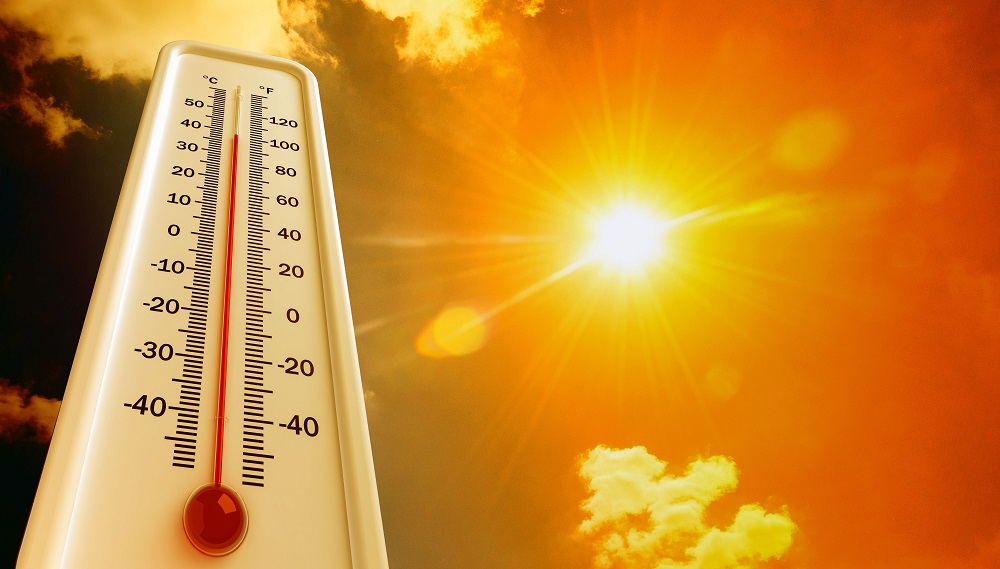
According to the European Union’s Copernicus Climate Change Service, 2025 was the third warmest year on record globally, while the past three years have averaged more than 1.5°C above pre-industrial levels. Even more striking, the last 11 years have been the 11 warmest ever recorded, confirming a clear and accelerating warming trend. The average global surface air temperature in 2025 was 1.47°C above pre-industrial levels, following 1.6°C in 2024, the hottest year ever measured. Scientists define the pre-industrial era as 1850 to 1900, before human activity began significantly altering the planet’s climate.
This is the first time global temperatures averaged over a three-year period have exceeded the critical 1.5°C threshold set out in the Paris Climate Agreement. While Copernicus director Carlo Buontempo stressed this does not yet mean the agreement has been formally breached — which would require sustained warming over many years — he warned the current trajectory suggests the limit could be crossed permanently by the end of this decade, more than a decade earlier than expected when the deal was signed.
At the same time, Ireland is experiencing its own dramatic shift. A new analysis of winter temperature records from 1950 to 2022 shows that the country’s coldest winter days are disappearing. The research found that extreme cold is warming faster than average winter temperatures — and even faster than summer heatwaves. Ireland’s coldest ever recorded temperature, -19.4°C in Omagh in 1881, has become around 100 times less likely to occur under today’s climate conditions. Inland areas, which traditionally saw the biggest winter temperature swings, are warming fastest, while coastal regions are changing more slowly but still following the same trend.
On average, Irish winter temperatures have risen by about 0.9°C, but the coldest nights have warmed by much more. This means that while freezing conditions still occur, they are now happening in a much warmer climate than they did even 50 years ago. Events like the Big Freeze of 2010, when temperatures dropped to -17.5°C in Co Mayo, are still possible when the jet stream shifts and allows Arctic air to flow south — but scientists say such cold snaps are now milder than they would have been in the past and are becoming increasingly rare.
Globally, the warming climate is already driving more extreme weather. Florian Pappenberger, Director General of the European Centre for Medium-Range Weather Forecasts, said climate change acts as a “threat multiplier” because a warmer atmosphere holds more moisture, increasing the risk of heavy rainfall, floods and storms. Julien Nicolas, a senior Copernicus climate scientist, said the world is already effectively living in a 1.5°C climate, with extreme weather events happening “every year, every month”.
For Ireland, milder winters may sound appealing, but the loss of extreme cold brings serious consequences. Many plants, crops and wildlife depend on prolonged frost to regulate growth, suppress pests and control disease. Without it, invasive species spread more easily, agricultural risks increase and ecosystems fall out of balance.
The message from scientists is clear: Ireland is not just facing hotter summers — it is also losing the deep winter cold that once shaped its landscape, wildlife and way of life.