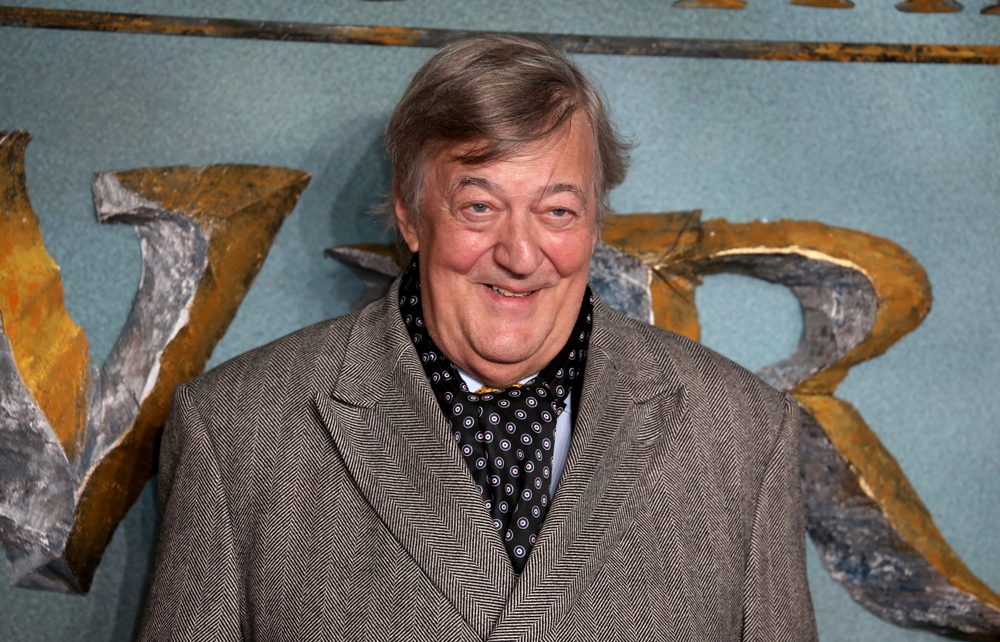

Sir Stephen Fry has been accused of failing to look where he was going before suffering a serious fall at London's O2 Arena, as a legal battle over the accident continues.
The actor and presenter is suing two companies for damages of up to £100,000 after falling approximately two metres from a stage in September 2023.
The accident happened backstage after Fry had delivered a talk at the CogX Festival, an annual event focused on artificial intelligence and the future of technology.
Fry broke his leg, hip, pelvis and ribs in the fall.

He has brought legal action against CogX Festival Limited, the company behind the event, as well as production agency Blonstein Events and staffing provider Sourced Global Ltd.
The 68-year-old launched his claim in April, alleging that the companies were negligent by failing to ensure the stage and backstage area were safe and adequately lit.
However, defence submissions have now accused Fry of contributing to the accident by not paying attention to where he was walking.
The case centres on the circumstances surrounding the fall and whether adequate safety measures were in place backstage at the venue.

Separately, Fry has also been involved in a campaign calling for greater access to prostate cancer screening in the UK.
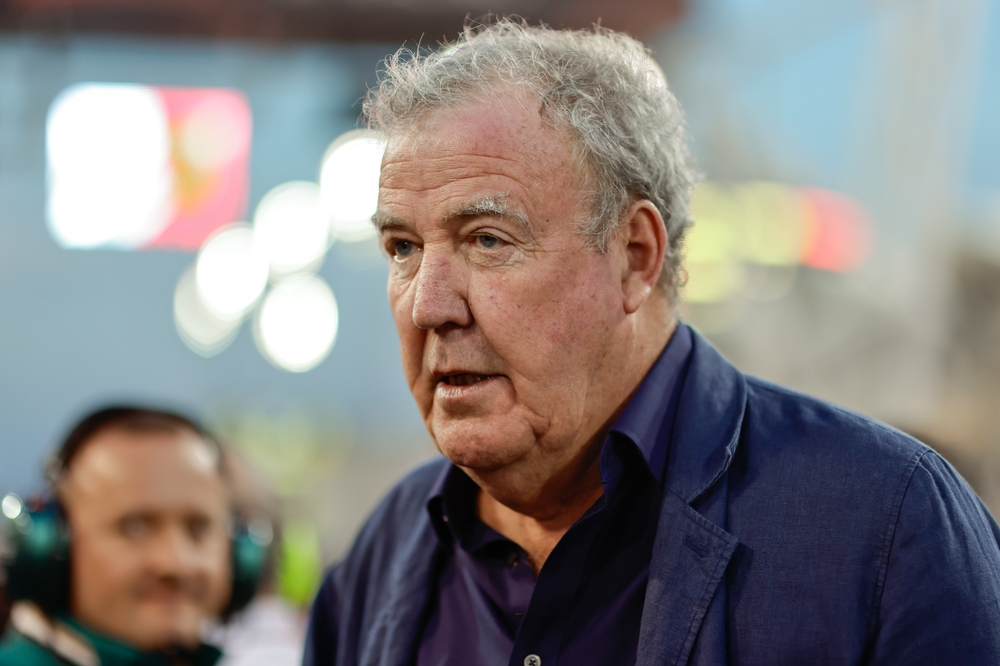
Back in September, he joined television presenter Jeremy Clarkson, former Prime Ministers David Cameron and Rishi Sunak, and other public figures in signing an open letter to Health Secretary Yvette Cooper.
The campaigners are calling on the UK Government to reconsider the country's approach to prostate cancer screening, arguing that more men at high risk should have access to testing.
The letter followed a decision by the UK National Screening Committee to restrict screening to around 1,500 men aged between 45 and 61 who have a particular genetic mutation and a family history of an associated cancer.
The signatories warned that other men who may also be at high risk would not have guaranteed access to testing.
Prostate cancer is the most common cancer among men in Britain, with approximately 63,000 cases diagnosed and 12,000 deaths recorded each year.
The campaigners believe earlier detection could help more men receive treatment before the disease progresses.