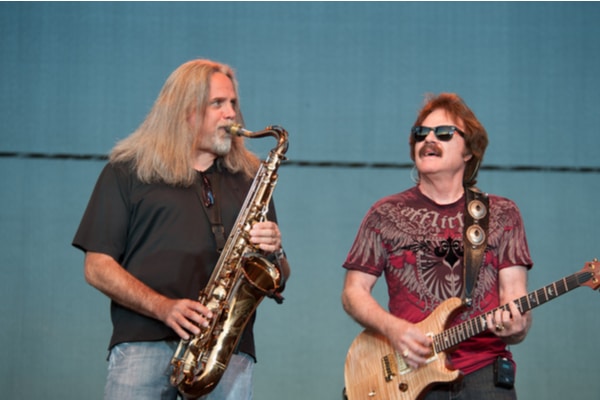

By the tail end of the 1970s, The Doobie Brothers weren’t just tired. They were done.
After years of lineup changes, sonic shifts, and the kind of relentless touring that breaks even the best bands, they’d hit a wall. Their latest record, Minute by Minute, was finished, but the mood was anything but celebratory. Michael McDonald, who’d recently taken the reins as frontman, admitted they didn’t know if they’d recorded a classic or a catastrophe.
“We didn’t know what we had. We weren’t even sure we liked it".
And it turns out they weren’t alone. When the album’s lead single, the now-iconic What A Fool Believes, was played at an A&R meeting, the verdict from label execs was as brutal as it was unanimous: thumbs down. As McDonald put it, “Those guys are over.”
And, by all appearances, they were. Following a morale-shattering tour in Japan, the band effectively called it quits. McDonald and drummer Keith Knudsen fled to Hawaii, reflecting on what looked like the end. “We just sat on the beach and played golf and smoked marijuana,” McDonald recalled, describing the exodus like a last gasp of freedom rather than a break.
But fate, and radio charts, had other ideas. Pat Simmons rang from the mainland with the news: What A Fool Believes wasn’t just a hit; it was the hit. A career-redefining, era-defining monster of a song, suddenly climbing the charts with frightening speed.
Simmons told them, "Maybe we should rethink this thing about breaking up." That was all it took. No epiphany. No strategic pivot. Just the realisation that, against all odds, they were somehow back in the game.
McDonald, in his typically laconic delivery, summed up the band’s uncertain, often chaotic existence at the time: “Back then, I don’t think we really knew where we were going or why. We were just going.”
And yet, that accidental momentum, half luck, half divine intervention, saved the Doobie Brothers. What A Fool Believes went on to win Song of the Year at the Grammys and cemented their place in music history.
Not through meticulous planning. Not because they reinvented themselves. But because, just once, the stars aligned. And that was enough.