

It is now virtually impossible to separate modern music from the internet. Streaming platforms dominate revenue, social media dictates visibility, and much of the fan - artist relationship exists almost entirely online. But this ecosystem was not inevitable. For many rock musicians who came of age long before Wi-Fi and smartphones, the internet arrived not as a solution, but as a profound and unsettling question mark.
The early response was fragmented, contradictory, and often revealing. Some artists immediately sensed possibility. Others saw only erosion of control, of income, of the tactile rituals that once defined music culture.
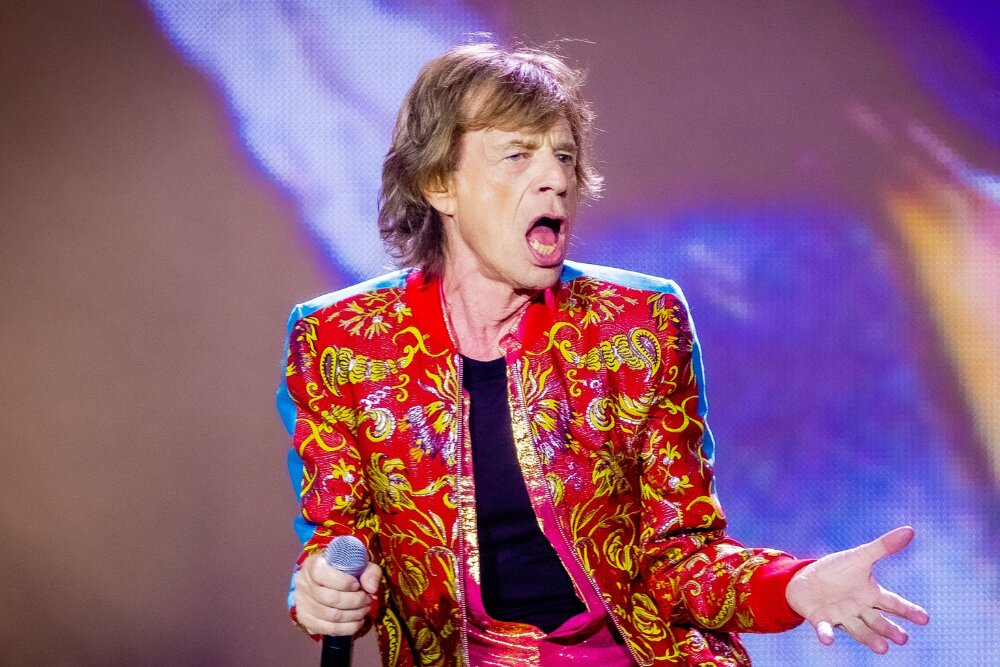
One of the earliest and most striking examples came in 1994, barely a year after the World Wide Web became publicly accessible. The Rolling Stones livestreamed five songs from a concert at the Cotton Bowl in Dallas using a service called Mbone, becoming the first major rock band to broadcast live online. It was an audacious move for a band three decades into its career. Mick Jagger addressed the moment directly from the stage: “I want to say a special welcome to everyone that's climbed into the internet tonight. I hope it doesn't all collapse.”
Jagger, in particular, leaned into the medium. By the late 1990s, he had founded Jagged Internetworks to stream live sports, explaining: “Jagged Internetworks is a company founded to produce and promote sports and entertainment events on the internet. The first sport we selected was cricket, because of my passion for the game.” He applied the same thinking to music, filling his website with free audio, video and lyrics. “The internet has really made great technological strides over the years,” he told CBS in 2001. “It's exciting, it makes it possible to share a little something special with my fans.”
Others quickly followed. Megadeth launched their own fan-focused website in 1994. Aerosmith, via Geffen Records, released an unreleased track online the same year. It took up to 90 minutes to download, and 10,000 people did. Steven Tyler framed the moment with clarity: “If our fans are out there driving down that information superhighway, then we want to be playing at the truck stop.”
Radiohead’s decision to build their own online presence ahead of OK Computer proved equally prescient, particularly as fan sites amplified an album their own label initially doubted.
But optimism ran alongside fear. As music became easier to copy, artists grew wary. Paul McCartney recalled discussions about digital Beatles releases: “If one employee decides to take it home and wap it on to the internet… they're scared of that.” Metallica’s lawsuit against Napster in 2000 crystallised those anxieties.
Some concerns were philosophical. “We're in an age now where music is invisible,” Jack White warned in 2003. “Everything is becoming MP3s.” Elton John went further: “I do think it would be an incredible experiment… to shut down the internet for five years.” Bob Dylan, characteristically blunt, joked: “I'm afraid to go on the internet… some pervert’s gonna lure me somewhere.”
David Bowie and Prince perhaps understood the balance best. Bowie launched BowieNet and released an album online, but warned: “I don't think we’ve even seen the tip of the iceberg.” Prince echoed that caution in 1999: “Don't be fooled by the internet… don't let the computer use you.”
They were right. The internet didn’t just change music. It rewrote the rules, and everyone had to learn, whether they liked it or not.