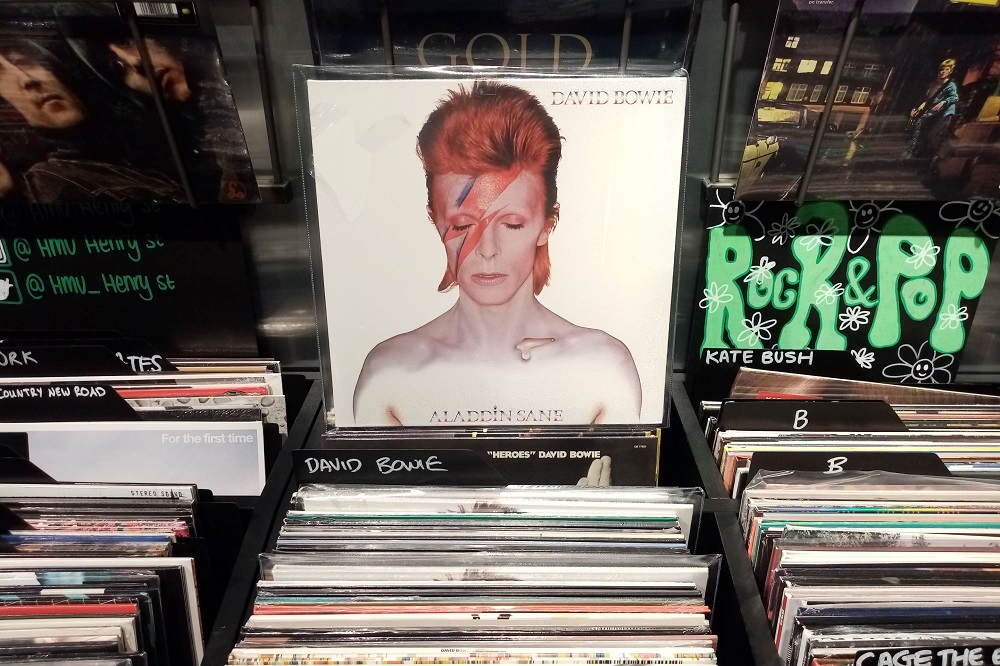

Sales of physical music formats rose strongly last year, highlighting the lasting appeal of older recordings and traditional listening habits not only among older music fans, but increasingly among younger generations as well. Music Week says "Generation Z is now the driving force behind vinyl's current popularity, according to industry collective the Vinyl Alliance". A survey of more than 2,500 vinyl enthusiasts around the world highlights the strong commitment of Gen-Z listeners to the format. The findings show that more 76% purchase vinyl records at least once a month, 80% already own a turntable. So, why is that?
GEN Z AGE GROUP =
| 1997 –2012 | 14 – 29 |
Gen-Z’s relationship with vinyl is very different from that of older generations. Unlike Millennials or Gen-X, they did not grow up with records as a common household format. Instead, they were born during vinyl’s lowest point in the mid-2000s, when CDs, MP3s and later streaming dominated how music was consumed. For this generation, vinyl is not a nostalgic return to something familiar, but a deliberate discovery of an older medium. According to the Vinyl Alliance, Gen-Z has embraced records in a way that reshapes traditional vinyl culture. Rather than inheriting the format, they have chosen it, drawn to the physicality, artwork and sense of ownership that digital music lacks. Vinyl offers an experience that contrasts with the instant, intangible nature of streaming.
According to figures from the Irish Recorded Music Association (Irma), almost 480,000 physical vinyl records were sold across the State, with vinyl leading the revival and classic albums once again taking pride of place on turntables.
Vinyl sales rose by 20 per cent over the year, continuing a trend that has steadily gathered momentum over the past decade. While contemporary releases still attract attention, it was the strength of catalogue titles that stood out. Fleetwood Mac’s Rumours, first released in 1977, emerged as the third best-selling vinyl album of the year, reaffirming its status as one of the most enduring records in popular music history. Nearly half a century on, its mix of polished song writing and emotional depth continues to resonate with listeners. Taylor Swift topped the pile for the second year, with her newly released 'The Life of a Showgirl' earning #1.
Albums from the 1990s also proved popular. Oasis’s What’s the Story Morning Glory? (1994) ranked among the top-selling vinyl records, as did Jeff Buckley’s Grace, another 1994 release that has long been cherished for its musicianship and emotional intensity. Their strong performance suggests that listeners who grew up with these albums are returning to them in physical form, valuing the sound quality and ritual of vinyl playback.
Overall album sales rose by 12 per cent, while singles increased by 7 per cent, indicating a broad-based recovery in music purchasing rather than reliance on one format alone. Notably, compact discs also recorded growth of 4.5 per cent. Once written off as obsolete, CDs appear to be finding favour again with listeners who appreciate their durability, affordability and familiar format.
Perhaps most surprising was the sharp rise in cassette sales, which jumped by 64 per cent. Though volumes remain relatively small, the increase points to a renewed curiosity about analogue formats that many older listeners remember from their youth.
While streaming continues to dominate the market, with billions of audio streams logged during the year, Irma highlighted the importance of physical sales in sustaining a deeper connection to music. Irma chairman Willie Kavanagh described the past year as exceptional, noting that the strong performance of classic albums and legacy formats shows that music history remains very much alive , not just preserved, but actively enjoyed, by audiences who value the past as much as the present.