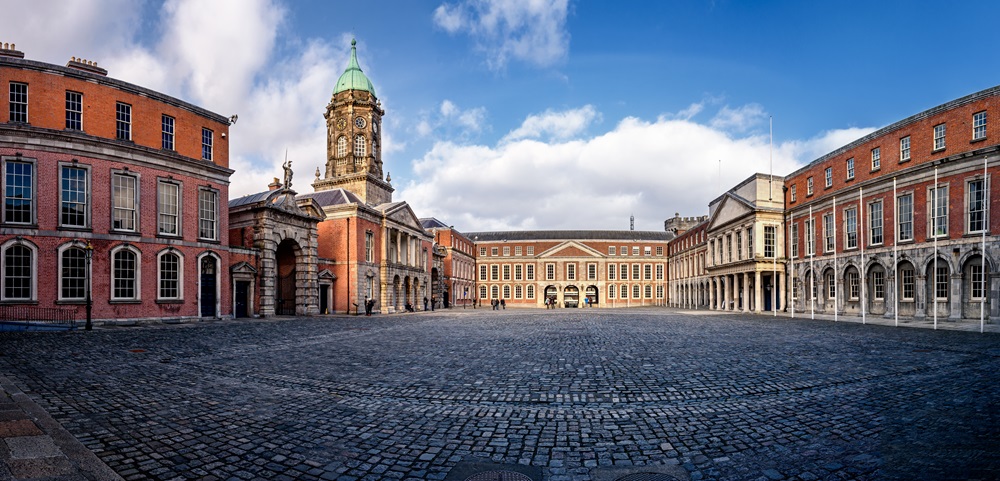

Ireland officially begins its six-month Presidency of the European Union today with a ceremonial launch at Dublin Castle, marking the country's eighth time holding the rotating presidency. The occasion highlights Ireland's commitment to shaping the EU's legislative and political agenda during a period of significant international challenges.
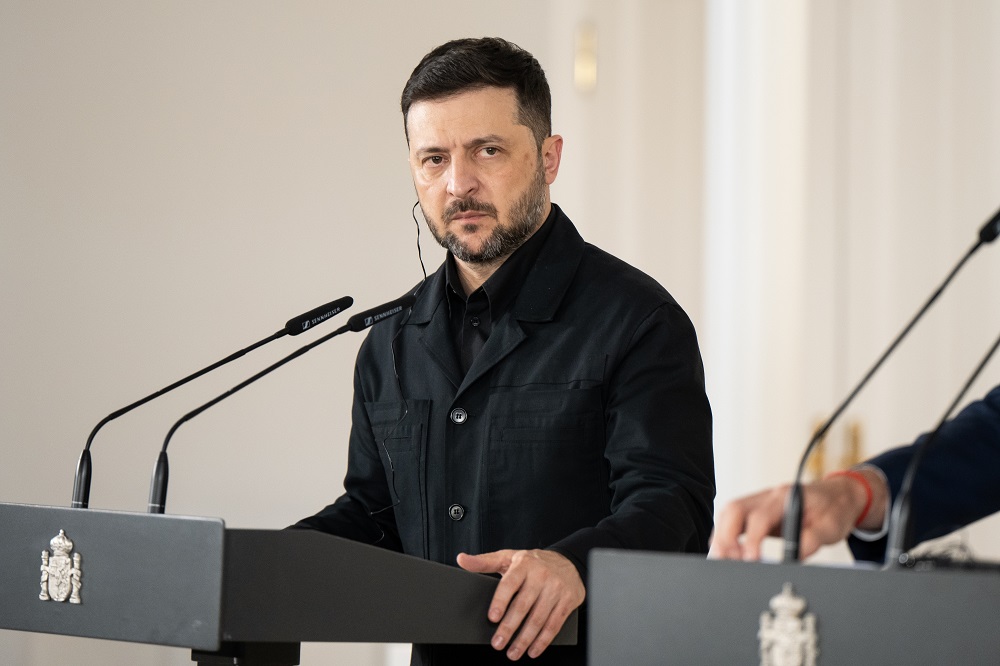
Taoiseach Micheál Martin will host the opening ceremony, welcoming President of the European Council António Costa and Ukrainian President Volodymyr Zelensky as special guests. Ahead of the event, Mr Martin is due to hold a bilateral meeting with President Costa at Government Buildings to discuss priorities for the presidency and cooperation between Ireland and the European Council.
The ceremony will bring together a wide range of distinguished guests, including former Taoiseach, current and former Irish Members of the European Parliament, former Irish European Commissioners, and the current European Commissioner for Justice, Democracy and the Rule of Law, Michael McGrath. Ambassadors from the other 26 EU member states, members of the Cabinet, TDs, diplomats and other dignitaries will also attend.
During the event, the EU and Ukrainian flags will be raised, symbolising Europe's continued solidarity with Ukraine.
Speaking ahead of the launch, Mr Martin described the presidency as an important milestone for Ireland and outlined the Government's key objectives. These include strengthening Europe's competitiveness by creating better conditions for businesses, supporting high-quality employment, protecting democratic values, and improving security for European citizens.
Support for Ukraine will remain a central priority throughout Ireland's presidency. The Taoiseach reaffirmed Ireland's commitment to standing alongside Ukraine and stressed that increasing pressure on Russia through continued sanctions would remain a focus of discussions with European partners.
Speaking on RTÉ's Morning Ireland, Mr Martin said Ukraine could, in theory, become a member of the European Union while still engaged in conflict with Russia, provided it meets the accession criteria. However, he emphasised that negotiations would continue on a merit-based approach while expressing hope for an end to the war, describing the ongoing loss of life as deeply tragic.
The presidency will involve an extensive programme of meetings across Ireland. Over the next six months, the Government will host 22 informal ministerial meetings, an informal European Council meeting, and a summit of the European Political Community, which brings together leaders from both EU and non-EU European countries.
Minister of State for European Affairs Thomas Byrne said the Government is determined to deliver a successful presidency that strengthens Ireland's influence internationally while producing meaningful outcomes for citizens across Europe.
Minister for Foreign Affairs Helen McEntee also highlighted the presidency's priorities, including improving Europe's economic competitiveness, strengthening security, defending shared democratic values, and creating a safer online environment for children.
Ireland assumes the presidency at a time when the European Union faces major geopolitical and economic challenges, including Russia's ongoing invasion of Ukraine, instability in the Middle East, and growing pressure to enhance Europe's competitiveness. The Government says its objective over the coming six months is to help deliver practical solutions that benefit both Ireland and the wider European Union.