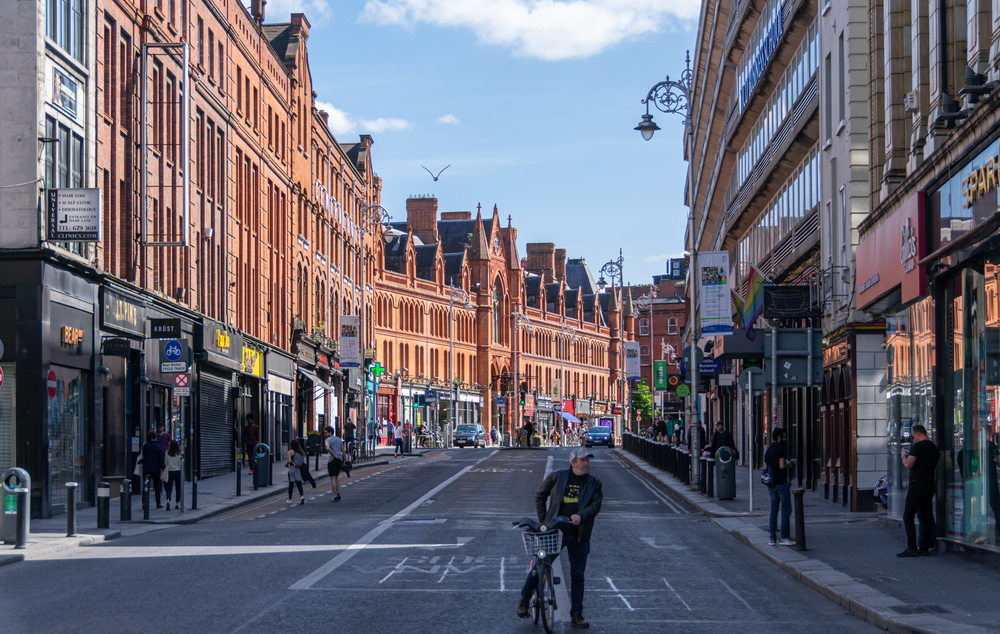

Dublin's hotels have been named among the most profitable and best-performing in Europe, with new figures showing the capital is enjoying record demand despite fresh debate over the future of its nightlife.
A new report from Savills Ireland found that hotels in Dublin achieved an average revenue per available room (RevPAR) of €148 in the 12 months to April, with occupancy reaching an impressive 84.1%.
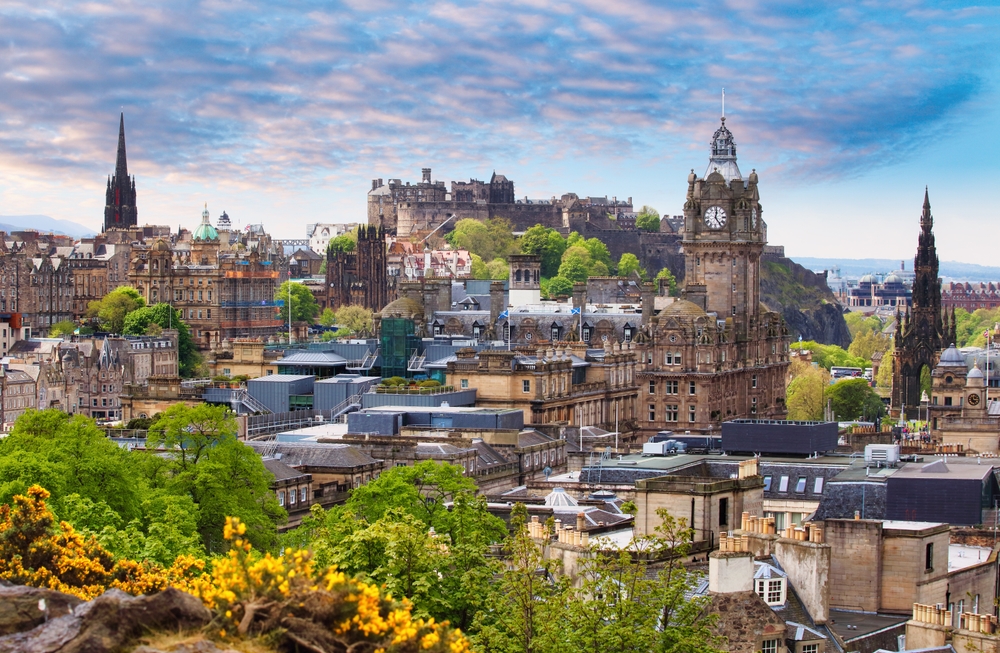
The figures place Dublin well ahead of the European average occupancy rate of 71.7%, with only Edinburgh recording a slightly higher occupancy level at 85%.
The Irish capital also outperformed major tourism hubs including London, Barcelona, Madrid and Amsterdam.
According to Tom Barrett, Director of Hotels & Leisure at Savills Ireland, the city was effectively full for much of the past year.
"Dublin hotels were effectively full for four in every 10 nights over the past year, helping cement Ireland's position as one of Europe's strongest-performing hotel markets."
The report found Dublin recorded 146 compression nights—hotel industry terminology for nights when occupancy exceeds 90%—representing around 40% of the year. That was more than any other major European city, highlighting strong demand from both business and leisure travellers.
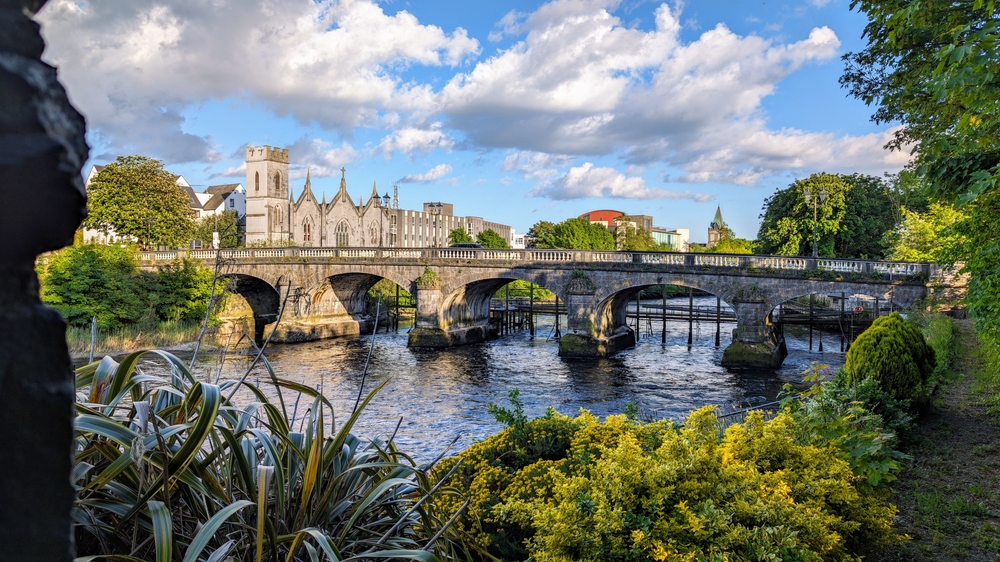
Savills said Ireland's hotel success extends beyond the capital, with strong RevPAR growth also recorded in Kilkenny, Galway, Cork, Derry and Waterford.
The report credits the country's continued success to a combination of strong international tourism, resilient corporate travel, major sporting events and concerts, as well as growing interest in regional destinations.
It also highlights the importance of the US market, with American visitors accounting for around 20% of overseas tourists while generating 41% of international tourism spending.
Barrett said the country's diverse visitor base gives it an advantage over many competing destinations.
"What makes Ireland's performance particularly impressive is that it isn't driven by a single factor."
"Strong business travel, international tourism, major concerts and sporting events and the Wild Atlantic Way all play an important role, but equally important is the depth and diversity of demand across the market."
The findings come as Dublin's hospitality sector continues to grapple with balancing tourism growth and the city's nightlife.

Earlier this week, Yamamori Izakaya confirmed it will end its popular late-night DJ and nightclub events from 19 July following a lengthy legal dispute with the neighbouring Hoxton Hotel over noise complaints.
In a joint statement, Yamamori and Trinity Hospitality, which operates the hotel, said they had reached a "mutually beneficial" agreement allowing both businesses to continue operating alongside one another. The restaurant will remain open until the end of the year, while plans for a new venue are expected to be announced in the coming weeks.
The decision sparked disappointment among many in Dublin's nightlife community, with DJs and patrons criticising the loss of one of the city's best-known late-night venues.
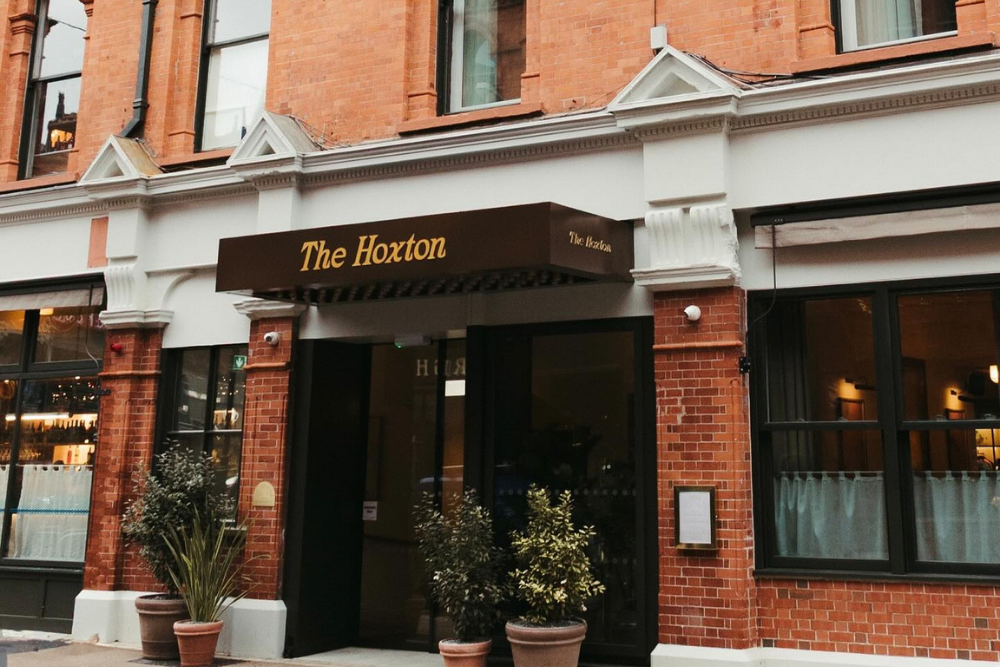
The dispute centred on claims by Trinity Hospitality that noise from the venue had forced the closure of hotel rooms and resulted in losses of up to €300,000, while Yamamori defended its long-established programme of live DJs.
The contrast between a booming hotel sector and growing concerns over the loss of nightlife venues has reignited debate about how Dublin can continue to expand its tourism industry while preserving the cultural attractions that make the city appealing to visitors in the first place.