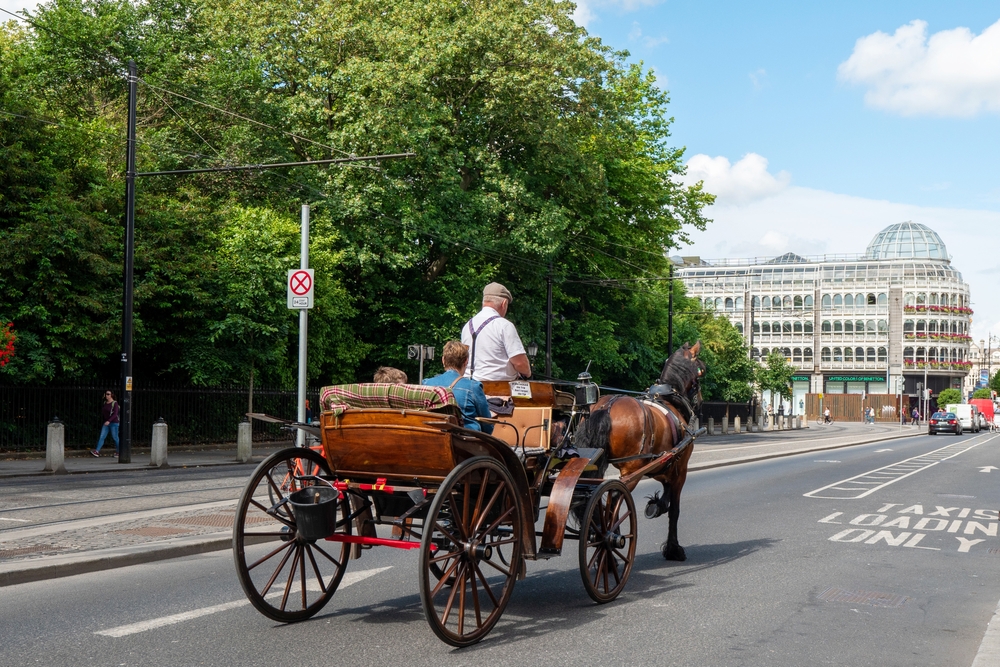

Sinn Féin has introduced new legislation aimed at regulating Dublin’s horse-drawn carriage industry, describing the current situation as a “wild west” with concerns over animal welfare, safety and unlicensed operators.
The Local Government (Control of Horse Drawn Carriages) Bill has been introduced by Sinn Féin TDs Máire Devine and Mark Ward.
The party says Dublin’s traditional horse-drawn carriage industry has been left in a legal grey area for more than seven years, with outdated legislation making it difficult for Dublin City Council to properly regulate operators.
Mark Ward said Dublin has a “long-standing cultural tradition of proper urban horsemanship” which dates back centuries in areas including the south inner city and the Liberties.
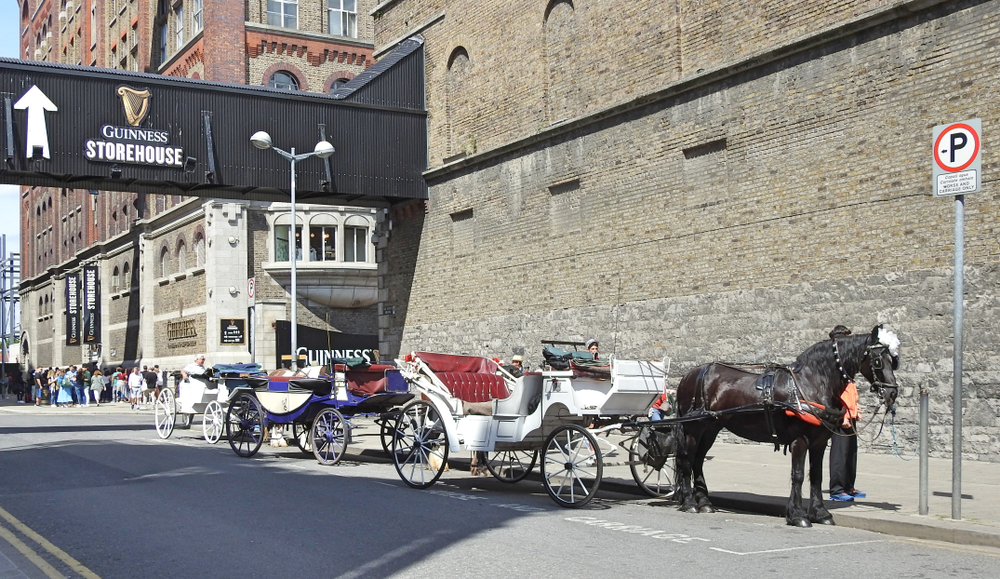
However, he said that tradition is being undermined by gaps in the law.
He said previous licensed carriage drivers who meet Dublin City Council’s standards are now working alongside unlicensed operators.
“This has led to a wild west situation, where unregulated, irresponsible carriage drivers are operating in our city,” he said.
Traditional horse-drawn carriage drivers, also known as jarveys, have previously called for clearer regulations amid complaints from residents, tourists and animal welfare organisations.
Máire Devine said there has been a “legal lacuna” for more than seven years, with enforcement of Dublin’s horse carriage industry currently “conflicting, outdated, inconsistent and inadequate”.
The problem dates back to a review of the legislation in 2018, which found that Dublin City Council did not have the legal power to regulate horse-drawn carriage operators under legislation dating back to 1853.
Devine said horse-drawn carriages in Dublin are currently governed by three Victorian-era Acts which effectively prevent the council from introducing and enforcing modern rules around licensing, safety and insurance.
She said this puts passengers, pedestrians and motorists “in peril”.
The new Bill would repeal the 1853 Dublin Carriage Act and subsequent amending legislation from the 1850s.
If passed, there would then be a 90-day period to allow new bylaws to be introduced covering the operation of horse-drawn carriages in Dublin.
The proposed regulations would include requirements to ensure operators are reputable and meet safety standards.
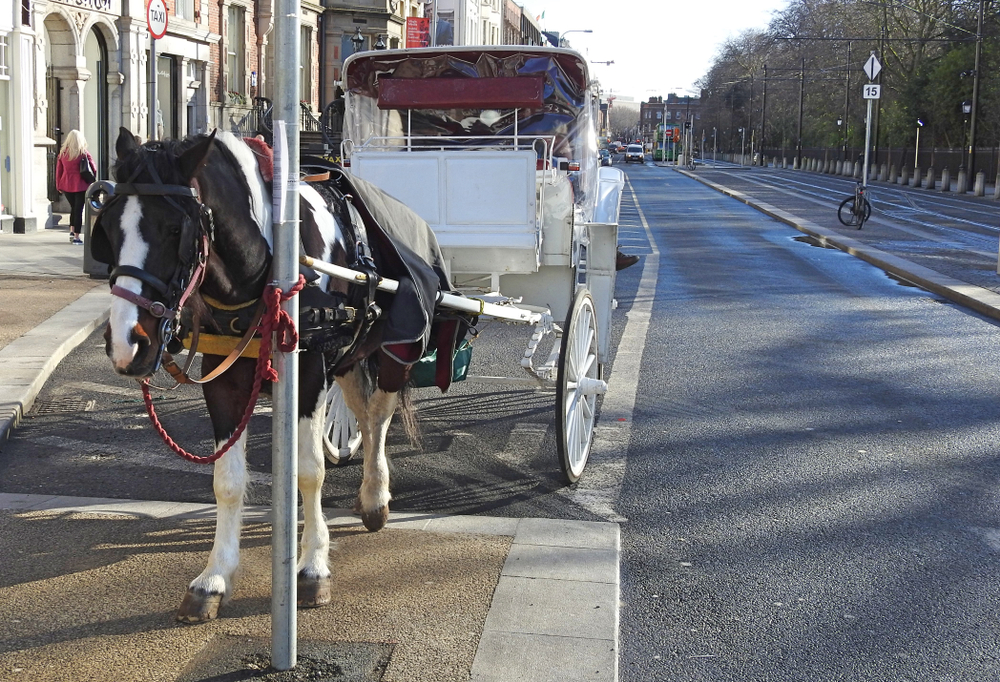
The legislation would also address the disposal of horse manure, which has become a particular issue in parts of Dublin.
Devine said residents and the 1.5 million visitors to the Liberties area are dealing with “streets full of dung” after Dublin City Council stopped accepting horse manure for disposal last year.
She also raised concerns about antisocial behaviour and the alleged mistreatment of horses by unlicensed operators.
The legislation has not been opposed by the Government, although it must first go through the lottery system for Private Members’ Bills before it can be debated.
The Department of Transport has said it expects a draft general scheme for legislation covering horse-drawn carriages to be ready by the end of 2026 or early 2027, following consultation with stakeholders.
The National Society for the Prevention of Cruelty to Animals has also called for changes to the law, saying animal welfare should be the “primary consideration” in future decisions affecting the industry.
The organisation has called for stronger welfare protections and greater oversight, while also supporting a phased removal of horse-drawn carriage operations.
It said modern urban environments are “increasingly incompatible with the welfare needs of horses”.
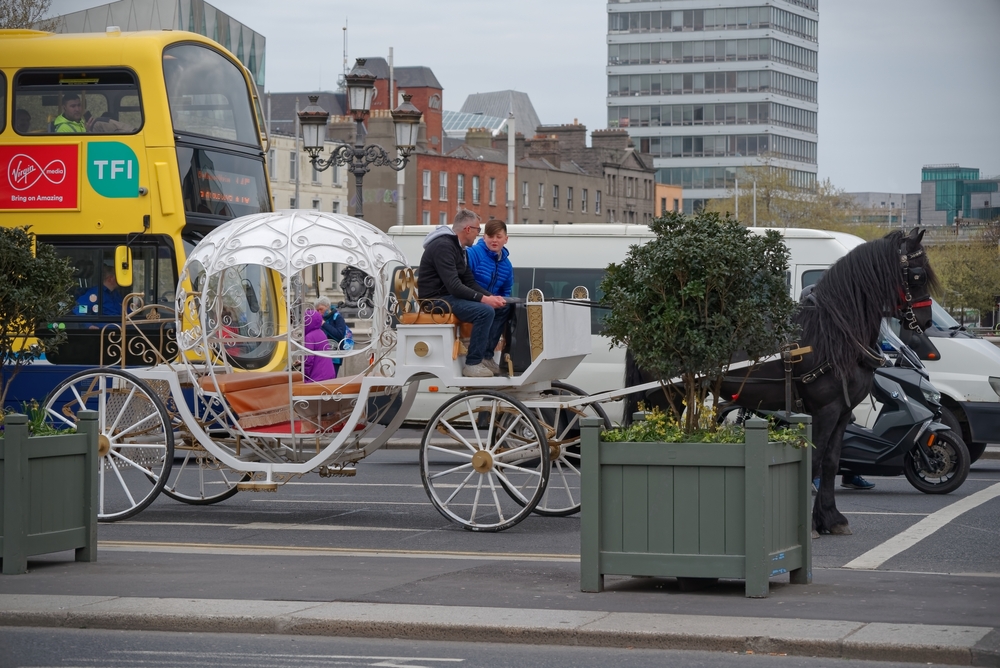
Ward also pointed to concerns about the treatment of horses in busy areas of Dublin.
He referenced a social media video from April showing what he described as a “terrifying video of a terrified horse going down O’Connell Street during rush hour”.
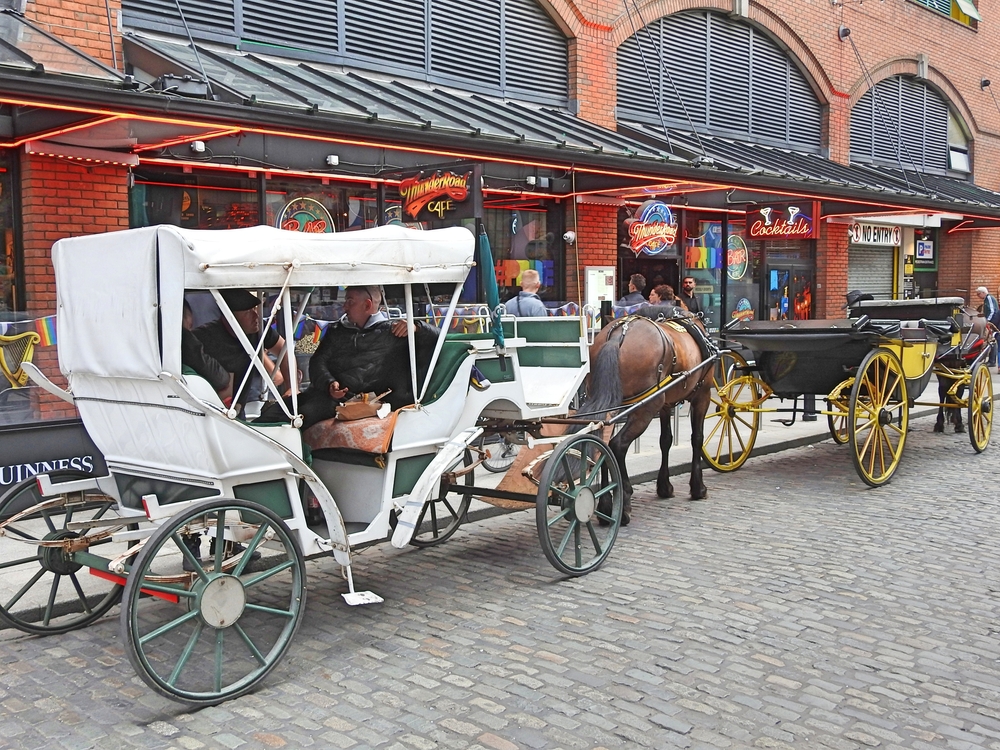
He also claimed that tourists have been overcharged by some carriage drivers and said it was not uncommon to see horse-drawn carriages in the Temple Bar area late at night carrying intoxicated tourists.