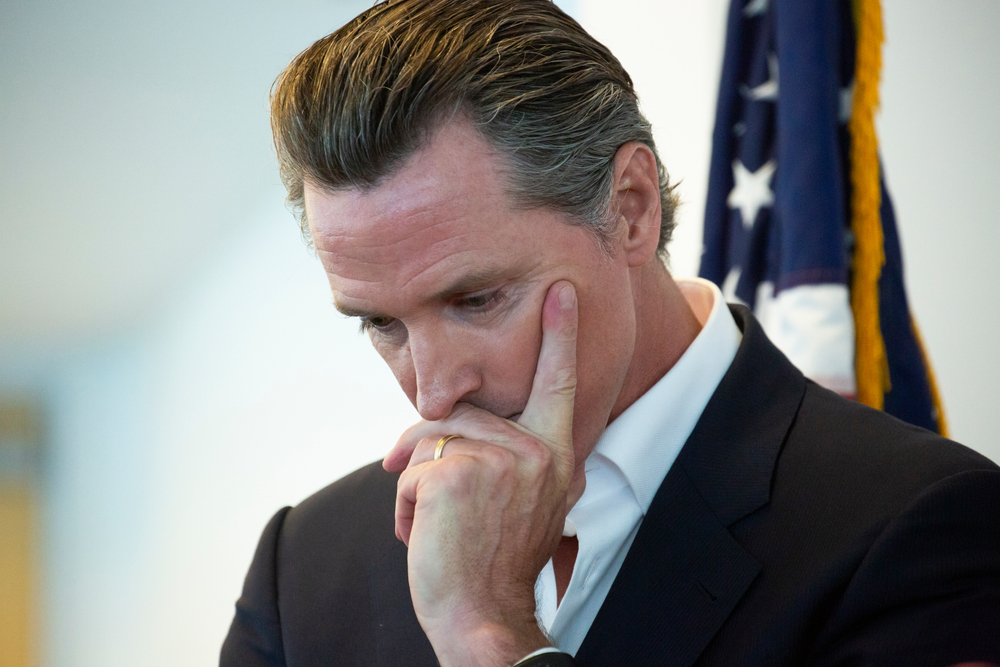

California Governor Gavin Newsom has commuted the death sentences of all 548 inmates on death row in the state, changing their punishments to life in prison without the possibility of parole.
Newsom announced the decision in a letter, saying he was exercising his constitutional authority to spare the inmates from execution.
Describing it as a difficult but necessary move, the Democratic governor said he believed the death penalty was incompatible with California's values and undermined the foundations of its legal system.
"I firmly believe that state-sanctioned killing is incompatible with California's values, undermines the foundations of our legal system and diminishes each of us," he wrote.
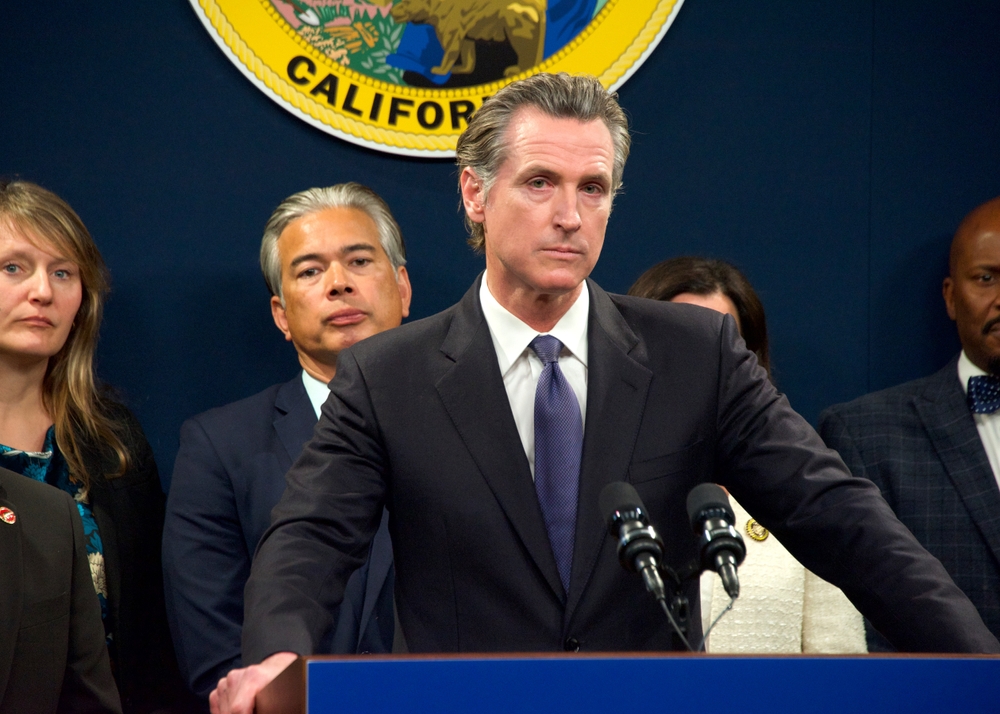
He acknowledged that the decision would anger some Californians, particularly those who believe people responsible for brutal crimes deserve the death penalty.
However, he said he had concluded that "the state cannot morally kill them" and argued that California's system for administering capital punishment had failed, pointing to the risk of innocent people being wrongly convicted.
Newsom also described life without the possibility of parole as the most severe punishment he could lawfully impose and ethically enforce.
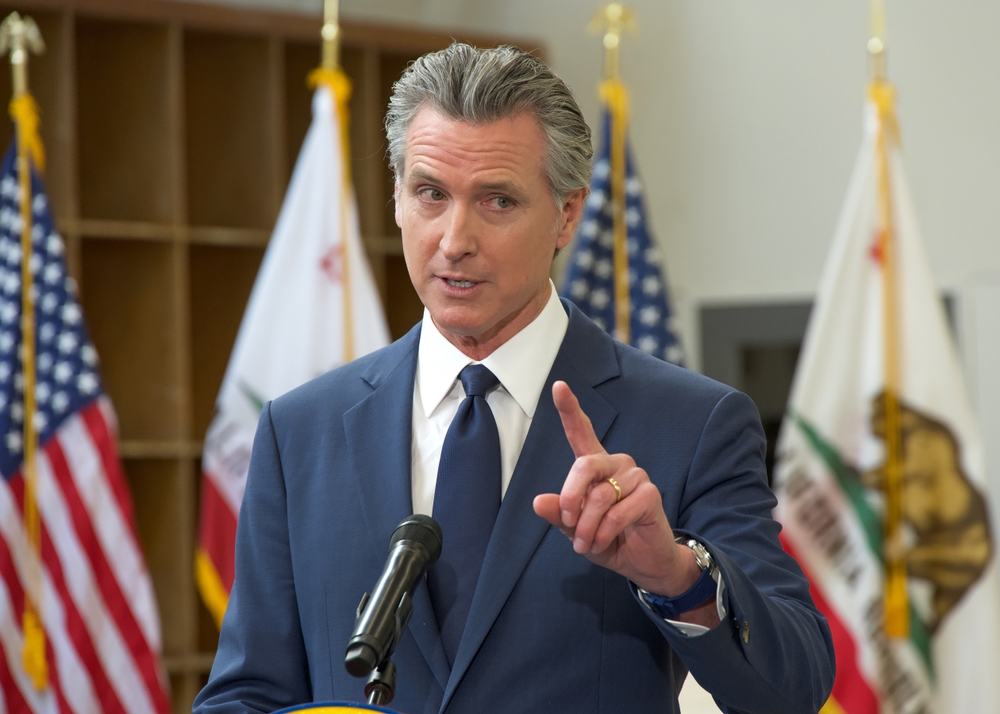
The decision is largely symbolic, as California has not carried out an execution since 2006. Newsom previously ordered a halt to executions in the state in 2019, although the death penalty remains legal.
California has historically had the largest death row population in the US. Only 13 inmates have been executed in the state since voters reinstated capital punishment in 1978. Experts have also suggested that commuting the sentences could save millions of dollars in legal costs each year.
The announcement has received mixed reactions. Anthony D Romero, executive director of the American Civil Liberties Union, welcomed the decision, describing the death penalty as a racist, error-prone and inhumane punishment.
However, Los Angeles County's top prosecutor Nathan Hochman pointed out that Newsom's decision does not abolish capital punishment in California. He said only the state legislature or voters could do that, adding that Californians had twice rejected ballot initiatives to abolish the death penalty.
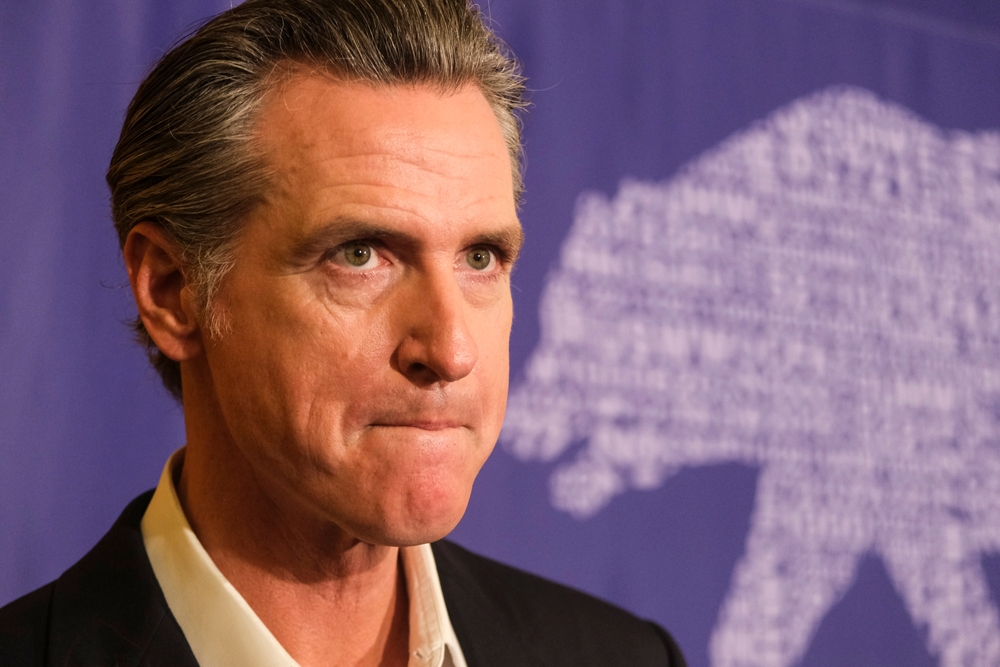
Newsom's move comes at a time when executions are increasing across the US. It also follows the high-profile botched execution of Christa Pike in Tennessee in September.
The decision has also attracted attention because of Newsom's potential political ambitions.
The governor, who is approaching the end of his second term, has been discussed as a possible Democratic contender in the 2028 presidential election.
Bernard E Harcourt, a law and civil liberties professor at Columbia University, told the BBC that taking an abolitionist position could appeal to voters, despite the continued popularity of the death penalty among some Americans.
He compared Newsom's position to former French president François Mitterrand, who campaigned against capital punishment before being elected in 1981.
At a federal level, the death penalty remains supported by President Donald Trump, who reinstated federal executions during his second term in 2025.
Capital punishment is currently legal in 27 US states, while 23 states and Washington DC have abolished it.