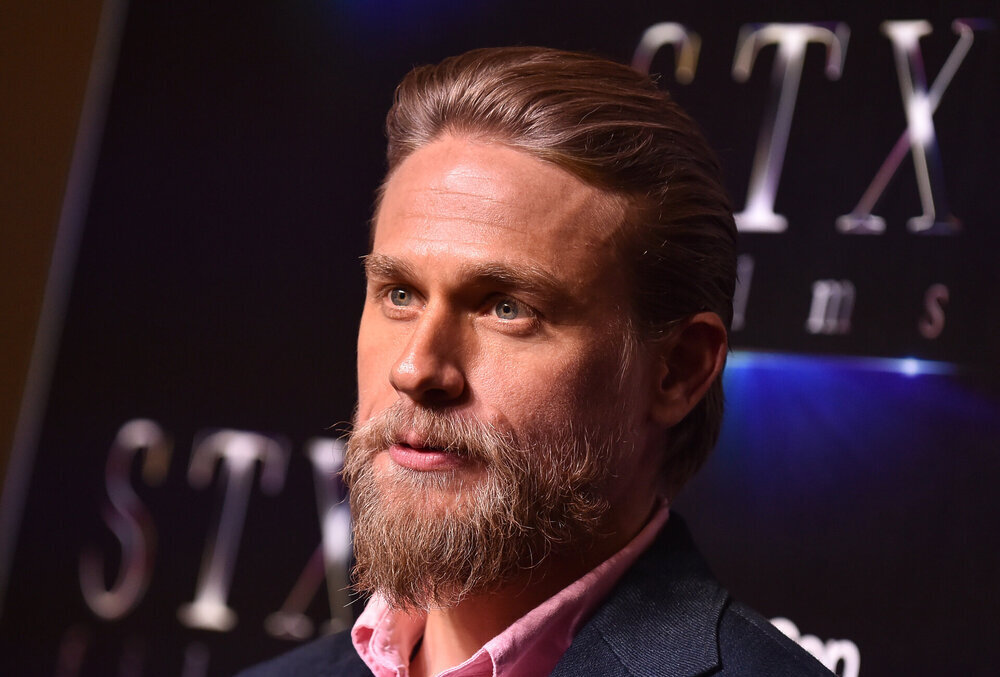
At the heart of his approach was a 70-minute police interview tape from the night of Gein’s arrest — a recording that even Netflix’s best researchers couldn’t obtain. Hunnam got hold of it to inform his accent, speech patterns and vocal timbre. It became a key reference point: “Our best researchers couldn’t get it … Charlie got it, because he’s Charlie and he does crazy shit.” The director compared the resulting voice to a mix between Mark Rylance in Jerusalem and Michael Jackson, suggesting a texture that’s both quiet and unnerving.
But voice wasn’t just about tone — it was also about psychology and relationship dynamics. Hunnam believed much of Gein’s voice was shaped by his desire to please his domineering mother, so he wove that into the vocal performance. He focused less on replicating horror and more on the emotional gradients behind each line — the fear, longing, restraint, and fractured humanity.
He also admitted the role came with real inner turmoil. “Once I said yes to this, I thought I’d made a horrible mistake … I fell into a full panic,” he said, referencing the darkness he needed to channel. Ultimately, his immersive voice work became part of a larger transformation — which included dropping 30 pounds — to physically and emotionally embody Gein.
The result? A voice that refuses to be a caricature, instead hauntingly intimate, layered, and distinct — the sound of a man whose true horror lies in how closely you might hear his humanity.