
Home renovations can be a great way to make a property more comfortable and add value, but experts warn that some changes could actually make a home harder to sell.
Certain renovations can reduce a property's appeal, leave potential buyers thinking about the cost of putting things back and, in some cases, mean homeowners spend far more than they will ever recoup.
Jordana Ashkenazi, Founder and Design Director of Element One House, said homeowners should think differently depending on how long they plan to stay in the property.
“If this is genuinely your forever home, then absolutely do what you want. Wallpaper the ceiling, have a red kitchen, create the bathroom of your dreams...”
However, she said anyone who might sell in the short or medium term should consider how their choices will be viewed by future buyers.
“But if there is even a chance you might sell in the short or medium term, you do have to think about the next person through the door. You want buyers imagining themselves living there, not mentally pricing up how much it’s going to cost to undo everything you have done.”
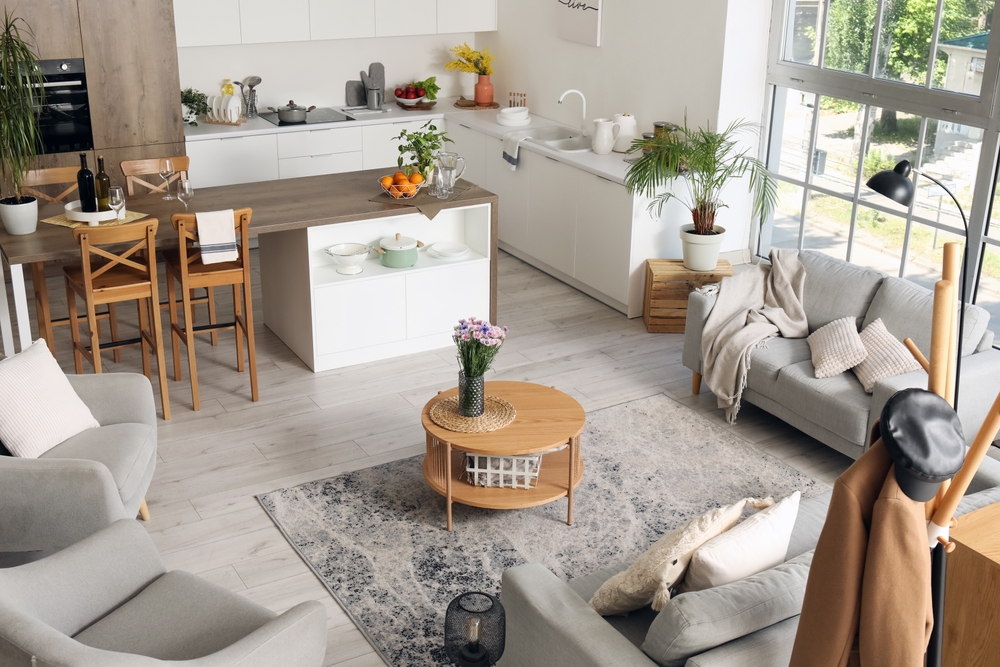
One renovation experts warn against is chopping up a property's layout with unnecessary walls. While separate rooms can be useful, creating more rooms does not necessarily make a house feel bigger.
Jordana said: “Buyers still love open, light filled living spaces. Yes, acoustics and separation matter, but more rooms don't automatically equal more house.”
Period properties also need particular care. Original fireplaces, cornicing, doors and floorboards can be among a home's biggest selling points, so removing them could strip away much of its character.
Replacing original windows with cheap uPVC can also have an impact. Poorly proportioned replacement windows can undermine the exterior of an otherwise carefully renovated property.
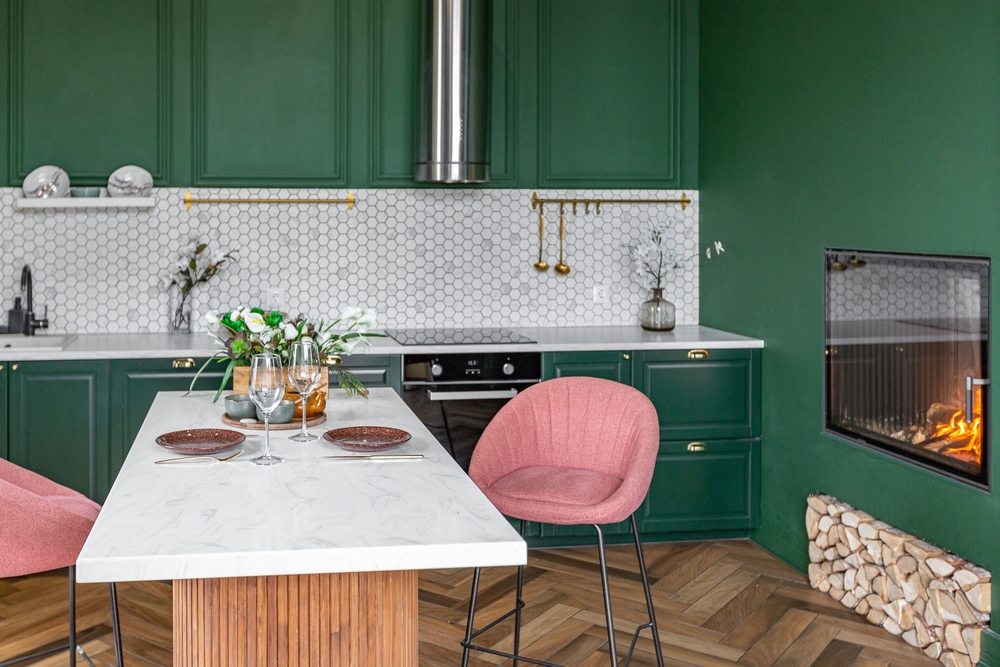
Highly personalised kitchens and bathrooms are another potential problem. While bold colours and distinctive designs can look fantastic, these are among the most expensive rooms to replace, meaning strong design choices could put off buyers.
High-gloss kitchens and other ultra-trendy finishes can also date quickly. For expensive features intended to last for years, more timeless materials may be a safer option.
The same applies to going all-in on grey. While grey can be a classic choice, covering every room and surface in the same shade can make a home look tied to a particular period or trend.
Homeowners should also think twice before removing their only bath. A large walk-in shower may be ideal for some people, but having no bath at all could make a family home less attractive to buyers with young children.
Turning a bedroom into a permanent dressing room can have a similar effect. While a dedicated dressing room may be appealing, losing an entire bedroom could make the property less attractive to people searching for homes based on bedroom numbers.
Bespoke joinery can add character and useful storage, but too much elaborate or highly personalised cabinetry could be difficult for future buyers to look beyond, particularly if it takes up valuable floor space.
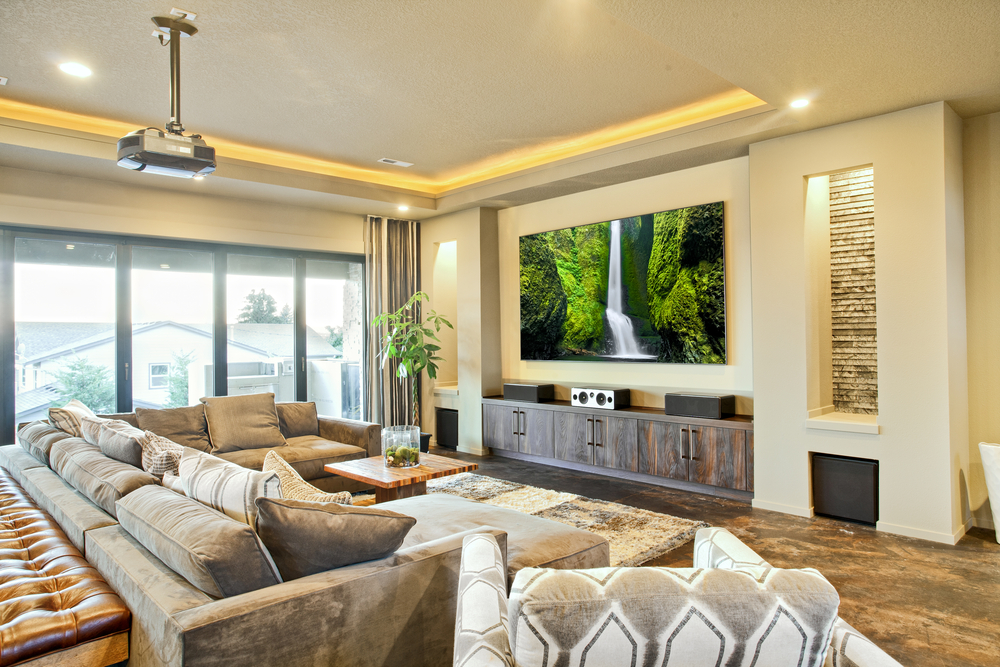
Giant media walls and oversized televisions are another trend that may not age well. A huge media wall can become the dominant feature of a room and may be expensive or difficult to remove if tastes change.
Open kitchen shelving can look stylish, but replacing too many cupboards with shelves can sacrifice practical storage. While it may look good when carefully arranged for photographs, everyday kitchens need somewhere to put the less attractive necessities.
Minimalist interiors can have a similar problem. A pared-back home may look impressive, but everyday life comes with clutter, meaning a lack of practical storage could become an issue for both homeowners and potential buyers.
Flooring is another area where cutting costs can backfire, particularly in an expensive property.
The expert warned: “Please think twice before ripping up beautiful original timber and replacing it with something pretending to be timber.”
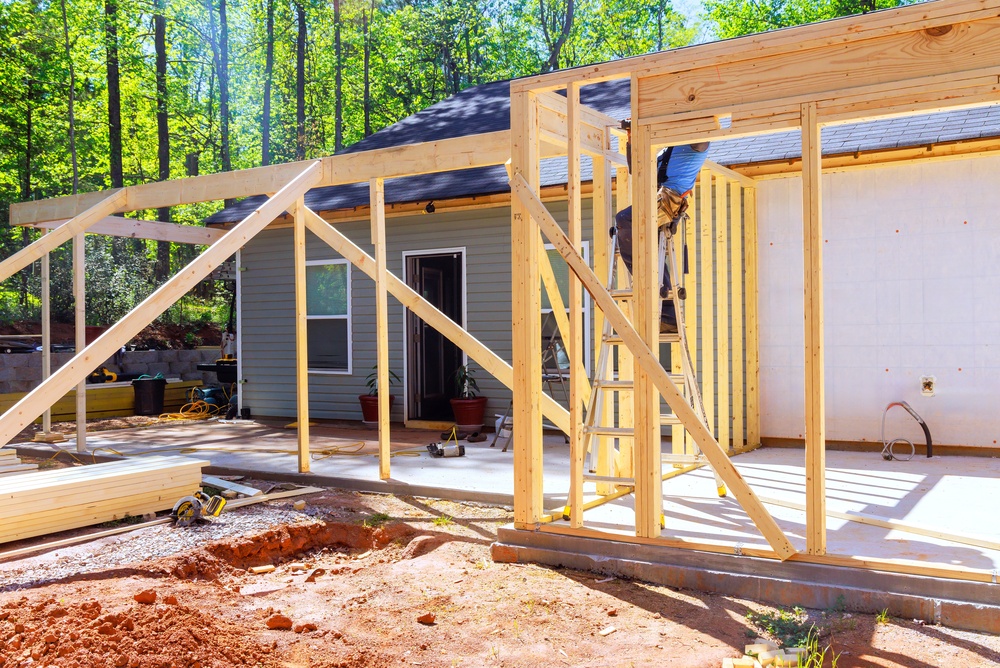
Poorly designed extensions can also cause problems. An extension should improve the way a property works rather than simply add extra floor space. If it affects natural light, flow or the relationship between the new and original parts of the house, it could ultimately reduce the home's appeal.
Before removing walls to create an open-plan space, Jordana advises homeowners to think about how the room will actually function.
“Before knocking down a wall, ask a revolutionary question. Where will the sofa go? Where will the television sit? Where does the artwork hang?”
The front of the property matters too. A dramatic change to the exterior can make a house look more modern, but if it clashes with the original architecture, it could put buyers off before they even enter.
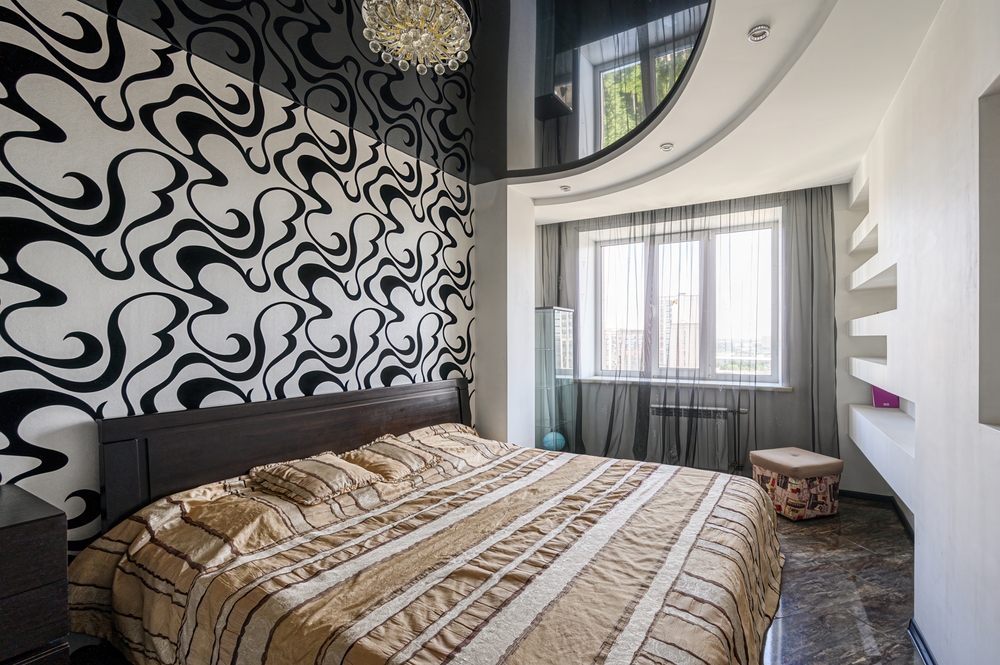
Bold wallpaper and strong wall designs can transform individual rooms, but using busy patterns and saturated colours throughout an entire house can make it harder for prospective buyers to imagine the property as their own.
Concreting over the front garden can also affect kerb appeal. Off-street parking is valuable, particularly in cities, but covering the entire front garden with paving can make a property feel harsh and uninviting.
Lighting is another detail that can easily be overcomplicated.
Jordana said: “I’ve walked into homes with so many switches that you need an induction course before turning on the sitting room.”
Rows of downlights across every ceiling can also have an unwanted effect. Instead of making a home feel modern, excessive downlighting can create a clinical atmosphere rather than a warm and comfortable one.
The overall message for homeowners is not that they should avoid putting their own stamp on their property. If you are planning to stay for decades, personal taste should be a major factor in how you renovate.
But if selling is a possibility, making expensive and highly personal changes could leave you with a home that future buyers see as a project rather than their next home.