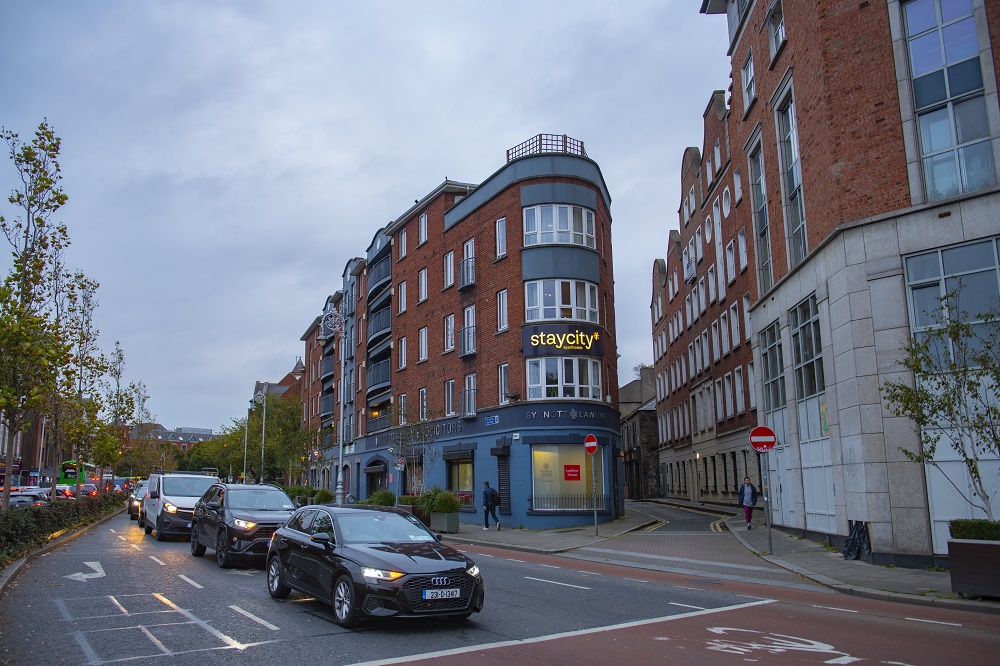

Drug-related deaths in Dublin’s south-west inner city (SWIC) are running at twice the national average, according to a major new report that highlights deep-rooted social and economic challenges across the area.
The study, led by Barra Roantree of Trinity College Dublin, paints a stark picture of life in parts of the capital, with high crime levels, low educational participation and poor health outcomes all contributing to what campaigners describe as a cycle of deprivation.
One of the most concerning findings relates to drug use and mortality.
The report found that drug poisoning deaths per capita in the SWIC are at least double the national average, with 22 deaths recorded in the Dublin South City Local Health Office area in 2021. The mortality rate is also a third higher than the wider Dublin average.
The south-west inner city — which includes areas such as the Liberties, Rialto, Kilmainham, Inchicore and Dolphin’s Barn — is home to a disproportionate level of disadvantage.
While it contains just a quarter of Dublin’s inner-city population, it accounts for nearly half of those classified as extremely or very disadvantaged.
Crime levels in the area are also significantly elevated.
In the Kevin Street District, which largely overlaps with the SWIC, there were 106.7 crimes per 1,000 people in 2024, compared to a national average of 40.4 per 1,000. The report also found that serious crimes increased by 21% since 2023, while public order offences rose by 51%.
The economic impact of crime is substantial, with estimates suggesting it costs at least €60 million per year in the district — including €21 million on policing, €10 million on prisons, and €30 million in wider social and economic costs.
Education outcomes are another major concern.
Just 36% of students who sat the Leaving Certificate in 2024 progressed to third-level education — less than half the national average. The report notes that improving progression rates could see students earn an additional €100,000 after tax over their lifetime, while generating €1.8 million in extra tax revenue for the State.
Health and wellbeing indicators also lag behind national figures. The study found that 92% of secondary school students and 78% of primary school students in the area are not meeting government and World Health Organisation physical activity guidelines, with a lack of facilities cited as a key barrier.
Despite having 60% more addiction services per capita than the Dublin average, the area continues to experience disproportionately high levels of drug-related harm.
The report’s author said the findings present “a compelling case for additional targeted investment”, pointing to similarities with Dublin’s north-east inner city (NEIC), which has benefited from a dedicated regeneration programme since 2017.
“Given the parallels, there is a compelling case for the development of a similar initiative for the SWIC,” Roantree said.
Community leaders have echoed those calls, warning that the situation could worsen without urgent action — particularly as the population is expected to grow. An estimated 5,000 additional residents are due to move into the area over the next two years.
JJ O’Mahony, chair of Sporting Liberties, said: “Without a clear strategic plan and substantial investment from state bodies, there is a strong risk of a serious negative impact for a community already facing incredibly difficult social and economic challenges.”
He added: “This report offers an opportunity to focus on specific areas identified where investment has the potential to yield enormous future benefits.”
Campaigners are now calling for a dedicated fund and long-term strategy to address poverty, improve education outcomes and tackle crime and addiction in the area, as pressure mounts on policymakers to respond to the findings.