
Dublin Airport is set to experience a significant increase in air traffic during the summer of 2026, with airlines expected to add up to 5,000 additional flights between March and October. This expansion follows a decision by the Irish Aviation Authority (IAA) to allocate an extra 25 take-off and landing slots per day to the airport, aiming to meet growing demand and enhance competition among carriers.
The move comes despite the existing 32 million annual passenger cap, a limit established in 2007 to mitigate local traffic congestion. In 2024, Dublin Airport surpassed this cap by over a million passengers, prompting legal challenges from major carriers like Ryanair and Aer Lingus. These airlines argue that the cap restricts growth and economic benefits, including job creation and increased connectivity. In response, Transport Minister Darragh O’Brien has initiated steps to draft legislation aimed at removing or amending the cap, with the goal of facilitating sustainable growth at the airport.
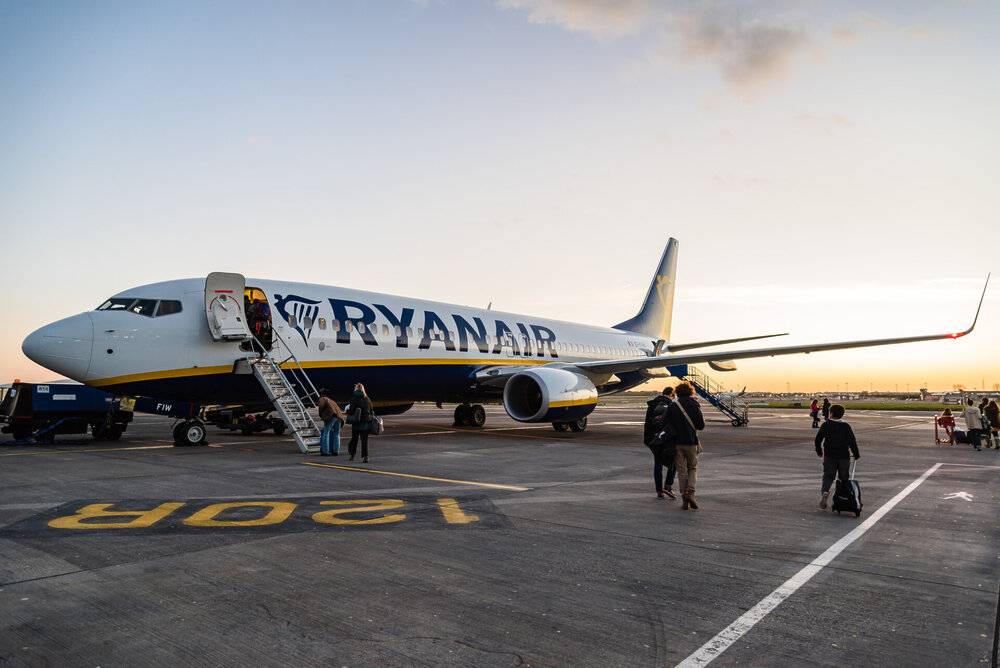
Ryanair, a key player in Dublin's aviation sector, has been actively expanding its operations. The airline has added a new aircraft to its fleet and increased frequencies on several routes, contributing to a 9% growth in traffic at Dublin Airport for the 2025 winter season. Ryanair has expressed support for the additional slots, emphasizing their importance for continued growth and investment in Dublin. However, the airline has also highlighted the need for the removal of the passenger cap to sustain this expansion.
The anticipated increase in flights is expected to bolster Ireland's economy by enhancing tourism and facilitating business travel. However, the expansion also brings logistical challenges. Airport authorities must ensure that infrastructure, staffing, and services can accommodate the additional traffic without compromising passenger experience or safety. Moreover, the potential for increased airfares due to higher demand could impact travelers, particularly during peak periods.
As Dublin Airport braces for the busiest summer season in its history, stakeholders remain hopeful that legislative changes will align with infrastructural developments to support the anticipated growth. The coming months will be crucial in determining how effectively the airport can balance capacity expansion with sustainable operations.
In related developments, Dublin Airport recently welcomed a record number of passengers in September, averaging over 111,000 daily travelers. This surge was partly attributed to the successful staging of the first-ever NFL regular-season game in Dublin, which attracted thousands of international visitors and boosted local tourism and spending.
Looking ahead, Dublin Airport is preparing for a transformative summer in 2026, with expanded flight offerings and increased capacity set to enhance connectivity and support economic growth.