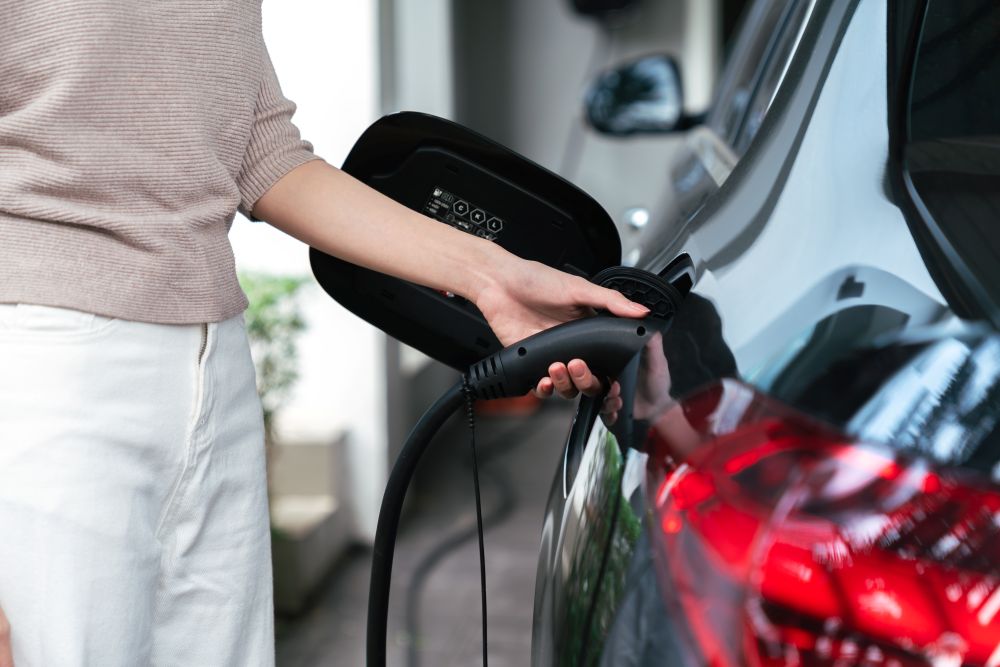

Electric car owners in Ireland are facing a sharp increase in motoring costs after ESB, the country's largest public charging operator, introduced another round of price rises, leaving some drivers paying more to recharge than motorists spend on petrol or diesel.
The latest increases, ranging from 15pc to 18pc, mean the cost of fully charging an average electric vehicle has risen by between €7 and €12. The changes follow further tariff increases introduced in July, bringing the overall rise in public charging costs to as much as 35pc.
Drivers who depend entirely on public charging infrastructure rather than having access to a home charger are expected to be among the hardest hit. Some could face additional annual costs of up to €1,500, significantly reducing the financial benefits traditionally associated with electric motoring.
The increases come despite growing demand for electric vehicles in Ireland. A total of 59,352 new electric cars were registered between the beginning of 2025 and November, putting EVs ahead of petrol, diesel and hybrid models.
However, rising charging costs could threaten that momentum, particularly for motorists living in apartments or properties without private driveways.
The situation is likely to become more challenging during the winter months, when colder temperatures can reduce battery efficiency and driving range. Motorway journeys can also increase energy consumption, potentially forcing drivers to rely more frequently on expensive public charging facilities.
ESB, which operates approximately 1,600 public charging points nationwide, has attributed the latest increases to higher wholesale electricity prices and rising operational expenses.
The company has indicated that customers can reduce some of the additional costs by signing up for a monthly subscription, priced between €4.80 and €7, depending on the option selected.
In a message to customers, ESB said the changes were necessary to support the maintenance and continued expansion of its charging network.
“This adjustment reflects ongoing increases in energy and operational costs and allows us to continue to maintain the network, while also investing in more high-power chargers and expanding availability across the country,” the company said.
It added: “Our goal is to make EV charging as convenient and dependable as possible. This helps us deliver on that commitment.”
The latest tariffs put ESB among the most expensive public charging providers in Ireland, despite its position as the country's largest operator.
Ionity had previously attracted attention for its high charging prices, particularly at its ultra-fast 350kW charging stations.
For motorists without access to cheaper home charging, the latest ESB increases raise fresh questions about the affordability of switching to electric vehicles, particularly as the cost advantage over conventional petrol and diesel cars continues to diminish.