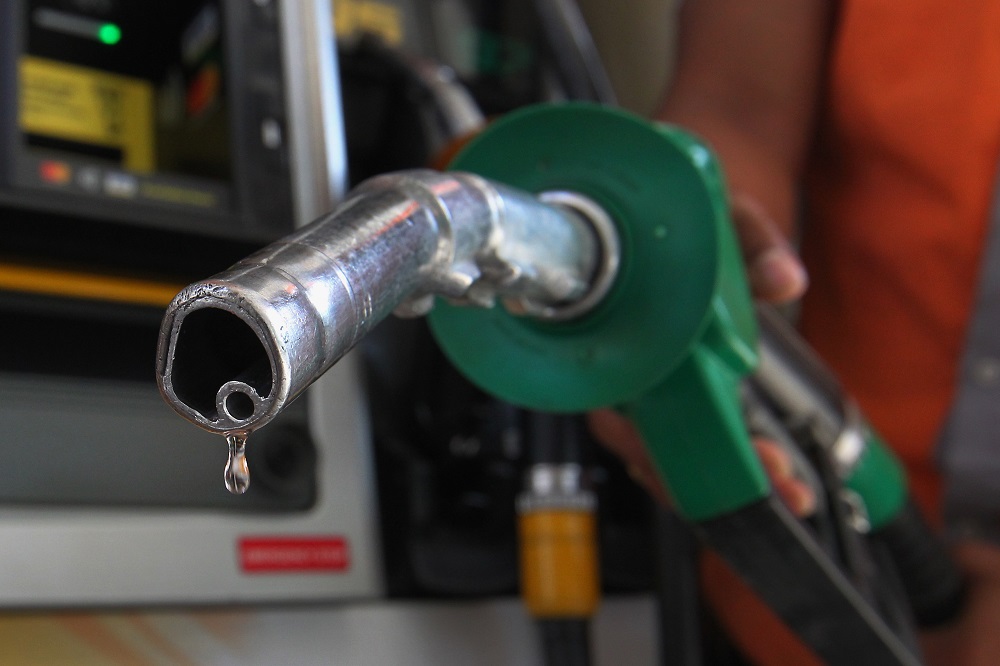

Fuel excise cuts introduced by the Government of Ireland have officially come into effect from midnight, reducing the cost of petrol and diesel for motorists across the country.
What does this entails for Irish consumers at the pump?
The measures, approved by the Dáil Éireann, see excise duty on both petrol and diesel drop by a further 10 cent per litre. This follows an earlier round of reductions introduced last month, bringing the total tax cut to 32 cent per litre for diesel and 27 cent per litre for petrol.
The lower rates apply to any fuel leaving depots from midnight onwards.
However, drivers may not see an immediate drop in prices at the pump. Industry body Fuels for Ireland has warned that “disrupted conditions” in recent days mean some fuel currently arriving at forecourts was purchased under the old, higher excise rate.
As a result, there will be a delay before the full impact is reflected.
The organisation said the reduction is filtering through, but there will be a lag as lower-duty fuel moves through the system. Some stations may update prices quickly, while others could take between 48 and 72 hours, with most expected to reflect the changes by the weekend.
Based on current estimates, the latest cuts should bring average diesel prices down to around €2.04 per litre, with petrol expected to fall to approximately €1.81 per litre.
Recent figures from AA Ireland show that, prior to the changes, diesel had been averaging €2.14 per litre in April, with petrol at €1.91, although prices have been higher at some stations.
However, the overall impact may be partially offset by rising oil prices. Wholesale fuel costs have increased in the days following the Government’s announcement, with Fuels for Ireland noting that diesel prices at wholesale level have risen by around five cent per litre.
When VAT is applied, this equates to an increase of more than six cent per litre at retail level, potentially limiting the visible savings for consumers in the short term.
Oil markets remain volatile. The price of Brent crude recently rose above $100 per barrel before easing back to around $95. Any sustained drop in oil prices should eventually feed through to lower wholesale and retail fuel costs, though fluctuations remain likely.
Despite the tax cuts, fuel prices are still significantly higher than earlier this year. According to AA Ireland, both petrol and diesel were averaging around €1.72 per litre in February. Since then, global oil prices have surged, at one point reaching nearly $120 per barrel, driven largely by geopolitical tensions including conflict in Ukraine and the Middle East.
Even with the latest reductions, diesel remains at least 30 cent per litre more expensive than it was six weeks ago, while petrol is roughly 10 cent higher over the same period.
The excise cuts form part of a wider Government support package valued at over €500 million, introduced following several days of nationwide protests over rising fuel costs.
The demonstrations, which included blockades and slow-moving convoys organised by hauliers, farmers and transport operators, caused significant disruption on major routes and at key infrastructure sites.
Announcing the measures, Taoiseach Micheál Martin said the package was a response to “real pressures” facing households and businesses, while also criticising some protest actions, stating that certain groups had gone beyond legitimate demonstration.
The package includes an extension of reduced excise rates until the end of July, a postponement of a planned carbon tax increase until October’s Budget, and targeted supports for sectors including haulage, farming and fisheries.
The Government said the measures are designed to ease immediate cost pressures while maintaining stability in fuel supply, after concerns were raised about the potential impact of blockades on Ireland’s refining capacity.
For consumers, the key takeaway is that prices are falling, but not instantly and not as sharply as the headline cuts might suggest.