
Born Farrokh Bulsara on September 5th, 1946, he became one of the most recognisable, charismatic and influential frontmen in rock history. With Queen, Freddie created music that crossed genres, broke rules and filled stadiums—and his voice remains every bit as powerful today as it was when these songs were first released. Were he still alive, the Queen front man would have reached his 8th decade this weekend.
To celebrate what would have been a milestone birthday for Freddie, let's take a look back at his extraordinary life and revisit some of the greatest recordings he made, both with Queen and as a solo artist.
Freddie was born on the island of Zanzibar to Parsi-Indian parents, Bomi and Jer Bulsara. He spent much of his childhood in India, where he attended St Peter’s School in Panchgani, near Bombay—now Mumbai. It was there that his musical talent first began to emerge. He took piano lessons, performed in school productions and formed his first band, The Hectics, with a group of classmates.
In 1964, amid the Zanzibar Revolution, the Bulsara family moved to England and settled in Feltham, west London. Freddie later studied graphic art and design at Ealing Art College, graduating in 1969. His artistic training would prove useful: he later designed Queen’s elaborate crest, incorporating the zodiac signs of the band’s four members.
Freddie played with several groups during the late 1960s, including Ibex and Sour Milk Sea, while immersing himself in London’s rapidly changing rock scene.
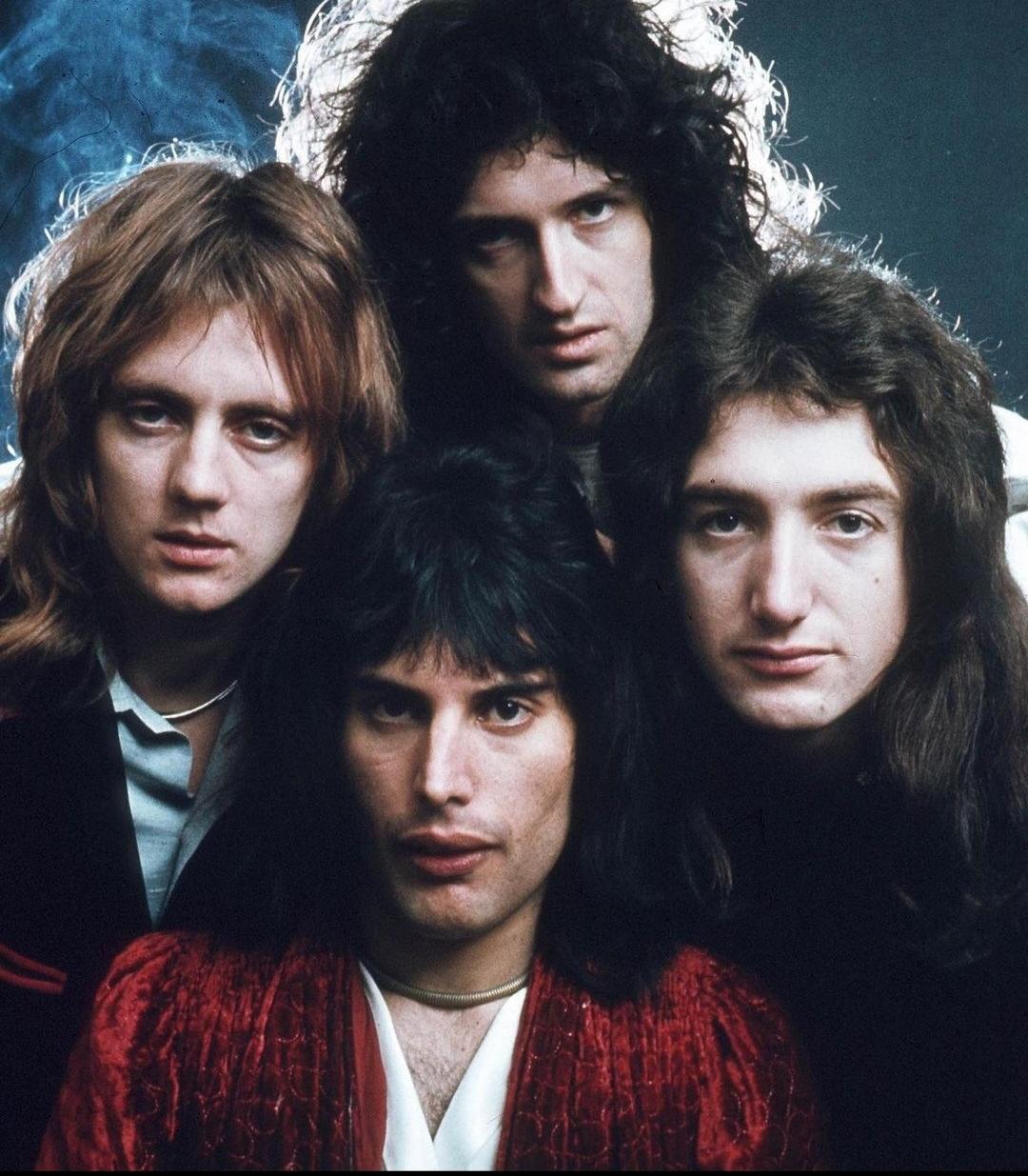 Guitarist Brian May and drummer Roger Taylor were already playing together in a group called Smile. Freddie had become a regular follower of the band and was full of ideas about its music, image and stage presentation. When Smile’s singer and bassist Tim Staffell departed in 1970, Freddie joined May and Taylor. It was Freddie who suggested their new name: Queen. The name was bold, theatrical, memorable and, in Freddie’s own words, “regal”. It fitted perfectly with the kind of band he imagined they could become.
Bass player John Deacon completed Queen’s classic line-up in 1971. The combination was remarkable: four distinctive personalities, four talented songwriters and four musicians capable of building enormously ambitious records together.
Queen released their self-titled debut album in 1973, but it was their third album, *Sheer Heart Attack* (which you can hear IN FULL from the original vinyl this Sunday night at midnight on Radio Nova), that brought the band widespread international attention.
Its biggest hit, “Killer Queen”, offered an early glimpse of everything that made Freddie special: wit, theatricality, sophistication and a melody that immediately lodged itself in the listener’s head.
By 1975, Queen were ready to attempt something on an entirely different scale. Written by Freddie, “Bohemian Rhapsody” combined piano balladry, hard rock, multi-layered harmonies and grand opera in a recording unlike anything else in the charts. At almost six minutes long and with no conventional chorus, it seemed to ignore every rule governing what a hit single was supposed to sound like. It became one of the most famous recordings ever made.
The accompanying promotional film also helped establish a new visual language for music videos years before MTV arrived. “Bohemian Rhapsody” reached number one in the UK and turned Queen into international superstars.
Freddie followed it with another of his greatest compositions, the gospel-influenced “Somebody To Love”. Its vast choir was actually created by repeatedly layering the voices of Freddie, Brian and Roger.
Queen’s music grew alongside the venues they were playing. The band understood how to involve an audience, and Freddie had an almost unmatched ability to make tens of thousands of people feel like active participants in a performance.
“We Will Rock You”, written by Brian May, stripped the idea of a rock anthem down to its essentials: stamping feet, clapping hands and a guitar solo.
It was followed on the album *News of the World* by Freddie’s “We Are The Champions”. The two songs became inseparable—and remain fixtures at concerts and sporting events around the world.
Freddie could move effortlessly between the grand and the playful. “Don’t Stop Me Now”, initially released in 1979, grew over the years into one of Queen’s most universally loved songs.
“Crazy Little Thing Called Love” showed another side of him. Written as a tribute to the rock ’n’ roll of Elvis Presley, it was reportedly composed by Freddie very quickly—and became Queen’s first US number-one single.
## Queen conquer the 1980s
Queen entered the new decade with *The Game*, an album that broadened their sound and gave the band some of its biggest international hits.
Written by John Deacon, the unmistakable bass-driven “Another One Bites The Dust” became a massive success and proved Queen could absorb influences from funk and disco without losing their identity.
In 1981, an impromptu studio collaboration with David Bowie produced “Under Pressure”. The song paired two of rock’s most distinctive voices and delivered one of music’s most instantly recognisable basslines.
Queen returned to enormous international success in 1984 with *The Works*. Roger Taylor’s “Radio Ga Ga” became one of the band’s great live moments, with entire stadiums copying the double handclap seen in its video.
John Deacon’s “I Want To Break Free” came with one of Queen’s most memorable videos, featuring all four members dressed as characters from the British soap opera *Coronation Street*.
Freddie, complete with wig, leather skirt and vacuum cleaner, naturally stole the show.
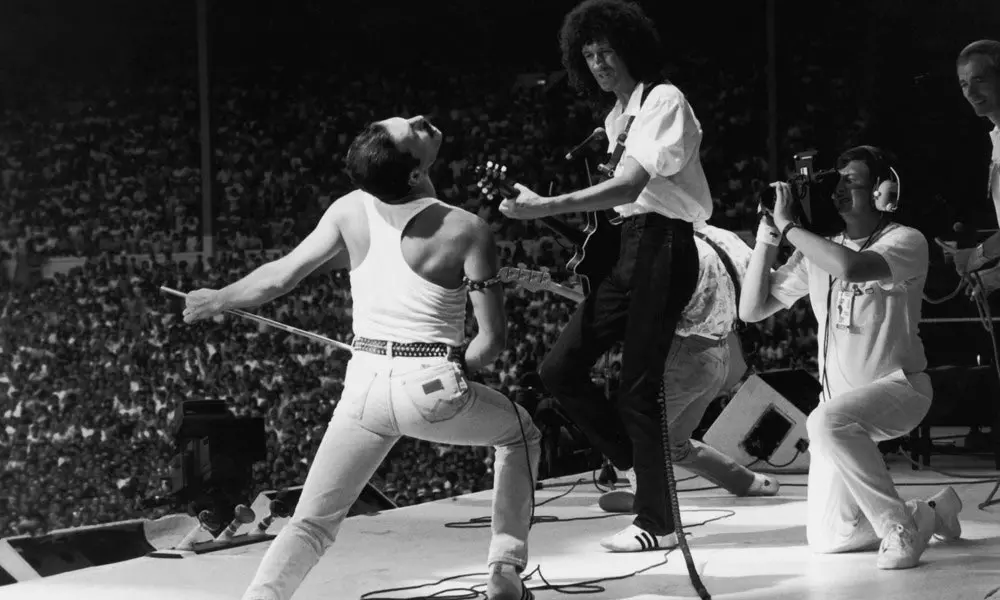
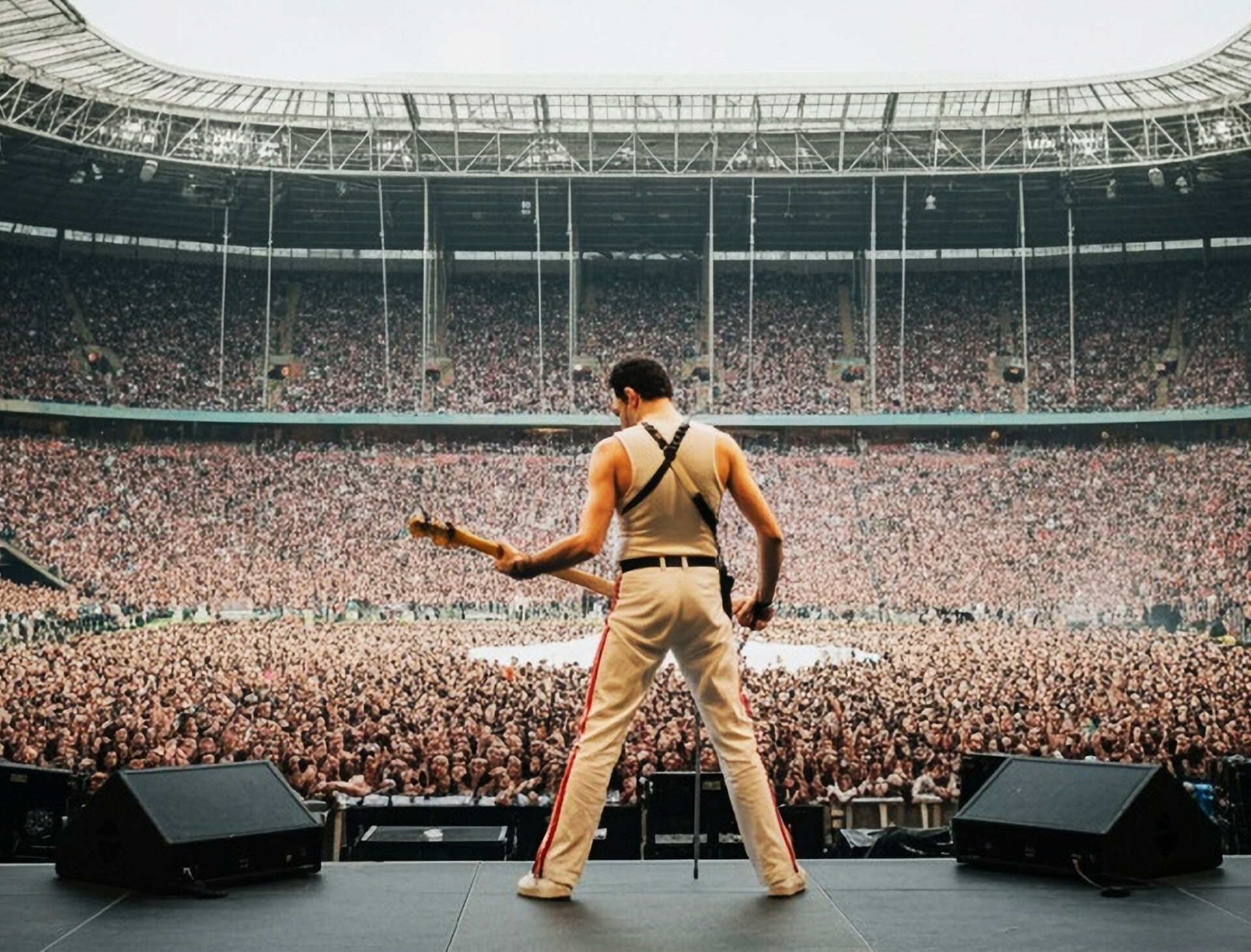
On July 13th, 1985, Queen walked onto the stage at Wembley Stadium for Live Aid—and delivered what is widely regarded as one of the greatest live performances in rock history.
The band had only around 20 minutes, but Freddie used every second. Sitting at the piano for “Bohemian Rhapsody”, striding across the stage during “Radio Ga Ga” and conducting more than 70,000 people during his famous vocal call-and-response, he demonstrated complete command of both the stage and the audience.
It was not simply a great vocal performance. It was Freddie Mercury showing the world exactly what a rock frontman could be.
Although Queen remained his musical home, Freddie also wanted the freedom to explore ideas outside the band.
His first full solo album, *Mr. Bad Guy*, arrived in 1985. Its opening track, “Let’s Turn It On”, was an energetic declaration of intent, while “I Was Born To Love You” became one of his best-known solo recordings. Queen later reworked the song for the 1995 album *Made in Heaven*.
“Living On My Own” was another track from *Mr. Bad Guy*. A new remix released after Freddie’s death topped the UK singles chart in 1993, giving him his first solo UK number one.
In 1987, Freddie recorded a spectacular version of The Platters’ “The Great Pretender”. The title felt perfectly suited to a performer who had spent his career playing with image, identity and theatrical illusion.
Its video looked back at several of his most famous appearances, while also giving viewers a glimpse of Freddie away from the characters he created on stage.
Freddie’s most ambitious solo project came through his partnership with Spanish operatic soprano Montserrat Caballé. He had long admired her voice, and their collaboration united rock and opera on an extraordinary scale.
The title track from their album *Barcelona* became an anthem for the city and was later used during the 1992 Olympic Games.
Queen returned with *The Miracle* in 1989. By then, Freddie was seriously ill, although he kept his diagnosis private and continued working with remarkable determination.
“I Want It All” became one of the album’s defining songs. Queen never performed it live with Freddie, but it sounded as though it had been designed to shake a stadium.
The band’s final studio album released during Freddie’s lifetime was *Innuendo* in 1991. Despite his declining health, his performances remained astonishingly powerful.
“The Show Must Go On”, written primarily by Brian May, was recorded when there were serious concerns about whether Freddie would be physically able to sing it. He delivered one of the strongest and most emotional vocals of his career.
The video for “These Are The Days Of Our Lives” contained Freddie’s final appearance in front of a camera. Filmed in black and white, it ended with him looking directly into the lens and saying: “I still love you.”
Freddie Mercury died at his London home on November 24th, 1991, aged just 45. The previous day, he had issued a public statement confirming that he had AIDS.
Here's how ITV News reported the story at the time:
In April 1992, Brian May, Roger Taylor and John Deacon staged the Freddie Mercury Tribute Concert at Wembley Stadium. Some of the biggest names in music—including David Bowie, Elton John, George Michael, Robert Plant, Annie Lennox and Metallica—joined Queen to celebrate Freddie’s life and raise awareness and funds in the fight against AIDS.
The surviving members of Queen and their manager, Jim Beach, also established the Mercury Phoenix Trust, which continues to support HIV/AIDS initiatives around the world.
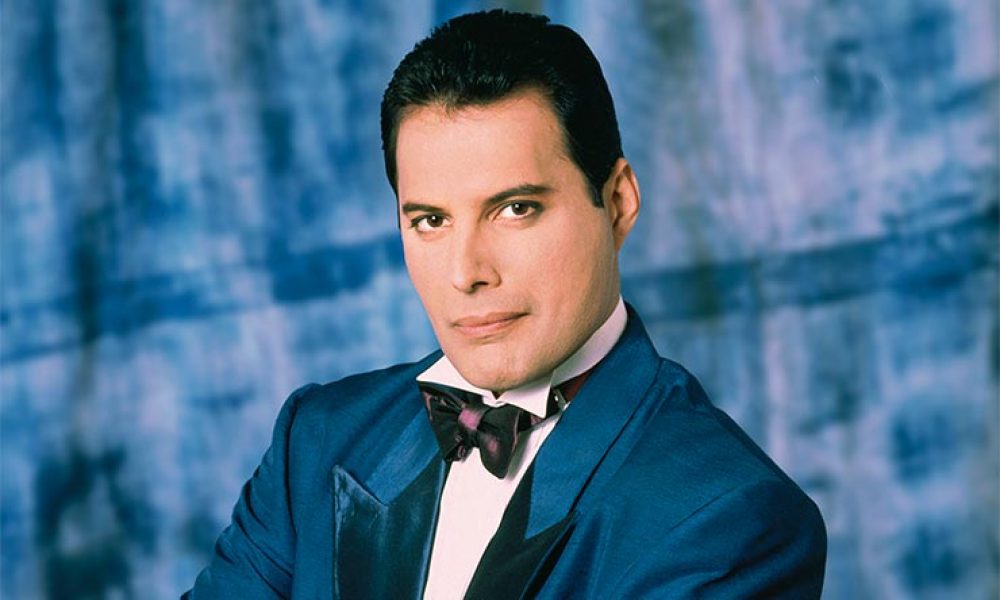
Freddie Mercury’s life was much too short, but his music has proved timeless. New generations continue to discover Queen. Their songs still fill dancefloors, dominate radio playlists, soundtrack films and sporting events, and inspire people to sing together in arenas around the world.
Freddie was a songwriter, a musician, an artist and perhaps the ultimate rock showman. He could be funny, outrageous and gloriously over-the-top—but he could also be vulnerable, moving and intensely human.
Today, on what would have been his 80th birthday, we celebrate the extraordinary music he left behind.