
A fragile ceasefire between the United States and Iran has brought a sudden sense of relief to global markets, but for households across Ireland, the reality is more complicated.
While falling oil prices and stabilising markets sound like good news on paper, the impact on the cost of living crisis is likely to be slow, uneven, and far from guaranteed.
In the immediate aftermath of the agreement, the price of Brent crude oil dropped sharply by around 13–14%, falling from roughly $109 to about $94 per barrel. This is a significant shift after weeks of volatility, with prices having peaked at $118 at the end of March.
However, context matters. Oil was sitting at just $60 at the beginning of 2026 and around $70 before the conflict began on 28 February, meaning current prices remain well above pre-war levels.
For Irish consumers, that gap is crucial.
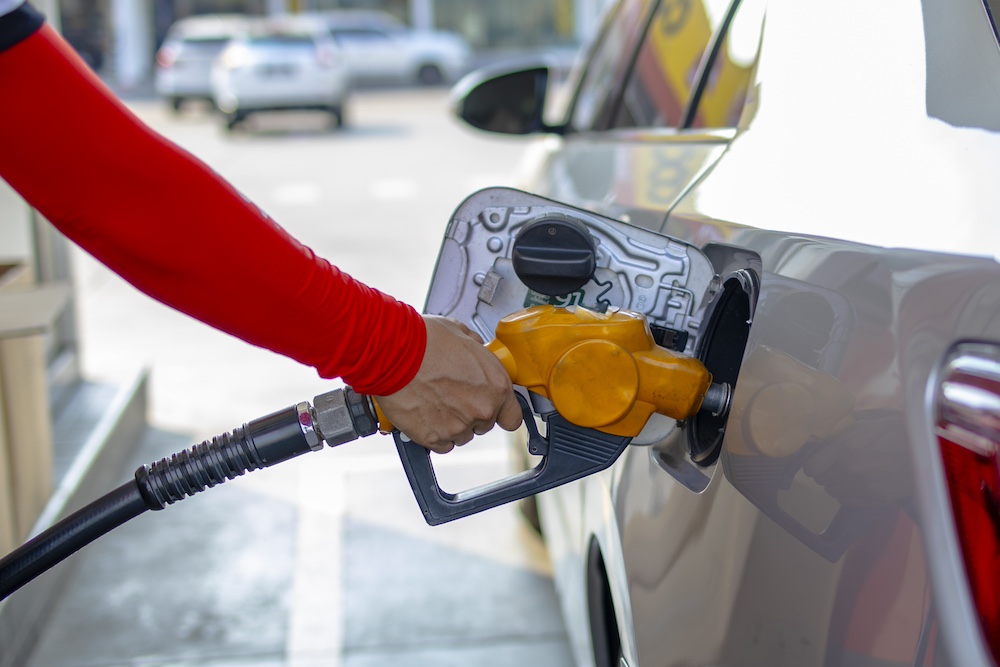
Despite the drop in wholesale oil costs, it typically takes two to three weeks for any reduction to show up at petrol pumps. At present, many drivers are still paying around €1.90 per litre for unleaded and €2.10 for diesel, compared to approximately €1.73 and €1.72 respectively before the conflict.
In other words, even if prices begin to ease, they are unlikely to return to earlier levels any time soon.

The situation is even more stark when it comes to home heating.
The cost of 500 litres of heating oil has surged from around €500 to €900, placing a heavy burden on households already struggling with rising expenses.
While consumers will be hoping the ceasefire leads to a reduction, any meaningful drop will depend on whether lower oil prices are sustained over time rather than reacting to a short-term diplomatic breakthrough.
Energy costs more broadly remain a major concern.
European natural gas prices, which play a central role in electricity generation, doubled from €30 to €60 per megawatt hour during the conflict and are currently hovering around €51.
While this represents some easing, it is still significantly higher than earlier in the year. Because Irish energy suppliers typically purchase gas and electricity up to 18 months in advance, changes in wholesale prices take time to filter through.
This means households may not feel any relief until much later in the year—if at all.
There are also concerns about supply chains and infrastructure.
Even if the ceasefire holds, reopening key routes like the Strait of Hormuz and repairing damaged energy systems will take time.
Disruptions to aviation fuel supply could have knock-on effects for Ireland, particularly given its reliance on air travel as an island nation. Industry leaders have warned that it could take months for global supply levels to normalise.
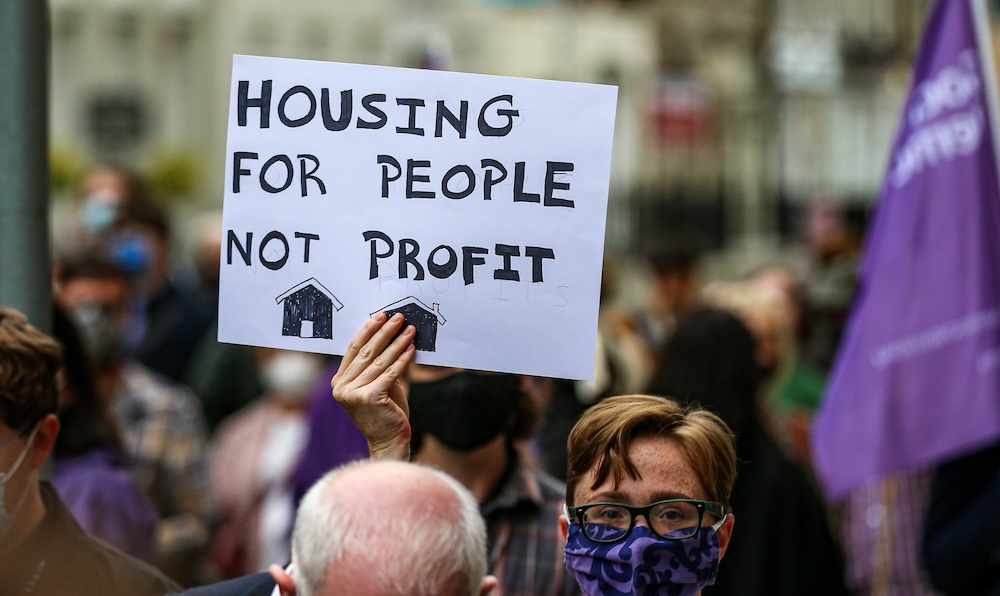
Dublin, September 15, 2021 - Protestors gather outside Dail Eireann in Dublin, Ireland for a rally highlighting the housing crisis
The housing market, already under pressure, is another area indirectly affected.
While asking price inflation has slowed to 4.7% nationally, with Dublin at 2.9%, construction costs remain vulnerable to high energy prices. More expensive fuel can increase building costs, potentially slowing supply at a time when demand remains intense. The median asking price stands at €385,000 nationally and €450,000 in Dublin, with properties still selling above asking price in many cases—highlighting how little relief there has been for buyers.
So what does the ceasefire actually mean for Irish consumers?
In the short term, it offers hope rather than immediate relief.
Fuel prices may begin to edge down in the coming weeks if oil markets remain stable, but significant savings are unlikely in the near future. Energy bills, in particular, are expected to stay high for months due to how the market operates.
More importantly, the ceasefire itself remains fragile. Any renewed escalation could quickly reverse recent gains, sending oil and gas prices back up and intensifying the pressure on households and businesses.