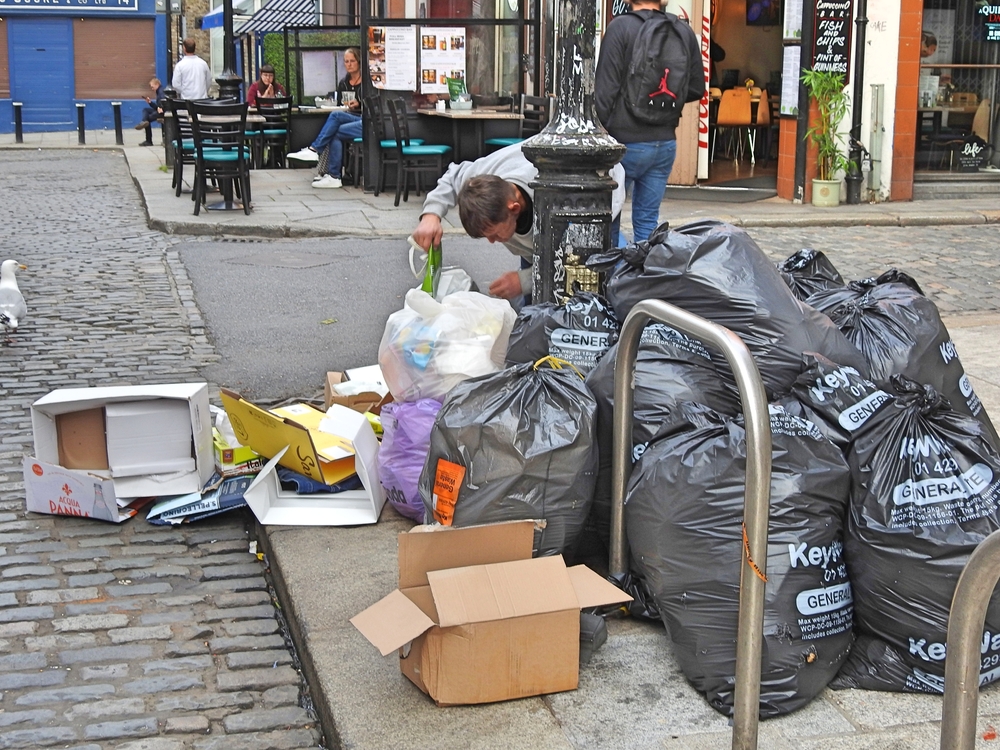

Businesses in Dublin city centre have raised concerns that organised groups and vulnerable individuals are increasingly rummaging through bins for bottles and cans under Ireland’s Deposit Return Scheme, with the issue now contributing significantly to street-cleaning costs, according to RTÉ News.
The broadcaster reported that the practice has become a common sight in the capital two years after the scheme was introduced, with Dublin City Council estimating it cost around €500,000 last year to deal with what it describes as “bin interference”.
RTÉ reporters observed numerous people searching through bins in Dublin city centre over a number of hours last week, including individuals collecting refundable containers to exchange for cash.
Among those seen was Nerijus Bogucianskas, who told the Irish media outlet he is homeless, struggles with alcohol addiction, and collects cans and bottles when his weekly payment runs out. He said he sees it as “better than begging” but admitted he feels “a lot of shame” doing so.
“It's too hot now, but usually I'll put a hood and the sunglasses, I'm really ashamed.”
“I'm in Ireland 25 years and I'm meeting people who see me in the bins. It's hard but I've no choice now, because I'm short a fiver,” he said, adding that he typically collects around €4 worth of recyclables by lunchtime after starting early in the morning.
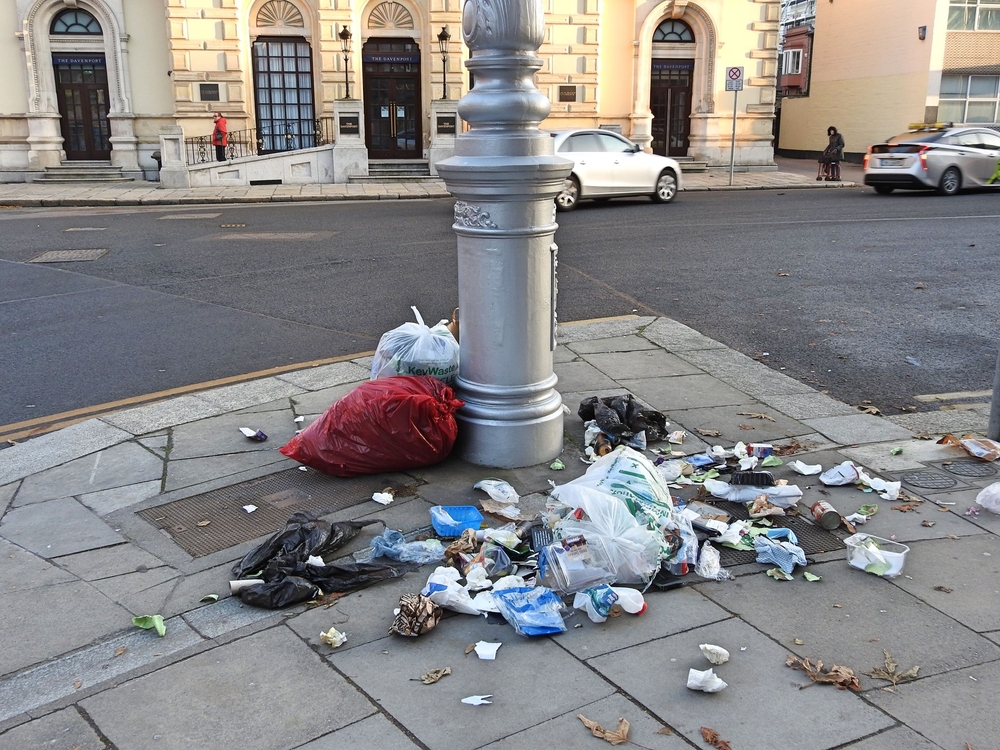
Dublin City Council Waste Management Inspector Robert Edwards said bin interference is placing a growing strain on cleaning services, with staff now spending hours each day dealing with the aftermath.
He said what began with smaller street bins has now expanded to larger commercial wheelie bins, particularly in busy areas of the city centre.
“Before the bins on this street would be serviced twice a day. Now we're having to make sure we come around on the hour every hour, because the bags are getting pulled out of the bins,” he said.
He added that certain areas, particularly busy nightlife and retail streets, are seeing repeated targeting, especially at weekends and during major events.
CEO of the Temple Bar Company, Martin Harte, also told RTÉ News he believes there is an “organised element” to some of the activity, with groups reportedly targeting streets in a coordinated way.
“We have seen quite a bit of people, coming in with keys, in groups and targeting strips of bins along the street. They have a system, they're in and they're out quite rapidly. So there obviously is an organised element,” he said.
He added that large events in the city, particularly those attracting families and children, tend to lead to increased activity as higher volumes of bottles and cans are discarded.
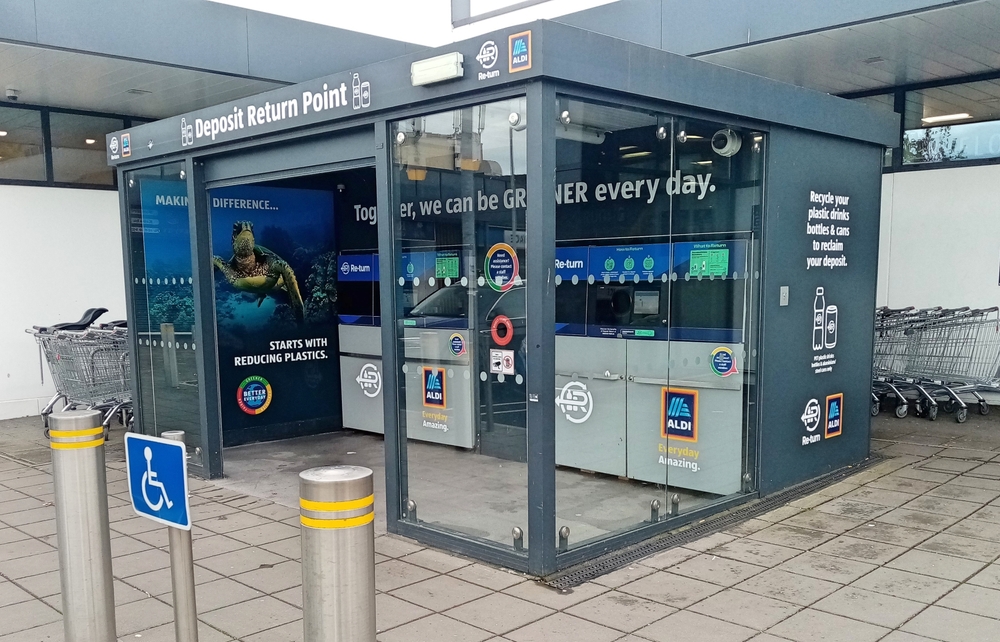
Meanwhile, Re-turn CEO Ciarán Foley said the organisation was aware the issue could arise when the scheme was introduced and is currently carrying out research into the behaviour.
He said there are thousands of reverse vending machines available across the country and encouraged people to use them rather than placing containers in general waste bins.
“We've over 2,800 reverse vending machines… The vast majority of them will have a donate option on the button for charity, so if you haven't time to get your voucher or get your cash, you can just pop in your bottle, press the button, and on you go,” he said.
He added that the issue is expected to ease over time as public familiarity with the system increases, noting that similar schemes across Europe initially faced comparable challenges.
Bin surrounds introduced in parts of Dublin as part of a pilot programme are being reviewed, with authorities considering whether they could be expanded in certain areas depending on effectiveness.