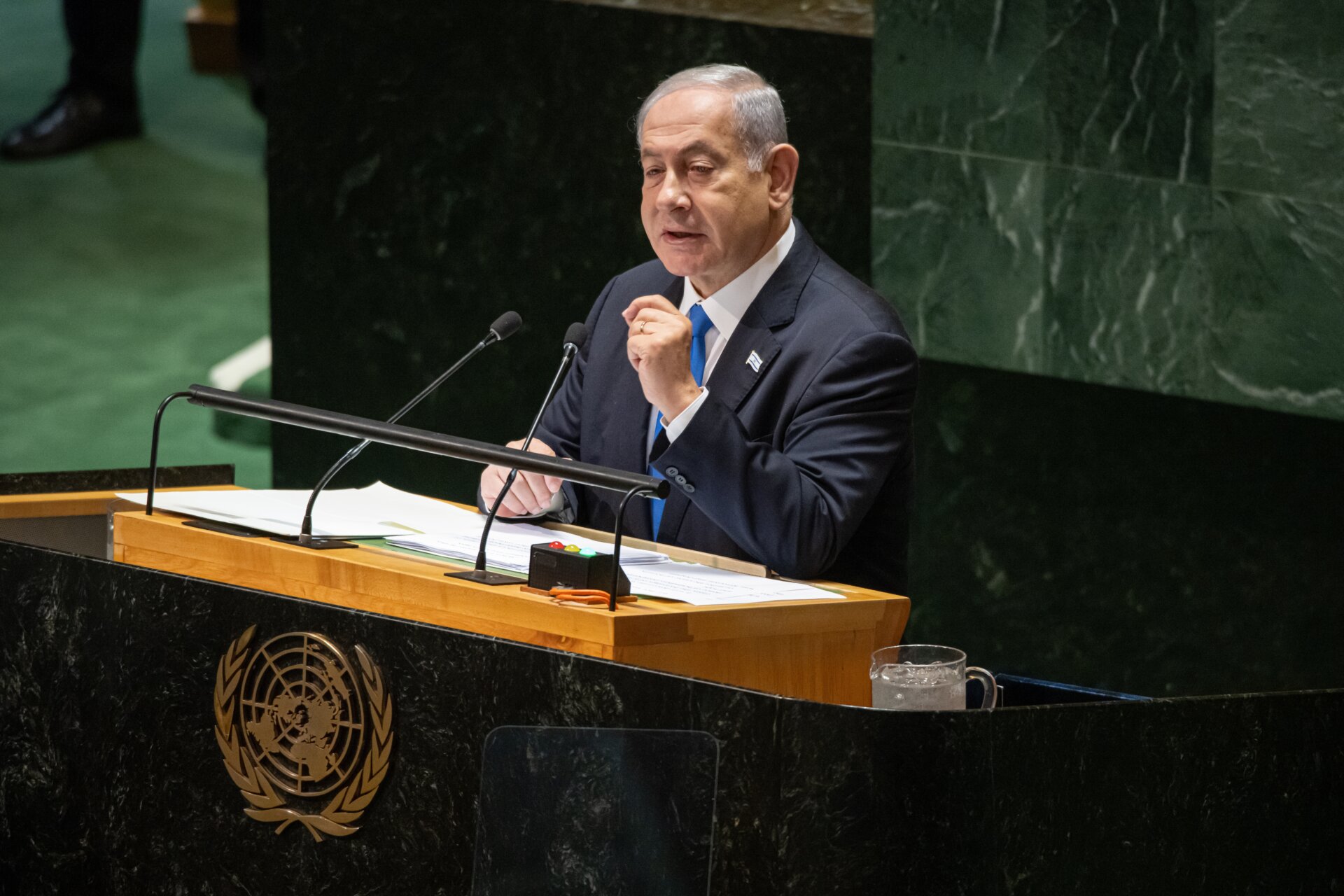

In a significant diplomatic development, Israeli Prime Minister Benjamin Netanyahu has publicly endorsed a 20-point peace plan proposed by former U.S. President Donald Trump aimed at ending the ongoing conflict in Gaza. The plan, unveiled on September 29, 2025, outlines a framework for ceasefire, reconstruction, and governance in the war-torn region. Hamas has yet to speak up on the matter.
The proposed plan includes several critical elements, such as an immediate cessation of hostilities, the release of all Israeli hostages within 72 hours, and the disarmament of Hamas. It also envisions a phased withdrawal of Israeli forces from Gaza, the release of approximately 2,000 Palestinian prisoners held in Israeli jails, and the establishment of a transitional technocratic Palestinian government under international oversight, led by Trump and former British Prime Minister Tony Blair.
Netanyahu expressed his support for the plan, stating that it aligns with Israel's objectives, including the return of all hostages, the dismantling of Hamas' military capabilities, and the prevention of future threats from Gaza. However, he emphasized that Israeli forces would remain in most of the territory and firmly rejected any agreement on a Palestinian state as part of the plan.
As of now, Hamas has not formally accepted the proposal, with diplomatic sources indicating that their negotiating team is reviewing it but has not issued a response. The international community has reacted with mixed feelings. Countries including Saudi Arabia, Jordan, the United Arab Emirates, Qatar, Egypt, Turkey, Pakistan, and Indonesia have welcomed the plan, while the European Union and Spain have called it a step toward peace but stressed the need for a two-state solution. Some critics have expressed concerns over the exclusion of Hamas from the governance process and the lack of Palestinian involvement in the plan's inception.
Meanwhile, the humanitarian crisis in Gaza remains severe, with reports of widespread famine and shortages of essential supplies. International organizations continue to urge immediate humanitarian aid alongside a sustainable long-term solution for the Palestinian population.
The success of the peace plan depends on Hamas’s acceptance and the establishment of a stable governance framework in Gaza. While it offers a potential path to peace, its implementation faces significant obstacles, including political opposition, regional dynamics, and the realities on the ground.