
Is the war over? Recent developments suggest a fragile truce is taking shape, but the path ahead is anything but settled. Over the past 48 hours, Hamas has handed over four more bodies of deceased Israeli hostages, though Israel immediately announced that one of those bodies is not that of a known hostage, a revelation that has fueled tension over compliance with the ceasefire’s terms. Meanwhile, Israel has agreed to open the Rafah crossing and allow up to 600 humanitarian aid trucks per day into the Gaza Strip, delivering food, fuel, medicine, and rebuilding materials to a population battered by two years of conflict.
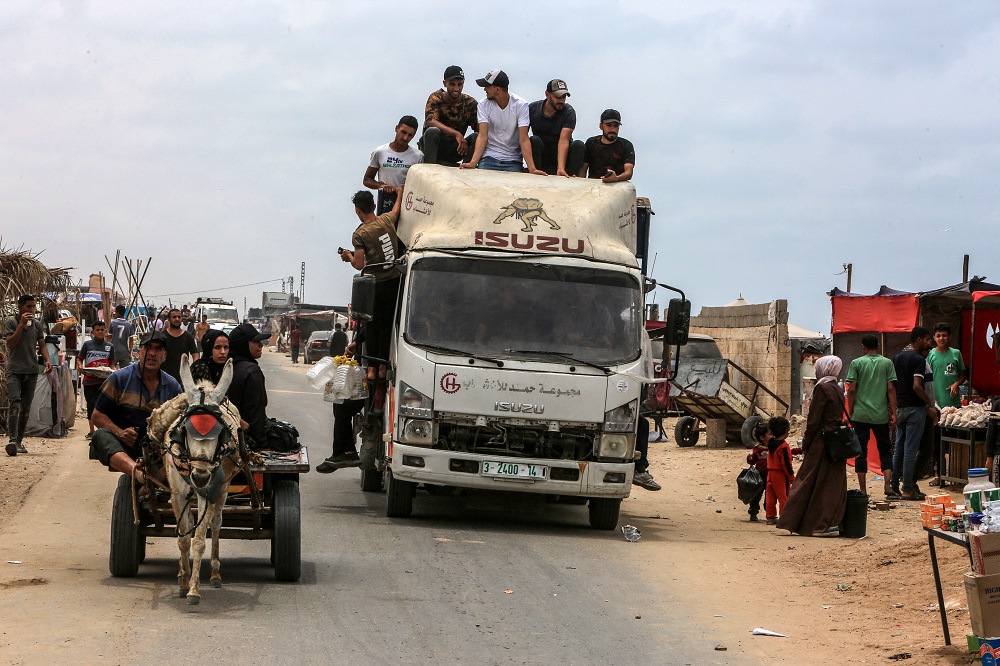
These moves follow the release of the last 20 living Israeli hostages in exchange for nearly 2,000 Palestinian detainees. The exchange marked the first phase of a U.S.-mediated peace effort, raising hopes that the long nights of war might be yielding to diplomacy. But even amid cautious optimism, both sides have clashed over logistics and intent. Israel has threatened to cut access to aid — allowing only 300 trucks per day — if Hamas delays further returns of hostage remains. Aid agencies warn that damage to roads, bureaucratic red tape, and ongoing security concerns are already hindering effective distribution inside Gaza.
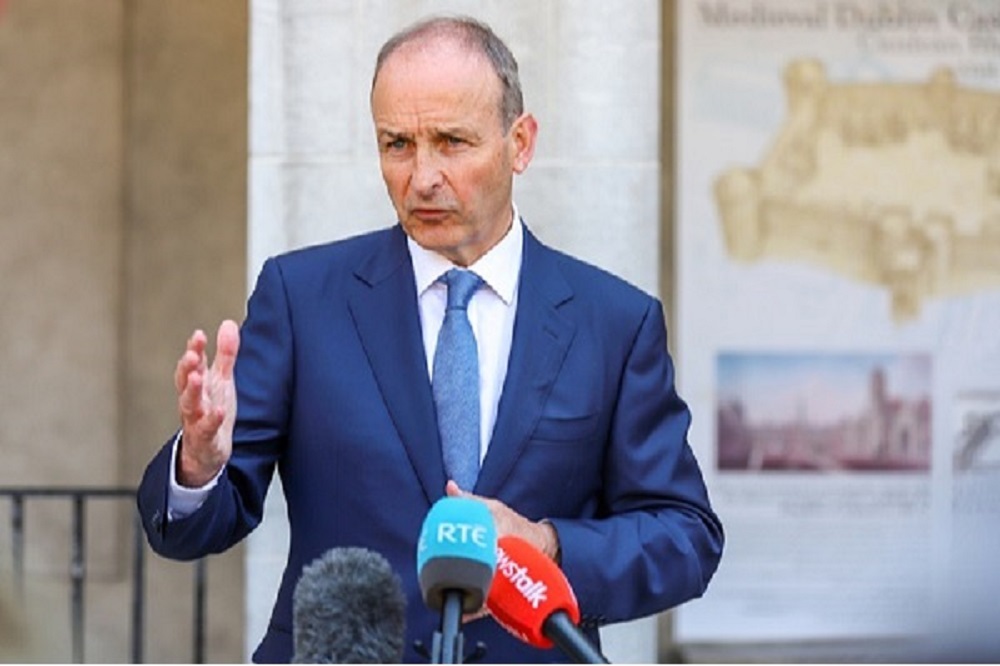
Into this volatile mix stepped Donald Trump, who wasted no time framing the moment as a turning point. In statements before the Knesset in Jerusalem, he declared: “The skies are calm, the guns are silent … the long nightmare is over.” He signed off on a formal document with mediators in Egypt, Turkey, and Qatar, proclaiming that “now the rebuilding begins.” In doing so, he clearly meant to cast the hostages’ release and prisoner swap as proof that “peace is here.” Yet critics say that is a sweeping statement, far too broad to reflect the continued uncertainties on the ground.
Trump’s own rhetoric in later remarks illustrated that caveat: he insisted Hamas must disarm, warning that “if they don’t disarm, we will disarm them — quickly and perhaps violently.” He has referred to the current agreement as Phase One of his 20-point Gaza peace plan, implying that deeper structural changes — governance, security, demilitarization — are still to come.
The announced aid corridor is a crucial test of those ambitions. Under the agreement, up to 600 trucks a day would deliver essential supplies through Rafah, but early enforcement suggests Israel may scale that back to 300 trucks daily under the guise of delayed compliance by Hamas. To complicate matters, aid entering Gaza must go through Israeli inspections, slowing down the flow. Israeli officials argue that reduced access is a justified response to delays in returning hostage remains.
On the Hamas side, officials have claimed that locating bodies amid Gaza’s rubble is logistically and politically fraught. The partial handovers so far include coffins that Israel says only partly match expectations, leaving families and leaders demanding full accountability before advancing the truce.
Beyond logistics and statements, the deeper issues remain glaring. Hamas has not publicly accepted full demilitarization. A governance structure for Gaza remains contested. The future of security oversight, reconstruction funding, and Palestinian self-rule are all on shaky ground. Even the supposed “end of war” claimed by Trump should be read with caution, given that ceasefires have faltered before and talks have repeatedly broken down.
Moreover, analysts note that Trump’s triumphal language risks creating a narrative that pressure is over — when in fact, it must increase. The power dynamics between Israel, Hamas, Egypt, regional states, and international actors still dominate what is, at best, an uneasy armistice.
So, is the war over? In the narrowest sense — that is, large-scale active fighting — the ceasefire may have paused violence. But the real war is now diplomatic, structural, and deeply complex. The real test is whether this fragile pause gives way to lasting changes in governance — or whether it unravels, plunging the region back into ruin. The clues will lie in humanitarian aid flow continuity, the return of the remaining bodies, the disarmament decisions of Hamas, and whether the parties hold to this “peace” beyond headlines.