
Kildare has been named Ireland’s most energy-efficient county for commercial buildings, according to new research analysing more than 80,000 Building Energy Ratings (BERs) nationwide.
The study, carried out by Procure.ie, examined 80,526 BER certificates recorded by the Central Statistics Office (CSO) for commercial, industrial and public buildings between 2009 and 2025. Counties were ranked based on the proportion of buildings achieving the highest possible A energy rating.

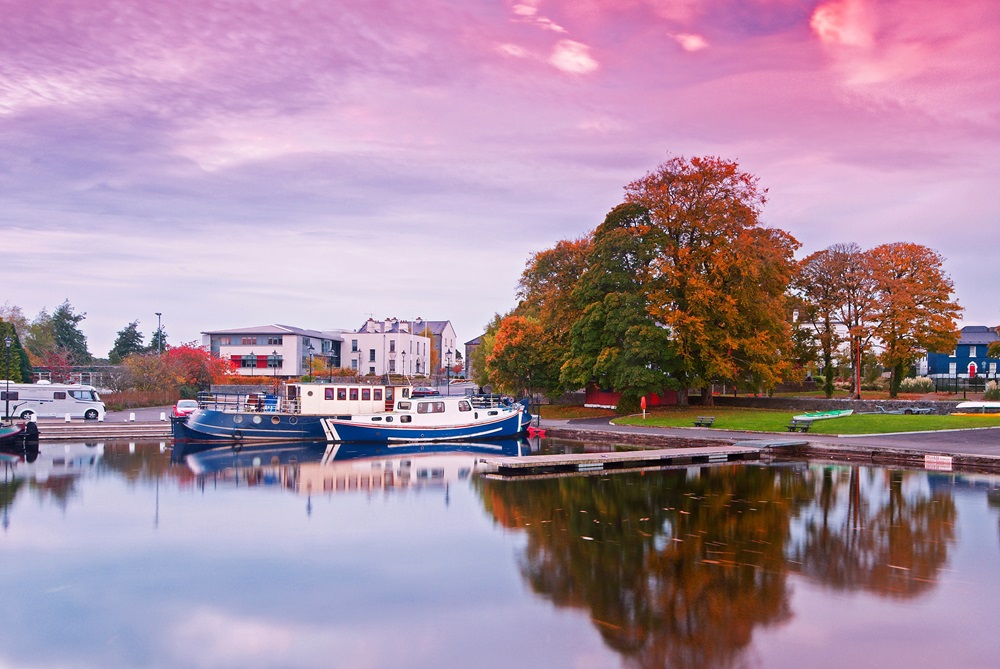
Newbridge, Kildare, Ireland
Kildare topped the national rankings, with 235 of its 3,355 commercial buildings receiving an A rating. That represents 7% of all rated buildings in the county, almost double the national average of 3.6%.
Three counties shared second place, each recording 5% of commercial buildings with an A rating.
Dublin led that group with 296 A-rated buildings out of a total of 5,915, while Meath recorded 134 A-rated buildings from 2,672 properties.
Westmeath also achieved a 5% share, with 84 of its 1,684 buildings earning the top rating.

Aerial view of Galway City, Ireland
Galway ranked fifth on the national list. The county recorded 158 A-rated buildings from a total of 3,947 commercial properties, meaning 4% of its rated building stock achieved the highest energy efficiency standard.
At the opposite end of the rankings, Limerick City was found to have the highest proportion of poorly performing commercial buildings. The research showed that 17% of its buildings received a G rating, the lowest possible BER grade.
Kilkenny and Sligo followed closely behind, with 16% of their commercial buildings receiving a G rating.
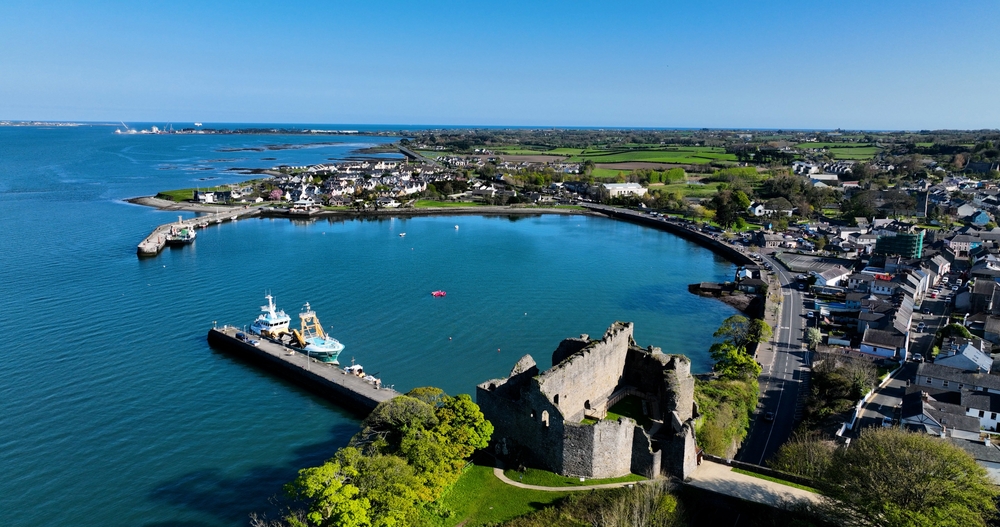
Aerial photo of King John's Castle on Carlingford, County Louth, Ireland
Louth and Monaghan each recorded 14% of buildings in the lowest energy efficiency category.
The findings highlight significant differences in energy performance across Ireland's commercial property sector, as businesses and public organisations continue to face increasing pressure to improve energy efficiency and reduce operating costs.
The strong performance of Galway comes as the county continues to attract major international investment, with eight of the world's ten largest medical device manufacturers operating in the region.
The presence of these companies has contributed to the development of modern commercial and industrial facilities, many of which are built to higher energy-efficiency standards.
The research offers a snapshot of how Ireland's commercial building stock has evolved over the past 16 years and underscores the growing importance of energy-efficient infrastructure as businesses work towards sustainability and climate targets.
The findings come at a time when Ireland faces growing pressure to improve energy efficiency and reduce greenhouse gas emissions across all sectors of the economy.
Last month, the Environmental Protection Agency (EPA) warned that Ireland is on course to significantly miss its legally binding climate targets for 2030.
The agency said that even if all proposed climate measures are fully implemented, emissions would fall by just 25% below 2018 levels, well short of the 51% reduction required under Ireland's Climate Act.
The EPA said stronger action is needed across multiple sectors, including transport, energy, agriculture and the built environment, to accelerate emissions reductions before the end of the decade.
Improving the energy performance of commercial buildings is considered one of the key ways businesses can reduce their carbon footprint while also lowering operating costs and energy consumption.
EPA Director General Dr Eimear Cotter recently warned that there must be a renewed focus on delivering climate measures within the short timeframe remaining before 2030.
“There must be a renewed focus on delivering the actions to meet Ireland’s climate targets which will be a significant challenge given the short timeframe to 2030,” she said.
The EPA has also highlighted wider benefits of energy efficiency improvements, including reduced reliance on fossil fuels, improved energy security, better public health outcomes and increased opportunities for green investment and job creation.
Against that backdrop, counties with a higher proportion of A-rated commercial buildings may be better positioned to contribute to Ireland's decarbonisation efforts as the country seeks to close the gap to its climate targets.