
New research has revealed that middle-aged men are increasingly turning to unproven online wellness trends, spending more than £2 billion (€over €2.3 billion) a year on products, services and social-media-driven advice that often promises improved sexual performance, better energy and quick physical transformation.
The study, carried out by healthcare company Voy, found that British men over the age of 35 are among the most active consumers of online wellness content. Nearly 42 percent of respondents said they check wellness posts more than once a day, with the most popular topics being fitness workouts, supplements, mental-health practices and fat-burning or weight-loss products. The surge is largely driven by a desire for sexual-wellbeing advice, with 45 percent of men saying this was their main reason for seeking out wellness guidance — ahead of improving sleep (38 percent), boosting energy (31 percent) or reducing stress (30 percent).
Vitamins emerged as the top wellness trend (59 percent), followed by the performance supplement creatine (26 percent) and cold-plunge therapy (22 percent). Almost half of all men surveyed — 48 percent — admitted they had tried a wellness trend after seeing it online.
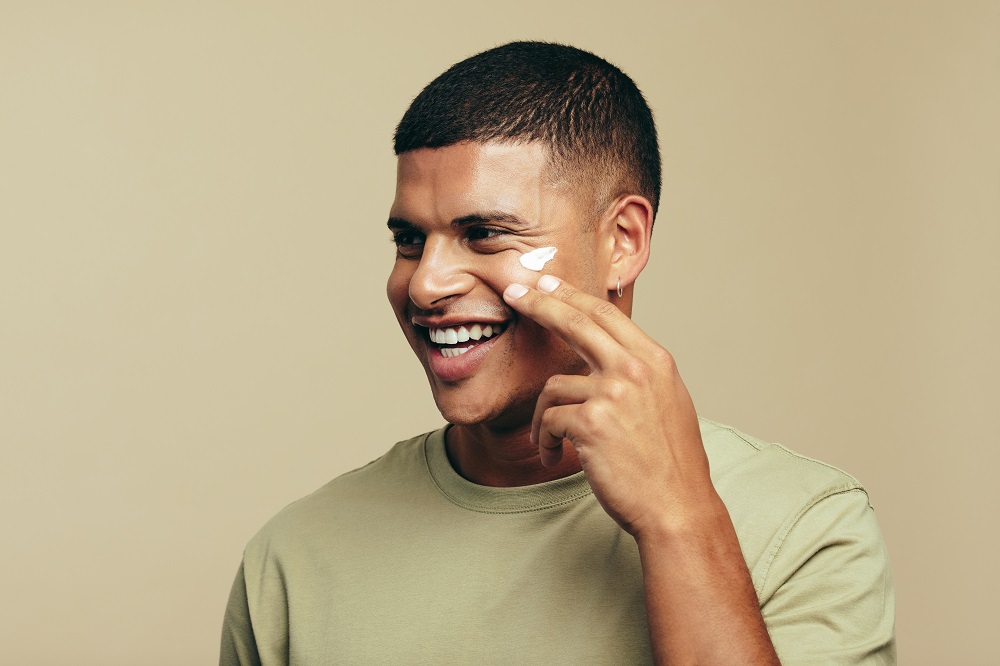
Much of this shift is mirrored by a broader boom in men’s self-care and grooming brands. The global male grooming market is now worth tens of billions and is growing fast: research shows that skincare now makes up a large and growing portion of that. Big-name and niche brands alike are profiting. For example, Unilever recently acquired Dr Squatch, a DTC male grooming brand known for its natural soaps and shampoos, for $1.5 billion, underlining how seriously big consumer giants now view the men’s wellness and grooming space.
There are also new and celebrity-backed skincare lines aimed squarely at men. Dwayne “The Rock” Johnson launched his own affordable men’s wellness and skincare range, Papatui, which includes cleanser, moisturizer, shampoo and more — part of a growing effort to normalise men’s self-care. Legacy skincare brands are also leaning in: Kiehl’s, long popular with male customers, continues to develop men-specific grooming products.
This booming wellness-skincare ecosystem feeds directly into the trend identified by the Voy study: men today don’t just want quick fixes or gym gains — they are embracing a fuller self-care narrative. But experts warn that many of the products and trends these men are spending on are only loosely regulated, with efficacy often based more on influencer hype than rigorous medical evidence. As billions flow into the male wellness market, the challenge for men will be separating meaningful self-care from marketing-fuelled fads.