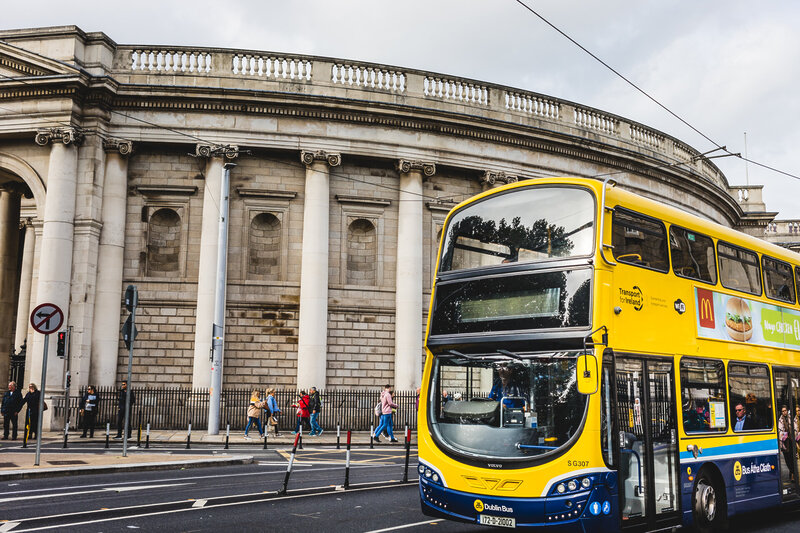

Public-transport fares in Ireland are set to remain at their reduced levels in 2026, according to plans being finalised ahead of the upcoming Budget 2026. The current 20 per cent fare cut across buses, trams and commuter rail services is understood to be protected for another year, with no full return to pre-cut rates expected.
Minister for Transport Darragh O’Brien is reportedly advocating for the full retention of the lower fares, including the 50 per cent discount on the Young Adult Leap card (ages 19–25). However, officials in the Department of Public Expenditure and Reform (DPER) are said to be resistant to an indefinite freeze, and discussions are ongoing about possible gradual adjustments in certain fare bands.
The government faces a serious funding gap in covering the costs of public transport. A €250 million shortfall in the “public service obligation” (PSO) budget — used to support vital but often unprofitable rural or off-peak routes — has been flagged as a major pressure point. Transport officials warn that rising fuel, energy, staff, and maintenance costs have outpaced revenue growth, even as passenger numbers rise.
Several paths are being considered to balance the books. One option is to tap into the National Development Plan funds, though such funds are usually reserved for infrastructure, not operating costs. Another is to scale back less essential services or introduce selective fare increases in certain zones — though the government is acutely aware of the ongoing cost-of-living pressures many households face.
For commuters in Dublin, the fare-structure changes already underway complicate the picture further. The Dublin City Zone and Commuter zones structure has been extended under the National Fares Strategy, with fare caps and zonal pricing being adjusted. Changes to Leap caps and zonal fares (e.g. daily, weekly limits) have already been introduced, and those will interact with whatever discount policies are preserved in Budget 2026.
While reduced fares are welcome news for travellers, many observers caution that sustaining them long-term without revising how public transport is funded may prove very difficult. The coming weeks of budget negotiation will test whether affordability for users or financial sustainability for operators will prevail.