
The Electricity Association of Ireland (EAI) has published a new consumer guide aimed at helping households cut their energy bills, warning of ongoing “energy affordability” concerns driven by global price pressures.
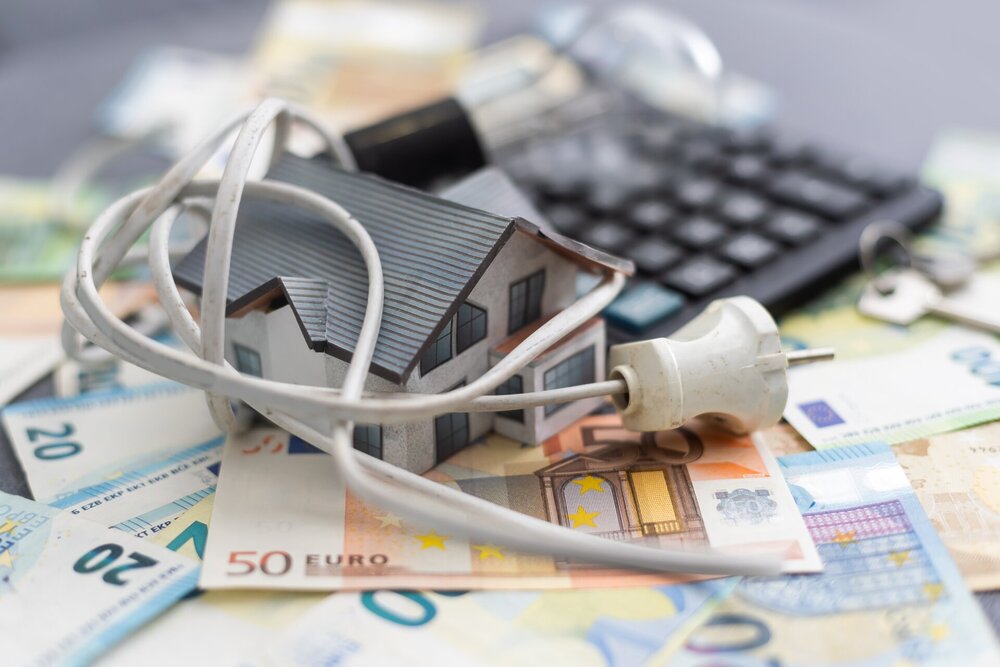
The ‘Energy Bill Guide’ is designed to give people a clearer understanding of how electricity costs are calculated, while also outlining practical steps to reduce usage.
It breaks down key elements of a typical bill, including unit rates, standing charges, levies and VAT, and explains how consumption is measured in kilowatt-hours.
A major focus of the guide is encouraging households to make better use of smart meters, which have now been installed in more than two million homes across Ireland.
According to the EAI, these devices allow customers to access time-of-use tariffs, where electricity is cheaper during off-peak hours such as overnight.
Consumers are being advised to shift their electricity usage away from peak times — typically between 5pm and 7pm — when demand is highest and prices can be more expensive.
The guide highlights that adjusting when high-energy appliances are used, such as showers, ovens, hobs and tumble dryers, can lead to noticeable savings over time. “Particularly if they're using high-energy appliances such as showers, hobs, ovens or tumble dryers,” the guidance notes.
It also points to newer options available to households, including smart tariffs, electric vehicle plans, and microgeneration schemes. These schemes allow homeowners with solar panels to generate their own electricity and even earn money by exporting surplus energy back to the grid.

Electricity Association of Ireland - Energy Bill Guide, April 2026
The EAI, whose members include major suppliers such as Bord Gáis Energy, Electric Ireland, Energia and SSE Airtricity, said the guide comes at a time of continued uncertainty in global energy markets.
The organisation highlighted Ireland’s ongoing reliance on imported fossil fuels as a key factor behind price volatility.
In a statement, EAI Chief Executive Dara Lynott said: “Ireland remains exposed to international fossil fuel price fluctuations, particularly due to its continued reliance on imported natural gas, accounting for up to 50% of all Irish electricity generation in any given year.”
He added that suppliers are closely monitoring global developments, including geopolitical tensions, and are working to protect customers where possible. “[They are] working as hard as possible to shield customers from global energy volatility,” he said.
The guide also outlines how household factors such as insulation levels and appliance efficiency can significantly impact overall energy use, reinforcing the importance of longer-term improvements alongside short-term behavioural changes.
Looking ahead, Lynott stressed that reducing Ireland’s dependence on imported energy will be critical to stabilising costs. “The most effective long-term solution to this dependence is the accelerated electrification of the Irish economy including industry, transport and heating combined with the rapid deployment of domestic renewable generation,” he said.
The guide has been developed in partnership with the National Adult Literacy Agency, with a focus on making energy information more accessible and easier to understand for consumers.