
July 29, 1966, doesn’t just stand out on the rock 'n' roll calendar, it practically rattles the thing off the wall. In one 24-hour span, three seismic events unfolded that reshaped the genre forever. This wasn’t some mild cultural tremor. This was the kind of day that took icons and made them myth.
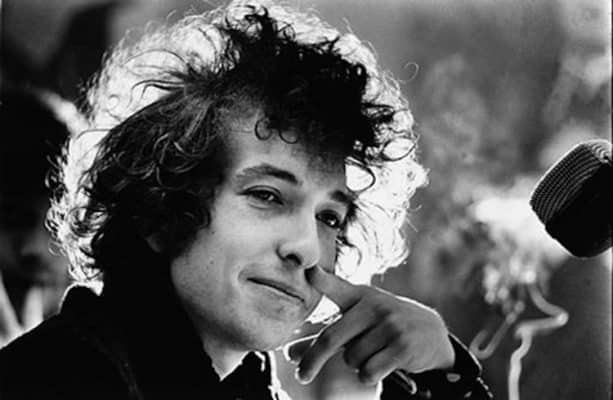
First: Bob Dylan, post-Blonde on Blonde, wrecked his motorcycle on the backroads of Woodstock. Or did he? The crash remains undocumented, no police report, no ambulance logs, just a jarring footnote in music lore. But to Dylan, it happened. “I had been in a motorcycle accident and I’d been hurt, but I recovered,” he wrote in 2004. More tellingly, he added: “Truth was that I wanted to get out of the rat race… Nothing held any real interest for me.” Whether the crash was physical, psychological, or mythological hardly matters. Dylan vanished. The man who had just completed a trilogy of game-changing albums — Bringing It All Back Home, Highway 61 Revisited, and Blonde on Blonde — walked away. Or rather, retreated. He re-emerged in 1967 with the cryptic, biblical John Wesley Harding, and left behind the rock Messiah image others tried and failed to carry.
Meanwhile, across the States, the Beatles were burning. Or rather, their records were, quite literally, in bonfires. That incendiary reaction came months after John Lennon told a UK paper that the Beatles were “more popular than Jesus.” It didn’t make a splash at home, but when the quote landed in the American South, all hell broke loose. Radio bans, protests, death threats. Pressured into addressing it, Lennon, via Brian Epstein, took to a podium and issued one of the most unconvincing clarifications in pop history: “I just said what I said, and it was wrong, or was taken wrong.” The band played on, but the damage was irreversible. The road, already a grind, became intolerable. By the time they appeared on a rooftop in 1969, they’d abandoned live performance for good.
And yet, across the Atlantic, something quietly revolutionary stirred. At Manchester’s Twisted Wheel, three unassuming figures, Eric Clapton, Jack Bruce, and Ginger Baker, debuted as Cream. It wasn’t even announced. Clapton later dismissed it as “pretty quiet,” just a test run. But make no mistake: that night marked the beginning of the first true power trio. Clapton, inspired by Buddy Guy’s on-stage command, wanted to replicate that raw, stripped-down potency, even if it meant locking Bruce and Baker in a combustible creative box. “I was suffering from delusions of grandeur,” he wrote. Maybe. But if so, the delusion paid off. Within months, Cream exploded into something transcendent, before predictably imploding just as fast.
Three events. One day. An entire future of rock music forever altered.