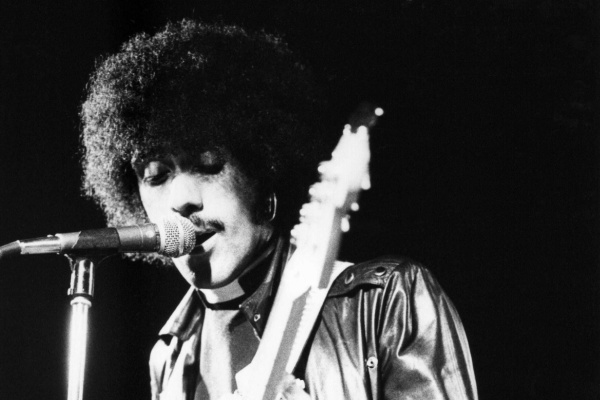

On January 4, 1986, Phil Lynott’s voice was silenced. But the mythology he carved, with a pen that bled poetry and a presence that demanded reverence, has not dimmed in four decades. Next year, on the exact date of his passing, Dublin will stage Dedication To Phil Lynott, a concert designed not as nostalgia, but as testimony.
At the 3Arena, surviving members of Thin Lizzy will join an army of collaborators: Guns N’ Roses’ Richard Fortus, Black Star Riders’ Ricky Warwick, and the RTÉ Orchestra in full, thunderous force. It is not a mere gig. It is an act of cultural memory, a city ensuring its most magnetic son is given the scale he warrants.
The bill itself tells the story: Eric Bell, who stood beside Lynott when Thin Lizzy first broke ground; Darren Wharton, present in the Renegade and Thunder And Lightning era; Marco Mendoza, who carried the torch in later incarnations. Even Grand Slam, the short-lived band Phil assembled after Lizzy’s dissolution, will take their place. The lineup reads less like a collection of guests than a constellation, each one tethered to Lynott’s orbit.
Yet beneath the celebration lies the ache of what was lost. Scott Gorham’s memories cut deep. Visiting Lynott weeks before his death, he saw the decay drugs had wrought, the frailty that contradicted the “iron man” image. Phil, determined as ever, insisted: “I’m gonna get my shit together; I’m gonna get off of this crap, man.” Gorham believed him. Belief was easy when it came to Phil Lynott. He had always been indestructible, until he wasn’t.
The phone call Gorham received on January 4 confirmed what seemed impossible: the poet of Dublin, the soul of Thin Lizzy, was mortal after all. Grief-stricken, Gorham knew the weight of history had shifted.
Forty years on, the concert is not an elegy but a resurrection. The music remains alive, restless, eternal, as if Lynott himself, still draped in leather and poetry, was never really gone.