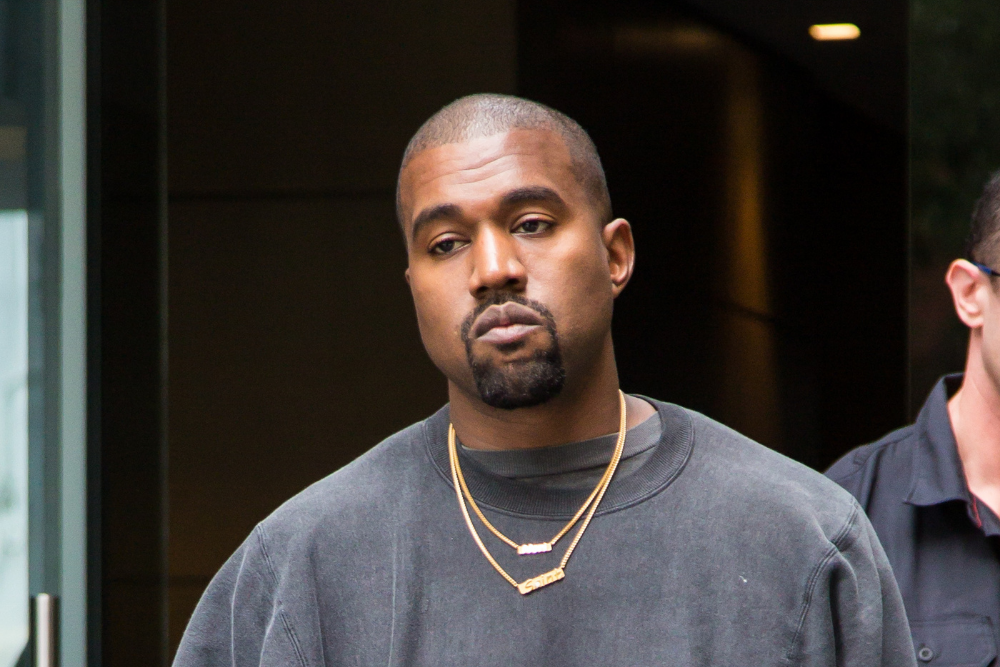

Festival Republic boss Melvin Benn has claimed that Pepsi originally approved and “signed off” on the decision to have Kanye West headline the now-cancelled Wireless Festival, before pulling out as a sponsor over the weekend.
The rapper was confirmed last week to be the headliner for all three nights of the London festival, with the shows billed as a career-spanning set built around his “most iconic records”.
Wireless, held annually in Finsbury Park, has long been one of the UK's most high-profile urban music festivals, regularly attracting major international headliners and large travelling audiences.
The booking sparked widespread criticism due to West’s history of anti-Semitism, and Prime Minister Keir Starmer said it was “deeply concerning” that the rapper had been booked despite his “celebration of Nazism”.
The controversy quickly escalated beyond the music industry, drawing political and public backlash.
It later emerged that West’s right to enter the UK was under government review, amid increased scrutiny on high-profile figures entering the country.
UK authorities have the power to deny entry on public interest grounds, and it was confirmed yesterday that he had been blocked from travelling to the UK — ultimately forcing the cancellation of the festival.
Melvin Benn, the managing director of Festival Republic, which co-promotes Wireless alongside Live Nation, stood by the decision to book West, saying that while the artist’s past remarks were “abhorrent”, he hopes people will “offer some forgiveness”.
His comments reflect a wider debate within the live music industry about balancing artistic freedom, commercial interests, and public accountability.
He has now also said that while Pepsi distanced itself from the festival and cut ties following the controversy, the decision to book West was originally “signed off” by them — highlighting the role major sponsors can play in shaping festival line-ups.
Speaking to BBC Radio 4, he said: “With Pepsi, for instance, our lead sponsor, they signed off and approved it. We asked them and asked them to sign off on it, and they did. Perhaps we should have done the same with the Jewish community.”