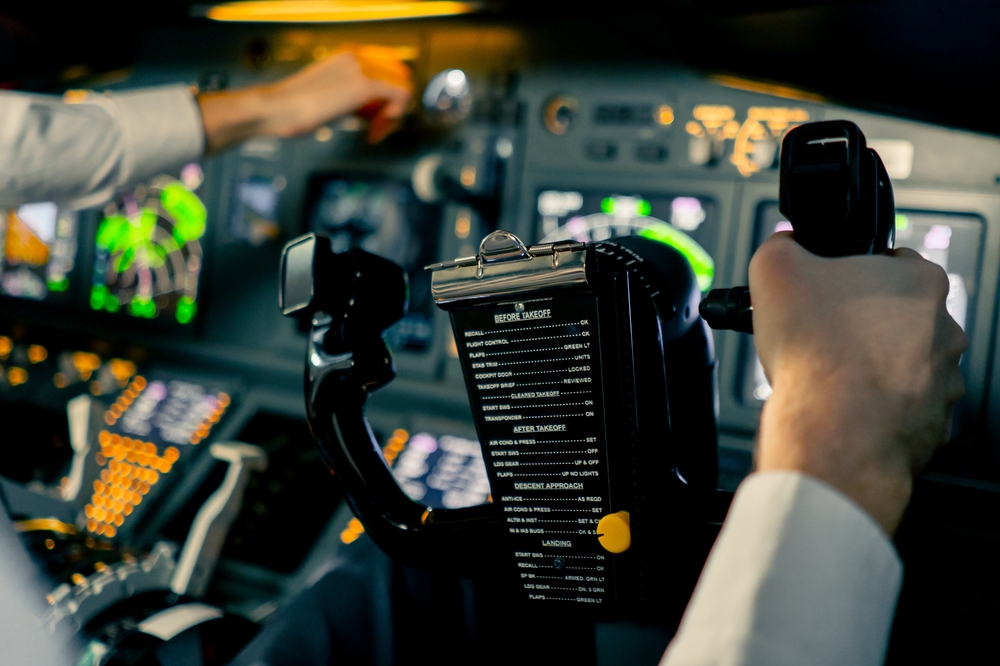

Three in four airline pilots in Europe have admitted to experiencing microsleeps in the cockpit due to fatigue, according to new research.
A survey of almost 7,200 captains and first officers found that many pilots are struggling with a lack of rest and pressure to extend their working hours.
The European Cockpit Association (ECA), which published the findings last week, warned that pilots may be reluctant to report fatigue because they fear punishment, potentially creating serious safety risks.
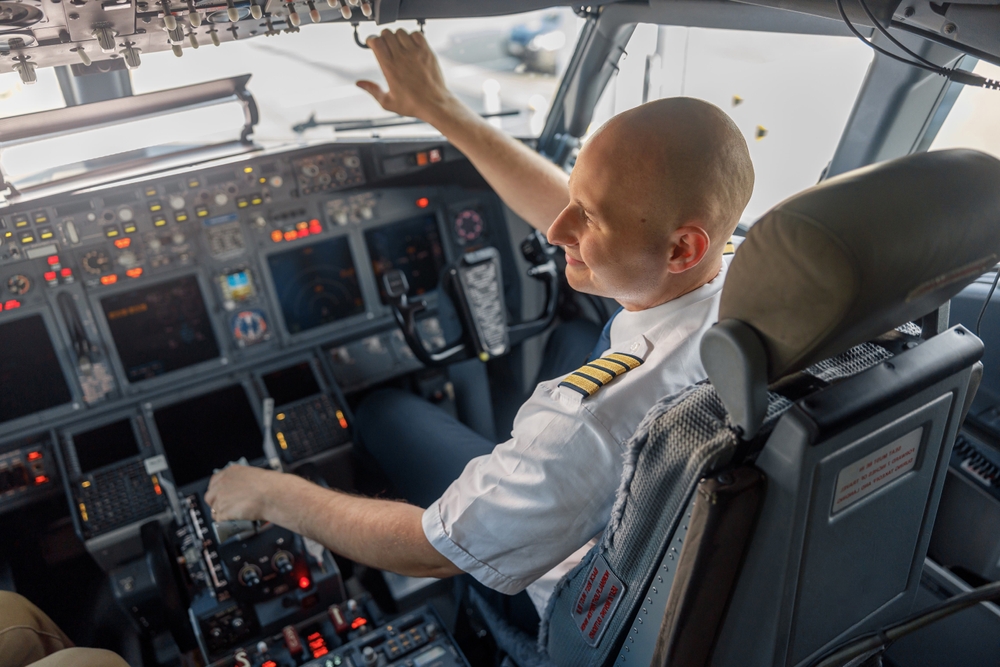
The survey found that 24% of pilots admitted to continuing to work despite feeling too fatigued to fly safely, rather than reporting themselves unfit for duty. Just 16.8% said they would call in sick when experiencing fatigue.
Meanwhile, around three-quarters of those surveyed said they had experienced microsleeps in the cockpit.
According to the US-based National Sleep Foundation, microsleeps occur when someone involuntarily falls asleep for a few seconds, sometimes without even realising it has happened.
Pilots can be particularly vulnerable to fatigue because of irregular shift patterns, changing working hours and jet lag, all of which can disrupt the body's natural sleep cycle.
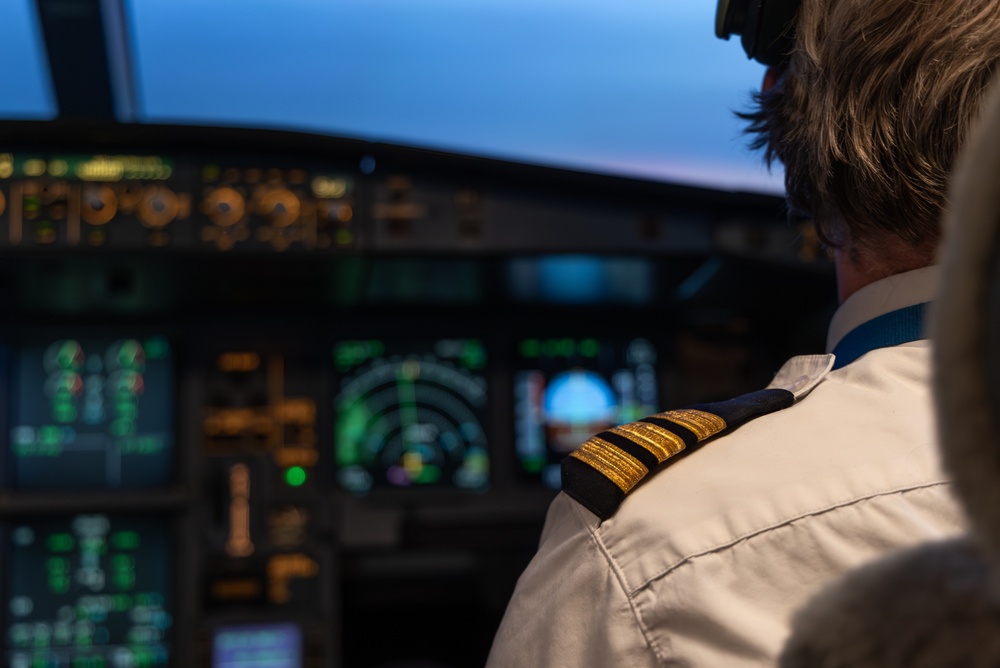
The consequences can be serious, as tiredness can impair a pilot's judgement, slow reaction times and reduce alertness. Fatigue can also affect their ability to respond quickly and appropriately to unexpected situations during a flight.
The findings have raised concerns about how fatigue is managed within the aviation industry, particularly if pilots feel unable to report that they are too tired to work safely.
The European Cockpit Association has highlighted the importance of addressing fatigue and ensuring pilots can report themselves unfit for duty without fear of punishment, helping to protect both flight crews and passengers.