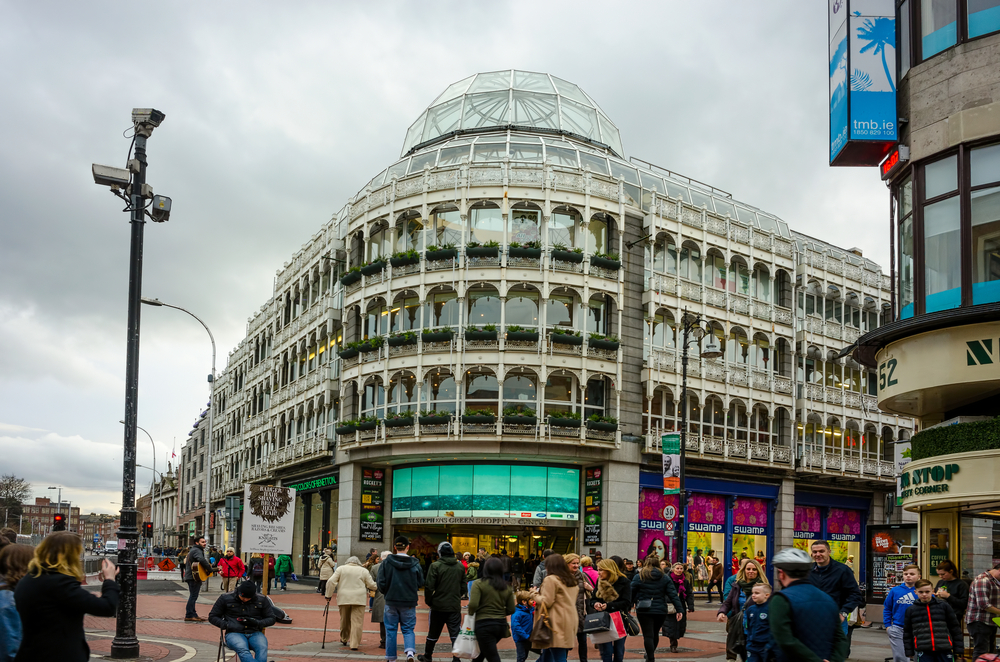

The planned €100 million redevelopment of St Stephen’s Green Shopping Centre has been thrown into uncertainty after a third-party appeal was lodged against the project, halting progress just days after it was granted approval.
An Athlone-based objector has formally appealed the decision by Dublin City Council to grant planning permission for the large-scale redevelopment to DTDL Ltd. The appeal has been submitted to An Coimisiún Pleanála, effectively pausing the project until a ruling is made.
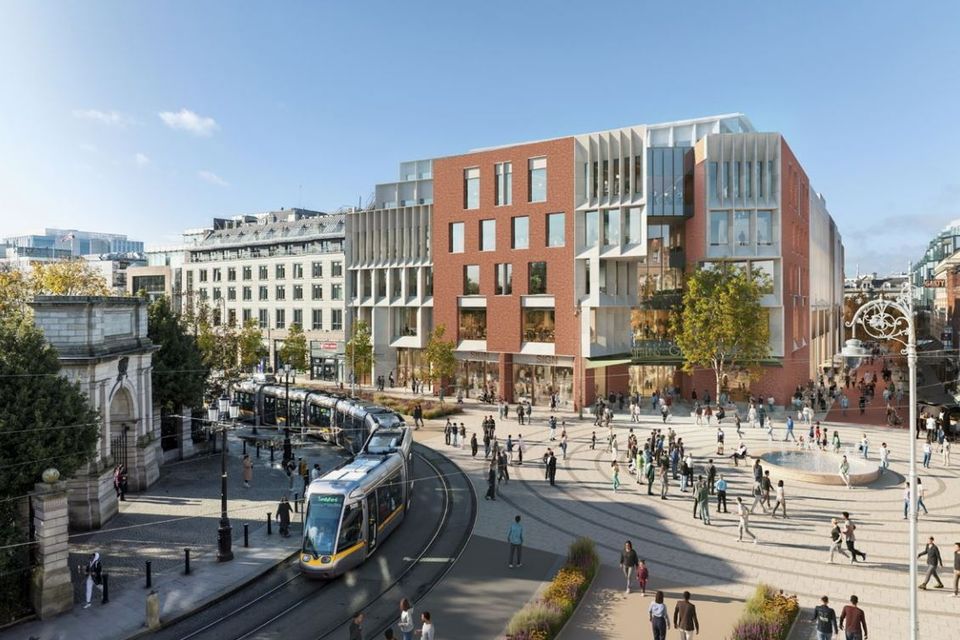
An artist's interpretation of the plans approved by Dublin City Council for St Stephen's Green Shopping Centre
The proposed scheme, which involves a partial demolition and significant upgrade of the well-known city centre shopping destination, has already proven highly contentious. More than 60 submissions were made during the planning stage, with the majority opposing the redevelopment.
This appeal is expected to be the first of several, with a deadline for further appeals set for May 18.
At the centre of the dispute is the scale and scope of the redevelopment.
Plans for the site include space to accommodate up to 3,000 office workers, alongside approximately 19,000 square metres of retail space, as part of a broader development with a gross floor area of around 87,158 square metres. Critics argue that this represents a significant intensification of the site, raising concerns about both the architectural impact and the changing character of the area.
In his submission, the Athlone-based objector made clear his opposition to the project, stating: “we don’t want our history erased”. He argued that the scale of the proposed development amounts to “excessive intensification of a constrained inner-city site”, suggesting that commercial considerations have been prioritised over thoughtful urban design.
A key concern raised in the appeal relates to the proposed height of the redevelopment, which could reach up to eight storeys.
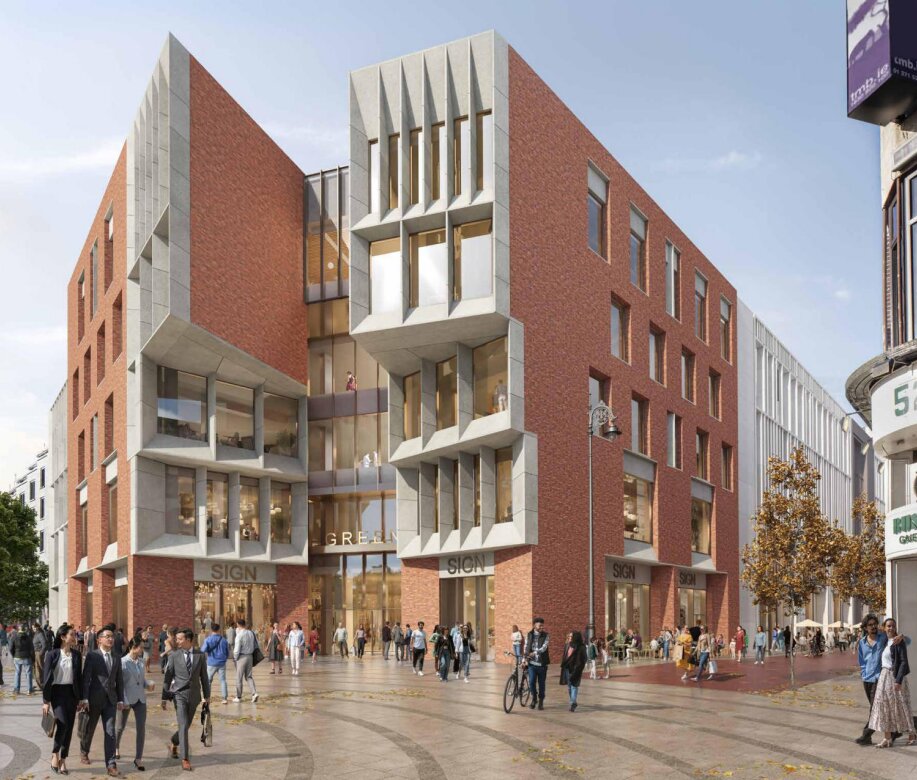
An artist's interpretation of the plans approved by Dublin City Council for St Stephen's Green Shopping Centre
He claims this would disrupt the established skyline of Dublin’s historic core, potentially overshadowing nearby protected structures and landmark buildings.
He further argued that the development would introduce an overly dominant visual presence, both in close proximity and in wider city views.
The location itself adds weight to the objections.
St Stephen’s Green is widely regarded as one of Dublin’s most significant public spaces, with substantial cultural, architectural and social importance. The objector contends that the redevelopment would negatively impact the visual character of the Green, stating it could “introduce an overly bulky and commercial frontage” and diminish the coherence of the surrounding streetscape.
Beyond aesthetics, the appeal also raises concerns about how the space will be used.
The inclusion of a large volume of office space has been criticised as creating an imbalance in the city centre. The man who filed this appeal argued that this represents an over-concentration of a single use, warning it could undermine the diversity and vitality of the area. He suggested that such a shift risks weakening the traditional mix of retail, cultural and civic functions that define Dublin’s core.
He also warned of a broader knock-on effect if the development is allowed to proceed, saying it could set a precedent for similar projects in the area. According to the appeal, this could lead to a gradual erosion of Dublin’s historic character, alongside increasing building heights and density over time.
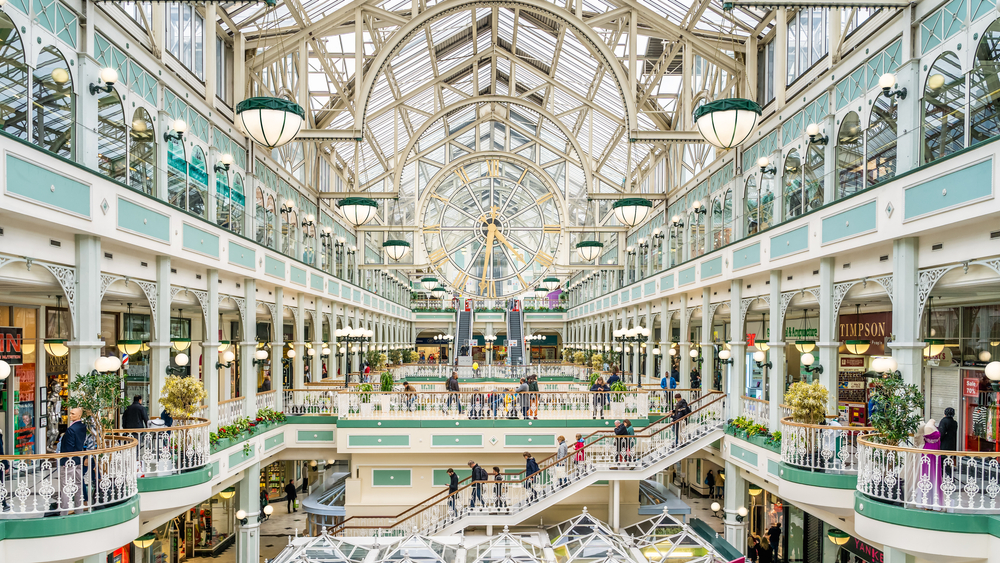
St Stephen's Green Shopping Centre
However, Dublin City Council had previously defended its decision to approve the project. In its planner’s report, the local authority concluded that the redevelopment would ultimately enhance the shopping centre and its surroundings. The report stated that “the deep retrofit of the St. Stephen’s Green Shopping Centre will result in an improved visitor and retailer experience associated with the centre”. It also found that, when considered as a whole, the development would align with the civic character of the area and would not detract from existing amenities.
The appeal now places the final decision in the hands of An Coimisiún Pleanála, which will assess the competing arguments before determining whether the redevelopment can proceed. Given the level of public interest and the likelihood of further appeals before the deadline, the process could take several months to resolve.
For now, the future of one of Dublin’s most recognisable shopping centres remains uncertain, with the outcome likely to have wider implications for development within the city’s historic core.