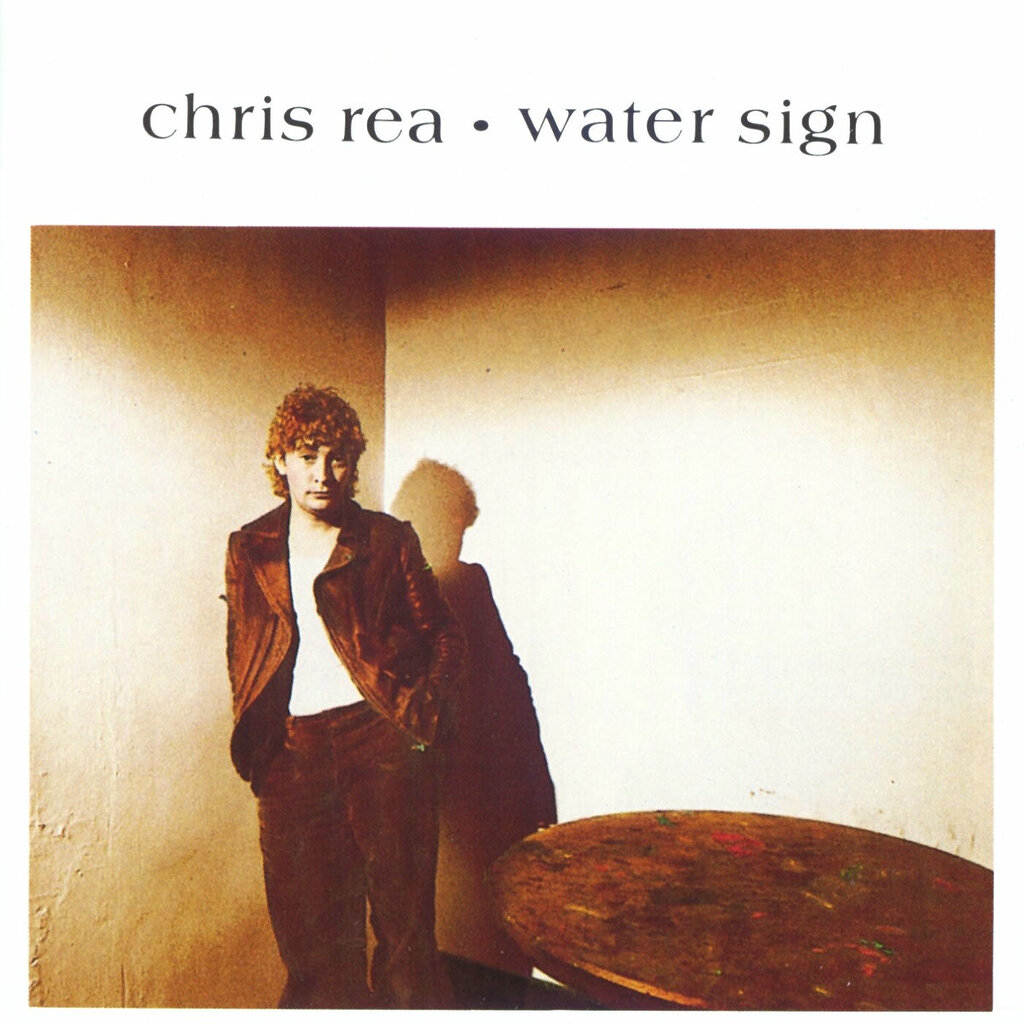
To mark Chris Rea’s passing, tonight on the Classic Album at Midnight, we’re featuring his breakthrough album in Ireland (and Europe)… Water Sign. Greg Gaughran will be playing it track by track, with no interruptions tonight on Radio Nova.
British singer-songwriter Chris Rea, best known for the festive classic Driving Home for Christmas, has died at the age of 74, his family has announced. Rea passed away peacefully in hospital on Monday 22 December 2025 following a short illness, with his wife and their two children by his side, a family spokesperson said.
Rea’s death comes just three days before Christmas, a poignant moment for fans of the seasonal favourite that has soundtracked countless festive journeys across the UK and Ireland.
Born Christopher Anton Rea on 4 March 1951 in Middlesbrough, England, to an Italian father and Irish mother, he became one of the most distinctive voices in rock and blues-influenced pop. His gravelly vocals and slide guitar playing won him a dedicated following and ensured his music remained part of the cultural landscape for decades.
Rea’s career spanned several decades and 25 studio albums, with hits including Driving Home for Christmas, The Road to Hell and On the Beach. He sold more than 30 million albums worldwide over his lifetime, blending blues, soul and rock into a style that was both accessible and deeply rooted in American roots music traditions.
Driving Home for Christmas was originally written in 1978 and released in 1986 as a B-side before being re-recorded for his 1988 compilation New Light Through Old Windows. Over the years it has become a perennial holiday favourite, re-entering the UK charts each festive season and securing its place as one of the most enduring Christmas songs of its era.
Rea himself described the song as a “car version of a carol”, inspired by an arduous winter journey home when his wife drove him from London to Middlesbrough in snowfall and heavy traffic, offering the basis for the song’s evocative lyrics about the anticipation and warmth of returning to loved ones.
The British artist taught himself to play guitar, developing a distinctive slide guitar style, but he did not pursue a career in music until his early 20s, when he joined the band Magdalene, which had been formed by future Deep Purple singer David Coverdale.
Last week, he gave an interview in which he revealed he was under a driving ban when he wrote the song. “It’s a frustrating song, but it’s also hopeful and comforting,” he explained.
“It’s funny, because I’d just been banned from driving when I wrote it. But I was feeling good at the time too, and people say they can hear that infectious feel-good mood when they hear it.”
Throughout his life, Rea faced significant health challenges, including serious illnesses and procedures, yet continued to write and perform music that resonated with audiences around the world. His influence extended well beyond the charts, earning him admiration from fellow musicians and fans alike.
Ireland is heartbroken as this Christmas icon passes away. For Irish people, the song isn’t just festive background noise — it’s a ritual. Every December, it becomes the unofficial soundtrack to long motorway drives, packed cars, heavy traffic leaving cities, and that familiar pull back to family homes across the country. Whether it’s someone driving from Dublin to Donegal, heading west for Christmas Eve, or making the late-night journey after work, the song mirrors a lived Irish experience almost line for line.
It’s played relentlessly on Irish radio, particularly in the week leading up to Christmas, and listeners expect it. If it didn’t come on, it would feel wrong. Many stations treat it as a cornerstone of their festive playlists, not just a seasonal add-on. For a lot of people, hearing the opening notes signals that Christmas has properly started.
Tributes from across the music world are expected in the coming days as fans reflect on a career that brought comfort and joy to millions.