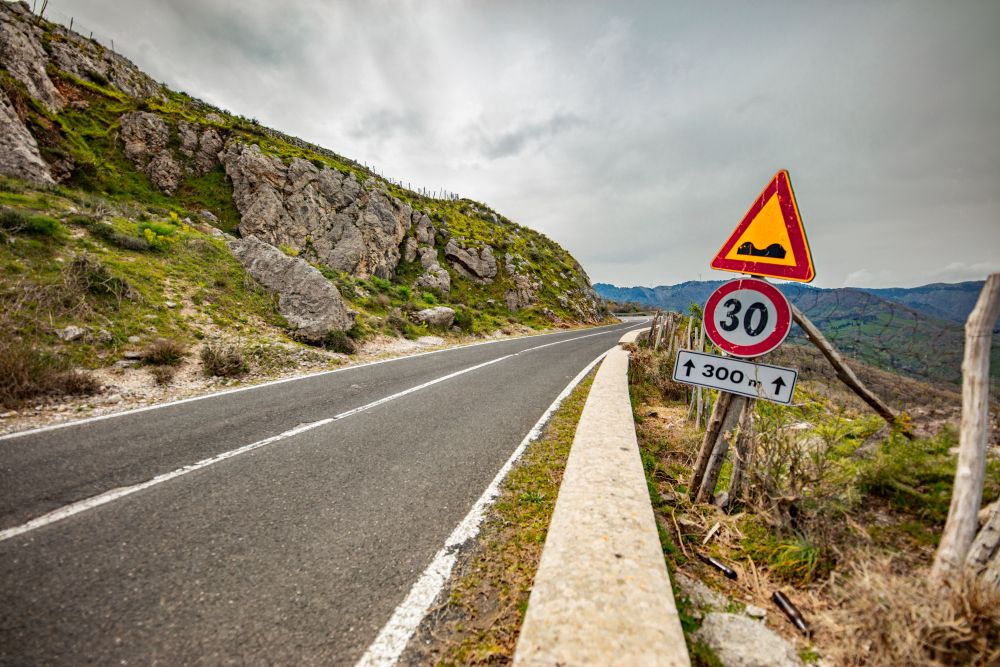

Over the past two decades, Dublin City Council has gradually introduced 30km/h zones across residential areas:
2007: The first reduction, lowering the speed limit from 50km/h to 30km/h in the city’s shopping and central business district.
2011: The zone was expanded from Bolton Street (north) to St Stephen’s Green (south), and from Church Street (west) to Gardiner Street and Dawson Street (east). Parts of Ballsbridge, Ringsend, and Marino were also included.
2018: The limit extended to 12 additional southside suburbs and 19 on the northside.
2020: The final phase brought 30km/h limits to all remaining residential suburbs, excluding main and arterial roads up to the council’s boundaries with other Dublin authorities.
City engineers later proposed extending the 30km/h limit to the remaining main and arterial roads, arguing that “the vast majority of arterial roads in Dublin are in fact residential also,” according to Brendan O’Brien, the council’s Head of Traffic (2021).
However, the process was paused while awaiting a national review of speed limit guidelines, which was expected to set a default urban limit of 30km/h.
Although the Road Traffic Act 2024 defined a default 30km/h limit in urban areas, the council confirmed that “this particular section has not been enacted by the Minister [for Transport] and will not be for the foreseeable future. Therefore, the default speed limit in an urban area stays as 50km/h.”
As a result, the Department of Transport instructed the council last month to proceed by introducing new bylaws for individual roads, rather than relying on a blanket national default.
Mr. O’Brien explained:
“The hope was we would have had a 30km/h default. When you drop from 50km/h to 30km/h, you still get some people who drive at 50km/h, but the average speed comes down. So we still think there was a lot of value in it.”
He added that such a default limit would have “removed the need for the plethora of 30km/h signage.”
Council engineers will now begin assessing roads currently limited to 50km/h, 60km/h, and 80km/h to determine their suitability for speed reductions. The initial phase will identify roads ready for immediate transition to 20km/h or 30km/h.
For other roads, engineering interventions will be required to ensure compliance. These could include new street layouts and traffic-calming measures designed to make streets “self-enforcing” and support lower speeds.
The council also plans to introduce “pedestrian priority roads” with proposed 20km/h limits. These limits will apply not only to service and delivery vehicles, but also to cyclists and e-scooter users.
Before implementation, the new bylaws will be drafted and opened for public consultation, allowing residents and stakeholders to provide feedback on the proposed changes.